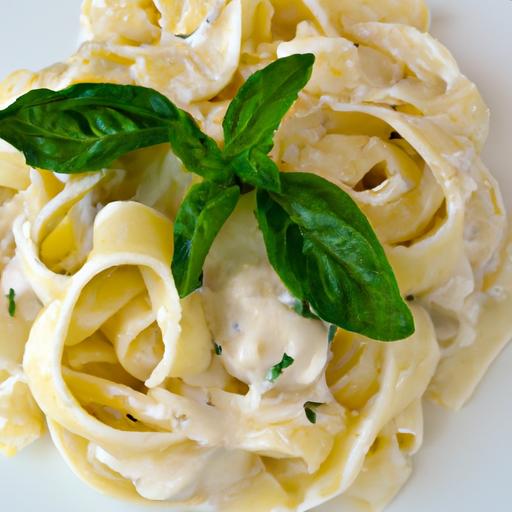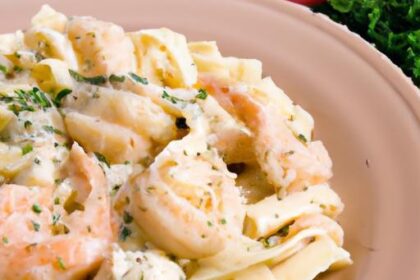


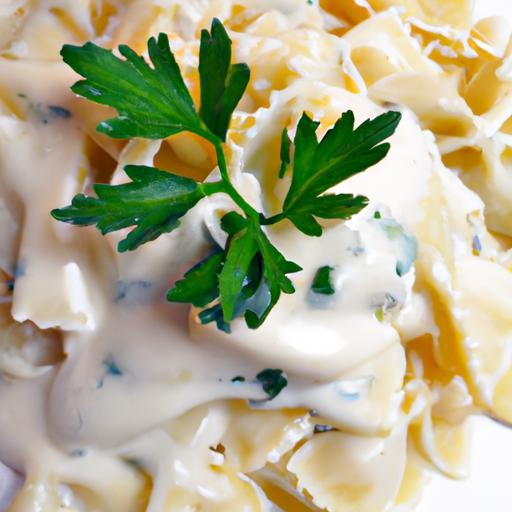
There’s a reason why Fettuccine Alfredo has long enchanted taste buds around the world-its luscious, velvety sauce clings lovingly to every strand of pasta, creating a sublime harmony of flavor and texture. More than just a dish, it’s a comforting embrace on a plate, where simplicity meets indulgence in the most delightful way. In this article, we’ll dive into the creamy heart of Fettuccine alfredo, exploring its rich history, the secrets behind its signature sauce, and tips for achieving that perfect twirl-worthy bowl of comfort. Whether you’re a seasoned pasta lover or a curious culinary explorer, prepare to discover why this classic Italian creation remains an enduring favorite in kitchens everywhere.
Fettuccine Alfredo has long been synonymous with creamy indulgence and comforting elegance. This dish,born in the heart of Rome,carries a delicious legacy of simplicity elevated through perfect technique. The original recipe, crafted by Alfredo di Lelio in the early 20th century, celebrated just three ingredients-fresh fettuccine, butter, and Parmigiano-Reggiano cheese-blended to create a luscious sauce that clings tenderly to every strand of pasta. Over the decades, Fettuccine Alfredo has evolved beyond its modest beginnings, inviting cooks worldwide to master its creamy sauce, balance its texture, and achieve an authentic taste using carefully chosen ingredients. This journey connects kitchen traditions with modern palates, turning a humble pasta into a luxurious culinary experience.
Prep and Cook Time
- Readiness: 10 minutes
- Cooking: 15 minutes
- Total Time: 25 minutes
Yield
Makes 4 generous servings
Difficulty Level
Easy – approachable for cooks of all levels, with tips to ensure perfection.
Ingredients
- 12 oz fresh fettuccine pasta (or high-quality dried fettuccine)
- 1 cup unsalted butter (2 sticks), cut into cubes and chilled
- 1 ½ cups freshly grated Parmigiano-reggiano cheese
- 1 cup reserved pasta cooking water, hot
- Salt to taste
- Freshly ground black pepper, to finish
- Optional: a pinch of freshly grated nutmeg for subtle warmth
Instructions
- Cook the pasta: Bring a large pot of salted water to a rolling boil. Add the fresh fettuccine and cook until al dente, about 3-4 minutes for fresh and 8-10 minutes for dried. stir occasionally to avoid sticking.
- Reserve pasta water: Before draining, scoop out 1 cup of the starchy pasta water. Set aside and drain the pasta immediately.
- Prepare the sauce base: In a large warm skillet or sauté pan, gently melt the chilled butter over low heat, ensuring it softens without browning.
- Toss pasta and butter: Add the drained pasta to the pan with butter.Toss continuously so every strand is luxuriously coated.
- Develop creamy texture: Slowly add hot reserved pasta water, a little at a time, stirring vigorously. The starch in the water emulsifies with butter, creating a silky sauce that clings beautifully.
- Add cheese: Gradually sprinkle in parmigiano-Reggiano while tossing or stirring the pasta. This method ensures cheese melts evenly without clumping.
- Season: Taste and season with salt as needed and finish with a few turns of freshly ground black pepper. If using, add a tiny pinch of nutmeg to deepen flavor.
- Serve immediately: Plate the pasta in warm shallow bowls for best presentation and texture retention.
Tips for Success
- Use real Parmigiano-Reggiano: Avoid pre-grated blends; the true cheese melts better and adds nutty, complex notes.
- Butter temperature matters: Keep the butter chilled then melt gently to prevent greasiness and maintain a creamy consistency.
- don’t skip the pasta water: Its starch is essential for emulsifying the sauce, preventing separation or dryness.
- Work quickly: Fettuccine Alfredo is best enjoyed right after preparation; the sauce thickens and loses silkiness as it cools.
- Variations: For a dairy-free twist, try substituting the butter with plant-based alternatives and use nutritional yeast instead of cheese-though traditionalists might prefer the classic.
Serving Suggestions
Elevate your dish with a sprinkle of finely chopped fresh parsley or chives for a burst of color and freshness. A light dusting of extra Parmigiano-Reggiano on top adds visual appeal and amplifies cheesy richness. Serve alongside a crisp green salad dressed with lemon vinaigrette or roasted seasonal vegetables for balance. For added elegance, pair your creamy pasta with a glass of chilled sparkling water or a refined non-alcoholic aperitif.
| Nutrient | Per Serving |
|---|---|
| Calories | 560 kcal |
| Protein | 17 g |
| Carbohydrates | 62 g |
| Fat | 26 g |

Discover more Italian classics and pasta recipes in our Ultimate Guide to Italian Pasta. For captivating culinary history and customary Italian cooking methods, visit Britannica’s Alfredo Sauce Overview.
Q&A
Q&A: Fettuccine Alfredo – creamy Comfort in Every Twirl
Q1: What is Fettuccine Alfredo, and where did it originate?
A: Fettuccine Alfredo is a luscious Italian pasta dish known for its rich, creamy sauce that lovingly coats ribbons of fettuccine. It originated in Rome,crafted in the early 20th century by Alfredo di Lelio,who created it as a simple,comforting meal for his wife. Since then, it has become a beloved comfort food worldwide.
Q2: What makes the sauce in Fettuccine Alfredo so creamy and indulgent?
A: The magic lies in the marriage of butter, heavy cream, and freshly grated Parmesan cheese. When combined and gently heated, these ingredients form a silky, velvety sauce that clings perfectly to the pasta. The cheese adds a savory depth, while the butter and cream give it that luxurious mouthfeel.
Q3: Can Fettuccine Alfredo be customized for different tastes or diets?
A: Absolutely! While the classic sauce is wonderfully simple, variations can include adding sautéed mushrooms, vibrant herbs like parsley or basil, or a sprinkle of cracked black pepper for a hint of warmth. For those seeking a lighter twist, substituting the cream with a mixture of milk and a hint of flour can still create a satisfying sauce, though it will be less decadent.
Q4: What type of Parmesan cheese works best for this dish?
A: For an authentic flavor and perfect melt, opt for aged Parmigiano-Reggiano. Its nutty,slightly tangy profile enriches the sauce beautifully. Freshly grated cheese is crucial, as pre-grated varieties often contain anti-caking agents that prevent smooth melting and alter the texture.
Q5: How significant is the pasta choice in making Fettuccine Alfredo?
A: Fettuccine, with its flat, wide strands, is ideal as it captures the sauce in every fold and twirl. Though, if fettuccine isn’t available, other flat pastas like tagliatelle or pappardelle can also work beautifully, maintaining that comforting coating of creamy goodness.
Q6: What are some tips for achieving the perfect Alfredo sauce texture?
A: Patience is key. Heat the butter and cream gently to avoid scorching,then gradually add cheese off the heat to prevent clumping. Toss the pasta promptly into the sauce so every strand is kissed by creaminess. If the sauce becomes too thick, a splash of pasta cooking water helps loosen it while enhancing flavor.
Q7: Can Fettuccine Alfredo be a vegetarian dish?
A: Definitely! The classic recipe is naturally vegetarian, relying on dairy for richness instead of meat or meat-based broths. It’s a perfect option for those who enjoy indulgent comfort food without compromising vegetarian preferences.
Q8: How can Fettuccine Alfredo be served to elevate a family dinner?
A: Pair it with fresh green vegetables, like steamed broccoli or sautéed spinach, for color and texture contrast. A crisp garden salad dressed with lemon and olive oil adds brightness. Serve warm, with extra Parmesan on the side, encouraging everyone to twirl their own creamy masterpiece.
Q9: what makes Fettuccine Alfredo a timeless comfort food?
A: It combines simplicity and richness in every bite – the warm, buttery sauce entwined with tender pasta creates a soothing experience. It’s a dish that feels like a hug on a plate, evoking a sense of home and indulgent satisfaction no matter the season.
Q10: Is Fettuccine Alfredo suitable for making ahead or storing?
A: Alfredo sauce is best enjoyed fresh, as the creaminess can separate when reheated. If you need to prepare in advance, keep the pasta and sauce separate and gently warm and combine just before serving to preserve that signature silky texture.
Future Outlook
Whether twirled on a fork at a bustling Italian trattoria or savored in the quiet comfort of your own kitchen, Fettuccine Alfredo remains an enduring symbol of creamy indulgence and simple elegance. This classic dish, with its rich buttery sauce and silky strands of pasta, invites us to slow down and relish the comforting embrace of flavor and tradition.So next time you crave a meal that feels like a warm hug on a plate, remember that every twirl of Fettuccine Alfredo carries not only taste but a timeless story of culinary delight.