




There’s a quiet magic behind every perfect sushi bite, and it all begins with one humble yet essential element: the rice. Mastering the art of perfectly fluffy sushi rice is more than just following a recipe-it’s a delicate dance of precision, technique, and a deep thankfulness for tradition. Weather you’re a seasoned home cook or a curious beginner, unlocking the secrets to that ideal balance of texture and flavor transforms your sushi from good to unforgettable. Join us as we delve into the steps, tips, and time-honored methods to help you achieve flawlessly fluffy sushi rice every single time, turning your kitchen into a sushi sanctuary.
Choosing the Ideal Rice variety for Ultimate Fluffiness
Mastering the art of perfectly fluffy sushi rice every time begins with selecting the right rice. Authentic Japanese short-grain rice, often labeled as sushi rice or japonica rice, boasts the ideal starch content and moisture level to achieve that iconic tender yet slightly sticky texture. Unlike long-grain varieties, which remain separate when cooked, this rice clings together beautifully, making it perfect for shaping sushi.
Look for premium-quality, polished sushi rice with grains that are plump and slightly translucent. This ensures minimal breakage during washing and cooking, leading to an even, glossy finish. Brands like Koshihikari or Calrose are widely recommended by sushi chefs worldwide for their reliability and authentic taste experience.
Mastering the Washing and Soaking Process to Enhance Texture
The secret to ultimate fluffiness lies in the meticulous washing and soaking process. Rinse your rice gently under cold water, swirling with your fingers until the water runs clear. This removes excess surface starch, preventing overly gummy or sticky clumps.
After washing, allow the rice to soak for 30-45 minutes.This step lets the grains absorb water evenly, reducing cooking time and improving texture. Soaking transforms raw rice grains into tender jewels,ready to release their natural sweetness when steamed.
Precision Cooking Techniques for Consistently Perfect Rice
Precision is key to mastering the art of perfectly fluffy sushi rice every time. Use a heavy-bottomed pot or a dedicated rice cooker for optimal heat distribution. The standard water-to-rice ratio is usually 1:1.1 by volume but may vary slightly with the rice brand – always check packaging directions as a guideline.
Bring the soaked rice and water to a gentle boil over medium heat, then reduce to the lowest simmer and cover tightly. Let it steam undisturbed for 12-15 minutes. Avoid lifting the lid early, as trapped steam is vital for balanced cooking. Once complete, allow the rice to rest off heat for 10 minutes before fluffing with a wooden paddle using cutting and folding motions to preserve the grains’ shape.
Secrets to Seasoning and Cooling for Authentic Sushi Rice Flavor
The finishing touch that elevates rice to authentic sushi perfection is the seasoning and cooling step. Traditionally, a blend of rice vinegar, fine sugar, and sea salt is gently folded into the hot rice while it cools.This not only imparts the signature sweet-tangy umami but also creates that moist, glossy appearance beloved by sushi artisans.
Transfer the steamed rice to a wooden hangiri bowl, if available, to absorb excess moisture and speed up cooling. use a fan to cool the rice simultaneously as you fold – this both enhances shine and locks in the ideal texture. Cooling with care preserves the delicate balance of softness and firmness that defines premium sushi rice.
Prep and Cook Time
- Readiness: 15 minutes (including washing and soaking)
- Cooking: 25 minutes
- Cooling & Seasoning: 15 minutes
- total Time: 55 minutes
Yield
Approximately 4 cups of seasoned sushi rice, enough for 6 servings of sushi rolls or nigiri.
Difficulty Level
Medium – Requires attention to detail but accessible for eager home cooks.
Ingredients
- 2 cups sushi rice (short-grain Japanese rice)
- 2 1/2 cups cold water (for cooking)
- 1/4 cup rice vinegar
- 3 tablespoons granulated sugar
- 1 teaspoon fine sea salt
instructions
- Rinse the sushi rice in a large bowl under cold running water, swirling gently with your hand. Drain and repeat 3-4 times until the water is clear.This removes excess starch that causes cloudiness and gumminess.
- Soak the rinsed rice in fresh cold water for 30-45 minutes to hydrate evenly and soften the grains.
- Drain the soaked rice thoroughly,then transfer it to a heavy-bottomed pot or rice cooker. Add 2 1/2 cups cold water for cooking.
- Cook over medium heat until water begins to boil, then immediately reduce to the lowest simmer and cover tightly. Steam for 12-15 minutes without lifting the lid.
- Turn off the heat and let the rice rest still covered for 10 minutes to finish steaming.
- While rice cooks, combine rice vinegar, sugar, and sea salt in a small saucepan over low heat. Stir gently until sugar and salt dissolve and set aside to cool slightly.
- Transfer cooked rice to a wooden Hangiri or large wide bowl. Pour the vinegar mixture evenly over the rice.
- Using a wooden paddle or spatula, fold and cut the rice gently to incorporate the seasoning without mashing the grains. Fan the rice simultaneously to cool it quickly, enhancing shine and texture.
- Cover the seasoned sushi rice with a damp cloth to prevent drying while you prepare your sushi dishes.
Chef’s Notes
- use a wooden paddle and Hangiri bowl for an authentic experience-wood absorbs moisture helping maintain the rice’s ideal consistency.
- If Hangiri isn’t available, a large, wide non-metal bowl works-avoid metal as it reacts with vinegar.
- Adjust sugar and salt to taste; some prefer a slightly sweeter or more tangy balance.
- Don’t skip the resting period after cooking-this step completes steaming, ensuring fluffy grains.
- Make ahead tip: Prepare the sushi rice up to 2 hours before serving and keep covered with a damp cloth at room temperature.
Serving Suggestions
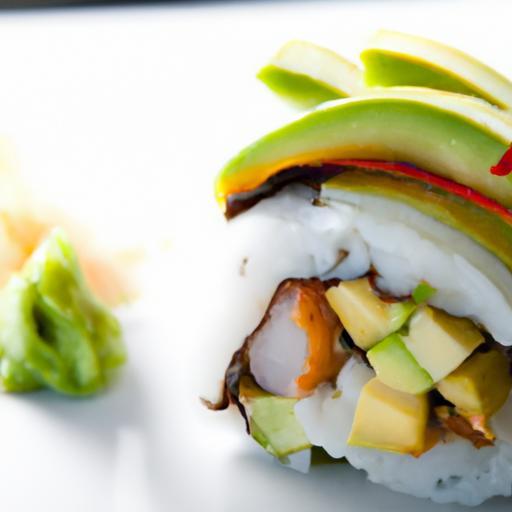
Present your perfectly fluffy sushi rice as the star base for vibrant nigiri topped with fresh fish or vegetables. Roll it into maki accompanied by crisp cucumber, creamy avocado, and savory nori sheets. Garnish with delicate sesame seeds,thinly sliced scallions,or a sprinkle of toasted seaweed flakes to add texture,contrast,and visual appeal.
Pair with a side of freshly grated wasabi and pickled ginger to awaken the palate for an authentic and satisfying sushi experience.

| Nutrient | Per Serving (1/6 of recipe) |
|---|---|
| Calories | 200 kcal |
| Protein | 4 g |
| Carbohydrates | 45 g |
| Fat | 0.2 g |
For a extensive guide on pairing sushi rice with different fish types and vegetarian alternatives, check our Guide to Sushi Pairings. For an in-depth understanding of rice varieties, visit the authoritative Japanese Cooking 101 Sushi Rice Guide.
Q&A
Q&A: Mastering the Art of Perfectly Fluffy Sushi Rice Every Time
Q1: Why is sushi rice different from regular rice?
A1: Sushi rice isn’t just any rice-it’s a special short-grain or medium-grain variety that becomes sticky when cooked,giving sushi its signature texture.Unlike long-grain rice that remains fluffy and separate, sushi rice clumps slightly, making it easier to shape and enjoy in rolls or nigiri.
Q2: what’s the secret to achieving perfectly fluffy sushi rice?
A2: The magic lies in a precise balance of washing, soaking, cooking, and seasoning. Rinsing the rice until the water runs clear washes away excess starch. Soaking helps it absorb moisture evenly. Cooking with the correct water-to-rice ratio and letting it rest afterward ensures each grain is tender yet distinct. gently folding in seasoned rice vinegar adds flavor and that iconic glossy finish.
Q3: How many times should I rinse the rice, and why?
A3: Rinse the rice about 3-5 times or until the water is nearly clear. This removes surface starch that can make the rice gummy or overly sticky. The goal is to reveal the clean, starchy core that cooks up perfectly soft and cohesive without turning into a gluey mess.
Q4: Can I skip soaking the rice before cooking?
A4: skipping soaking is like skipping rehearsal before a big performance-it might still work, but the result will suffer. Soaking for 20-30 minutes allows the rice grains to absorb water evenly, which helps them cook uniformly and achieve that tender, fluffy texture critical to sushi rice.
Q5: What water-to-rice ratio should I use for sushi rice?
A5: The classic ratio is roughly 1:1.1 to 1:1.2 (rice to water by volume), but it can vary depending on your rice variety and cooking method. To much water yields mushy rice; too little leaves it dry and hard. Experimenting a bit will help you find your perfect balance.
Q6: How should I season sushi rice?
A6: Sushi rice is traditionally seasoned with a mixture of rice vinegar, sugar, and a pinch of salt. Heating these ingredients until sugar dissolves creates a sweet-and-sour glaze that defines sushi rice’s flavor profile. The rice should be gently folded with this seasoning while still warm, avoiding crushing the grains.
Q7: What’s the best way to cool sushi rice without losing fluffiness?
A7: Spread the seasoned rice evenly in a wooden or non-reactive bowl and fan it while gently folding. this cools the rice quickly to body temperature, halts further cooking, and helps evaporate excess moisture, locking in fluffy texture.
Q8: How do I prevent sushi rice from sticking to my hands or tools?
A8: Lightly wet or vinegared your hands and utensils before handling the rice. This moisture creates a protective barrier, preventing sticking while allowing you to mold sushi shapes precisely.
Q9: Can I prepare sushi rice in advance?
A9: Sushi rice is best enjoyed fresh, ideally within a few hours of preparation. Storing it in the fridge can dry out or harden the grains, compromising the fluffy texture. If you must make it ahead, cover it with a damp cloth and keep it at room temperature.
Q10: Are there any common mistakes to avoid when making sushi rice?
A10: Yes! Over-rinsing can strip too much starch, resulting in rice that falls apart. Under-soaking causes uneven cooking, leading to crunchy centers.adding seasoning while the rice is too hot can make it soggy, and vigorous stirring can mash the grains. Patience and gentle handling are your allies.
by mastering these steps and embracing the artistry behind each grain,you’ll create sushi rice that’s decadently fluffy,perfectly seasoned,and ready to elevate every bite. Happy rolling!
In Conclusion
With each grain glistening just right and every bite tender yet resilient, mastering the art of perfectly fluffy sushi rice transforms your homemade rolls into sublime experiences. It’s a delicate balance of patience, precision, and passion-an alchemy that turns simple ingredients into a canvas for creativity. So next time you embark on your sushi-making journey,remember: the secret lies not only in the freshest fish or the sharpest knife but in those lovingly crafted grains beneath it all. Perfectly fluffy sushi rice isn’t just a foundation; it’s the heart of every unforgettable bite. Happy rolling!