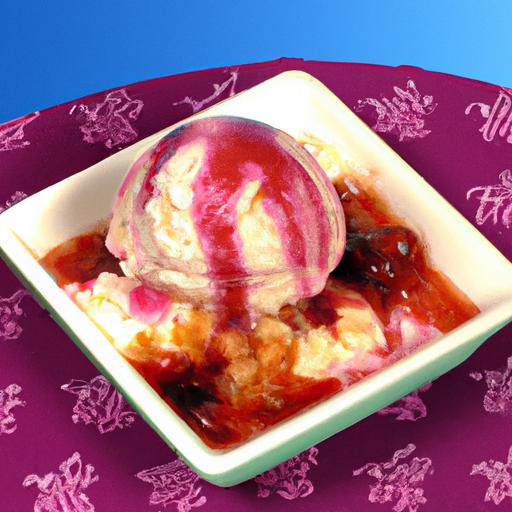


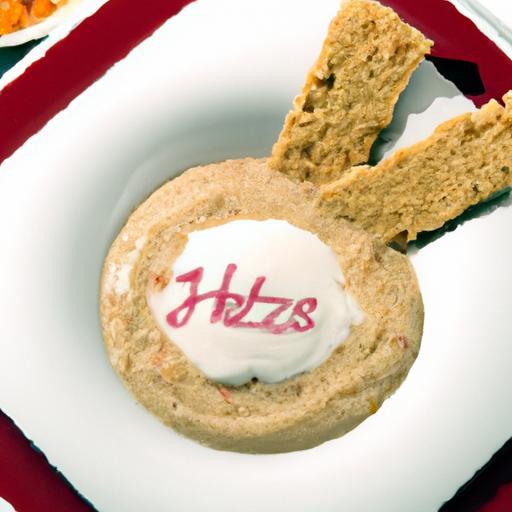
There’s a frozen treat that dances on the tongue and defies all expectations-a marvel that’s as much about texture and tradition as it is indeed about flavor. Welcome to the world of Dondurma, Turkey’s chewy ice cream wonder that beckons curious taste buds from bustling street corners to vibrant bazaars. Unlike the creamy, melt-in-your-mouth scoops familiar worldwide, Dondurma captivates with its elastic stretch and resistance to melting, offering an experience that’s part dessert, part performance art. join us as we unravel the rich history,unique ingredients,and playful serving rituals that make Dondurma not just an ice cream,but a cultural delight that has enchanted generations and continues to charm adventurers across the globe.
Origins and Ingredients Behind the Unique Texture of Dondurma
Dondurma Delight is much more than just another frozen treat-it’s a sensory journey into the heart of Turkish culinary tradition.Originating in the mountainous regions of Turkey, notably in Maraş, this ice cream stands out for its incredibly chewy, stretchable texture that captivates ice cream lovers worldwide. The secret lies in two humble yet powerful ingredients: salep, a flour made from wild orchid tubers, and mastic resin, a natural gum harvested from the mastic tree. together, thay transform simple milk and sugar into a playful, elastic delight cherished for centuries.
The magic of salep is its ability to thicken and stabilize the mixture without freezing into a brittle form, while mastic contributes an aromatic pine-like flavor and adds to the unique chewy texture. This combination differentiates dondurma delight from any other ice cream,making each lick and chew a memorable experience.
Customary Techniques That Give Dondurma Its Chewy Magic
Making dondurma delight is a delicate dance of art and technique. Traditionally,vendors use long-handled paddles to vigorously churn and knead the ice cream over a frozen metal plate. This action develops the signature elastic texture and prevents it from crystallizing-creating that satisfyingly chewy bite. The rhythmic pounding and stretching not only enhance the mouthfeel but also aerate the mixture, giving it body without compromising creaminess.
These skilled artisans frequently enough perform theatrical serving rituals, teasing customers by stretching and twisting the dondurma, showcasing its pliability with practiced flair. The process requires patience and precision, as the ice cream must slumber briefly before each fold, allowing that unique texture to form perfectly. This hands-on method connects maker and consumer, elevating the simple joy of ice cream into a cultural performance.
Must-Visit Destinations to Experience Authentic Turkish Ice Cream
To truly savor dondurma delight, nothing beats tasting it in its homeland. Maraş, a city in southeastern Turkey, is the birthplace and most famous producer of this chewy wonder. Visiting local markets or traditional ice cream shops here immerses you in the authentic flavors and the lively customs surrounding it.
Istanbul also boasts numerous renowned establishments where vendors proudly continue the dondurma tradition. The bustling atmosphere of Taksim Square or the historic Grand Bazaar provides the perfect backdrop for enjoying this elastic treat, often served atop freshly baked cones or paired with warm Turkish delights.
For those planning a culinary adventure, exploring these vibrant cities offers not only the best dondurma delight but also insights into turkish culture, hospitality, and the interesting history behind each scoop.
Tips for Enjoying and Serving Dondurma Like a Local
Serving dondurma delight is an art form in itself, and locals have perfected the ways to enjoy this chewy ice cream fully. Firstly, embrace the texture-do not rush; savor the elasticity with slow, purposeful licks and gentle pulls. The unique chewiness is the star, making a simple ice cream experience unforgettable.
Traditionally, dondurma is served stretched onto hand-rolled cones, grilled lightly for warmth, or alongside a dusting of crushed pistachios or shredded coconut for added texture and flavor contrast. Drizzle with honey or sprinkle a pinch of cinnamon for a delightful finishing touch. If you want a more exotic twist,try pairing it with fresh seasonal fruits such as pomegranate seeds or figs to balance the creamy richness with refreshing bursts.
When hosting, consider presenting dondurma delight on a chilled plate to prevent melting, and offer wooden or metal spoons to allow your guests to really experience the chew-forks might not do justice here! This sensory approach invites deeper appreciation and highlights the heritage behind every bite.
Prep and Cook Time
- Preparation: 20 minutes
- Cook Time: 40 minutes (plus chilling and kneading)
- Total Time: Approximately 1 hour, 10 minutes
Yield
Serves 6 generous scoops
Difficulty Level
Medium – requires attentive stirring and timing, but rewarding for adventurous cooks
Ingredients
- 4 cups whole milk (preferably full-fat for richness)
- 1 cup heavy cream (for creamy softness)
- 1 cup granulated sugar
- 2 tablespoons salep powder (wild orchid root flour)*
- 1 teaspoon mastic resin crystals (ground finely)
- 1 teaspoon pure vanilla extract
- Optional garnish: crushed pistachios, shredded coconut, honey drizzle
Instructions
- Grind the mastic resin: Place the mastic crystals in a mortar and pestle and grind until you have a fine powder. This ensures smooth texture without lumps.
- Combine dry ingredients: In a small bowl, mix the salep powder with half of the sugar (½ cup) to prevent clumps during cooking.
- Heat the milk and cream: In a heavy-bottomed saucepan over medium heat, warm the whole milk, heavy cream, and remaining sugar (½ cup) until the sugar dissolves and the mixture is hot but not boiling, about 5-7 minutes.
- Incorporate salep and mastic: Slowly whisk the salep-sugar mixture into the warm milk, then add the ground mastic and vanilla extract. Continue stirring continuously to prevent sticking or lumps.
- Cook and thicken: Reduce heat to low and gently simmer, stirring constantly with a wooden spoon or silicone spatula. The mixture will gradually thicken to a stretchy custard-like consistency, usually taking around 30-40 minutes. Tip: Patience is key; do not rush this step or the texture will not develop.
- Cool and knead: Remove from heat and allow the mixture to cool until just warm. Transfer to a freezer-safe container and place in the freezer. Every 30 minutes, remove and beat or knead vigorously by hand or with paddles to develop chewiness. Repeat this process 3-4 times until the desired elasticity forms.
- Serve: For authentic experience, scoop with wet hands or use a metal spatula to stretch and serve instantly, garnished as desired.
Chef’s Notes
- Salep substitution: As authentic salep can be tough to source,a small amount (up to 1 tsp) of arrowroot powder or cornstarch might potentially be used as a thickener,but expect a less chewy texture.
- grinding mastic: Mastic can stick and clump.Freeze the crystals first for easier grinding.
- Kneading technique: Use metal spatulas or wooden paddles when beating the ice cream to imitate traditional methods.
- Make ahead: Prepare the base up to 2 days in advance and store covered in the refrigerator, then proceed with freezing and kneading.
- Vegan variation: Substitute dairy with coconut milk and coconut cream; texture will differ but will remain flavorful.
Serving Suggestions
Present your dondurma delight on chilled ceramic plates or in wide, shallow bowls to showcase the stretch and texture. Serve with hand-rolled cones or traditional tulip-shaped waffle cones for a nostalgic touch. Garnish with a sprinkle of crushed pistachios, a drizzle of honey, and perhaps a dusting of ground cinnamon or toasted coconut flakes for contrast.
Accompany with fresh seasonal fruits like pomegranate seeds or figs, which add vibrant color and tanginess against the creamy chewiness. For an interactive experience, allow guests to try stretching small bites between their fingers-an irresistible way to appreciate this Turkish treasure.

| Nutrient | Per Serving (Approx.) |
|---|---|
| Calories | 220 kcal |
| Protein | 5 g |
| Carbohydrates | 28 g |
| Fat | 9 g |
Explore more about Turkish desserts and their cultural significance. For detailed info on the traditional ingredient salep, visit this Encyclopaedia Britannica page.
Q&A
Q&A: dondurma Delight – exploring Turkey’s Chewy Ice Cream Wonder
Q1: What makes Dondurma different from regular ice cream?
A1: Unlike the creamy, smooth texture of typical ice cream, Dondurma boasts a uniquely chewy and stretchy consistency. This texture comes from two special ingredients: salep, a flour made from wild orchid tubers, and mastic, a natural resin. Together, they create an elastic treat that pulls and stretches, making Dondurma both a visual and sensory delight.
Q2: Where did Dondurma originate, and how has it become a part of Turkish culture?
A2: Dondurma has its roots in the mountainous regions of Turkey, particularly in the eastern provinces like Kahramanmaraş. Over centuries, it evolved from a local specialty to a beloved national treasure. Street vendors and ice cream sellers transformed the tasting experience into a playful art form, captivating locals and tourists alike with their spinning, twirling serving techniques.
Q3: Why do Dondurma vendors perform tricks while serving?
A3: The vendors’ antics-flipping cones, twirling the ice cream on long paddles, and teasing customers-are more than just entertainment. These tricks showcase the ice cream’s stretchy texture and elasticity, inviting customers into a lively interaction that turns buying ice cream into a joyful performance.
Q4: What natural ingredients give Dondurma its signature chewiness?
A4: The key ingredient is salep, derived from the tubers of wild orchids, which acts as a thickening and stabilizing agent. Paired with mastic resin, which adds a subtle pine-like aroma and chewiness, these ingredients combine to produce the elastic texture that defines Dondurma. They also allow the ice cream to resist melting quickly, making it perfect for hot Turkish summers.
Q5: How does the flavor profile of Dondurma compare to other ice creams?
A5: Dondurma frequently enough has a richer, creamier flavor with hints of vanilla and the distinct, floral undertones contributed by salep. The addition of mastic introduces a mild resinous note,lending a complex yet delicate nuance that sets it apart from more straightforward ice cream flavors.
Q6: Can Dondurma be enjoyed in other ways besides the classic cone?
A6: absolutely! Beyond the iconic cone, Dondurma is sometimes served in cups with traditional toppings like crushed pistachios, rose petals, or drizzles of local honey. In some regions,it accompanies desserts like baklava,adding a refreshing,chewy dimension to the sweet symphony.
Q7: Is salep sustainable and widely available outside Turkey?
A7: Salep is harvested from wild orchids, which grow slowly and are vulnerable to overharvesting. As a result, true salep can be rare and expensive outside Turkey. While some international producers use substitutes, authentic Dondurma relies on genuine salep, making it a cherished specialty and encouraging sustainable harvesting efforts.
Q8: How does Dondurma reflect turkish hospitality and artistry?
A8: Serving Dondurma is more than offering a dessert-it’s an invitation to experience Turkish warmth and creativity. The playful serving rituals embody the spirit of hospitality, turning a simple treat into a memorable cultural moment. It’s a sweet symbol of community, tradition, and joyful craftsmanship.
Q9: Can you make a homemade version of Dondurma?
A9: While recreating the exact chewy texture at home is challenging due to the specialty ingredients like authentic salep and mastic, adventurous cooks can experiment with substitutes and achieve a somewhat similar stretchy ice cream. However, sampling it from a traditional Turkish vendor remains the best way to truly savor its magic.
Q10: Where should travelers go in Turkey to taste the best Dondurma?
A10: For an authentic experience, head to Kahramanmaraş, often called the home of Dondurma, where stalls serve the original recipe. Istanbul’s bustling streets and seaside promenades also offer vibrant Dondurma vendors who add their own local flair. Wherever you go, be ready for a deliciously chewy adventure that’s as entertaining as it is tasty!
Concluding Remarks
As the final drip melts away, what lingers is more than just a fleeting sweetness-it’s a taste of tradition, culture, and craftsmanship unique to Turkey’s dondurma. This chewy ice cream wonder isn’t merely a frozen treat; it’s a tactile experience that captures the heart of Turkish street life and the playful spirit of its vendors. Whether stretched and tossed in the bustling bazaars or enjoyed under the warm sun, dondurma invites you to savor every bite slowly, appreciating the centuries-old recipe that brings such delight. So next time you crave something both familiar and extraordinary, let dondurma be your flavorful guide to Turkey’s rich culinary tapestry-one chewy, luscious spoonful at a time.