


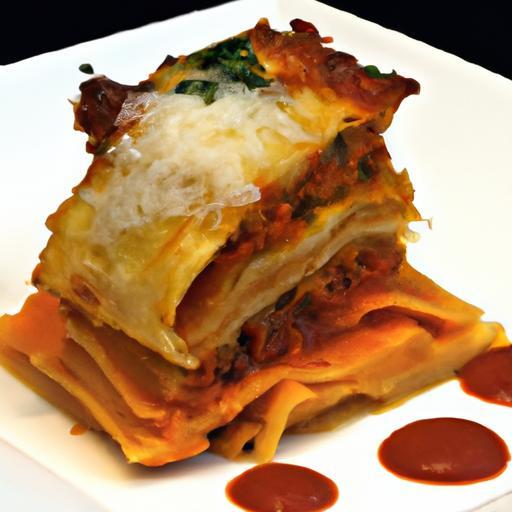
Beneath the golden, bubbling crust of a perfectly baked lasagna lies a symphony of flavors, traditions, and stories waiting too be discovered. More than just a beloved comfort food, lasagna is a culinary masterpiece-an edible tapestry woven with rich sauces, tender pasta sheets, and melted cheeses. Each layer carries with it centuries of history, regional influences, and the artistry of cooks who have elevated this humble dish into an icon of Italian cuisine. Join us as we peel back the layers to unveil the fascinating journey of lasagna, exploring the intricate dance of flavors and the cultural roots that have made it a timeless classic enjoyed around the world.
Origins Beneath the Sauce: Exploring the Past Roots of Lasagna
Layers of flavor define lasagna as much as its rich history. This beloved dish traces its origins back to ancient times, with early references to layered pasta and cheese found in Roman texts and medieval Italian cookbooks. Unlike today’s comforting casserole, the earliest versions likely included simple flat sheets of dough layered with local cheese and herbs, evolving through centuries into the luscious, hearty masterpiece we cherish now.
The Renaissance era introduced the layering of rich meats and béchamel, while regional Italian variations reflected distinct ingredient availability and culinary traditions. from Emilia-Romagna’s famed ragù alla bolognese to southern Italy’s ricotta-filled versions,each layer tells a story-one of cultural adaptation and passionate craftsmanship. When you prepare lasagna today, you are recreating a warmly layered narrative that spans centuries.
Crafting Depth Through Ingredients: selecting the Perfect Cheese, Meats, and Herbs
At the heart of every incredible lasagna lies the strength of its ingredients. Selecting the right combination brings intricate layers of flavor that sing in harmony. Whole milk ricotta lends creamy, dreamy softness, while freshly shredded mozzarella offers that perfect melt and stretch. Don’t underestimate the power of a robust Parmesan Reggiano, grated finely to add nuggets of savory bite throughout.
For the meat layer, ground lean beef or ground veal provide a tender, succulent base without overpowering the flavors. A slow-simmered tomato sauce infused with fresh garlic, bay leaves, and fragrant fresh basil unlocks complexity and warmth. The herbs are the invisible alchemists here-thyme, oregano, and marjoram can be gently layered to elevate each bite with aromatic depth. Aim for fresh or high-quality dried versions to maintain radiant, lively notes.
Mastering the Technique: Layering Skills for a Textural Symphony
Layering lasagna is truly an art form, where each component plays a crucial textural role. Begin with a thin spread of sauce on the dish’s base to prevent sticking.Next, carefully lay firm yet pliable pasta sheets, either fresh or dried, but always cooked al dente to maintain structure through baking. spread a generous layer of the creamy ricotta mixture, followed by the ground meat ragù and a sprinkle of shredded mozzarella.
Repeat until your dish reaches an inviting height-typically three or four layers will suffice-and finish with a lavish dusting of Parmesan. this alternation creates a symphony of texture: tender pasta sheets, rich creamy cheese, toothsome meat, and bubbling, golden-topped cheese crust. Covering with foil during baking ensures even cooking and prevents the top from drying, while uncovering at the end encourages caramelization and visual appeal.
Beyond Tradition: Creative Twists to Elevate Your Lasagna Experience
While the classic Italian lasagna formula is eternally satisfying, don’t hesitate to experiment to personalize this timeless dish. Consider swapping ricotta for a luscious mascarpone or a blend of ricotta and fontina for extra richness.For a vegetarian take, layers of sautéed mushrooms, spinach, and artichokes introduce earthiness and a vibrant color contrast.
For added depth, incorporate a touch of smoked mozzarella or a hint of truffle oil infused in your béchamel.Play with unexpected herbs like fresh rosemary or sage to nod toward rustic country kitchens. Even the sauce can be brightened with sun-dried tomatoes or a splash of balsamic vinegar to balance sweetness and acidity. No matter your twist, layering flavors thoughtfully will always pay dividends in ultimate satisfaction.
Prep and Cook Time
- Preparation: 30 minutes
- cooking: 1 hour 15 minutes
- Total Time: 1 hour 45 minutes
Yield
Serves 6 generous portions
Difficulty Level
Medium – perfect for home cooks ready to embrace layering technique and flavor balancing
Ingredients
- 12 lasagna noodles (fresh or dried, cooked al dente)
- 1 lb ground lean beef or veal
- 2 cups whole milk ricotta cheese
- 2 cups shredded mozzarella cheese
- 1 cup grated Parmesan Reggiano
- 4 cups homemade or high-quality store-bought marinara sauce
- 3 cloves garlic, minced
- 1 small onion, finely diced
- 2 tbsp olive oil
- 1 tsp dried oregano
- 1/2 tsp dried thyme
- 1/4 tsp freshly ground black pepper
- 1 tbsp fresh basil, chopped (plus extra for garnish)
- salt to taste
Instructions
- Prepare the meat sauce: In a large skillet, heat olive oil over medium heat. Add diced onion and sauté until translucent, about 5 minutes.
- Add minced garlic, dried oregano, and thyme; cook until fragrant, about 1 minute. Stir in the ground meat and cook until browned, breaking it apart with a wooden spoon.
- Pour in marinara sauce and season with salt and pepper. Reduce heat to low and simmer gently for 25-30 minutes, stirring occasionally to develop deep flavor.
- Cook the noodles: Boil noodles in salted water until al dente. Drain and lay flat on a clean kitchen towel to remove excess moisture and prevent sticking.
- Mix the ricotta layer: In a medium bowl, combine ricotta cheese with half the chopped basil and a pinch of salt; mix gently to combine.
- Assemble the lasagna: Preheat the oven to 375°F (190°C). Spread a thin layer of meat sauce on the bottom of a 9×13-inch baking dish.
- Layer 3 noodles over the sauce, then spread 1/3 of the ricotta mixture evenly over the noodles, followed by 1/3 of the meat sauce and 1/3 of the shredded mozzarella.
- Repeat layers twice more, finishing with a top layer of noodles, meat sauce, and mozzarella. Sprinkle grated Parmesan evenly over the top.
- Cover dish with foil and bake for 40 minutes. Remove foil and bake an additional 15 minutes or until cheese is bubbling and golden brown.
- let the lasagna rest for 15 minutes before slicing. Garnish with fresh basil leaves and serve warm.
Tips for Success
- Use fresh herbs whenever possible for a brighter flavor impact.
- Cook noodles just shy of al dente as they will continue to soften during baking.
- Resting the lasagna after baking helps maintain clean slices and maximizes flavor melding.
- For a make-ahead meal, assemble the lasagna and refrigerate overnight before baking; add 10 extra minutes to baking time if baking straight from the fridge.
- Try swapping out part of the beef for ground turkey for a leaner option without sacrificing flavor.
Serving Suggestions
Serve slices alongside a crisp arugula and cherry tomato salad drizzled with lemon vinaigrette to cut through the richness.A sprinkle of freshly cracked black pepper and a few fresh basil leaves add fresh, herbaceous aromatics. For a cozy touch, warm rustic Italian bread to soak up the luscious sauce.Pair with sparkling mineral water or a cold herbal iced tea for a delightful meal experience.
| Nutrient | per Serving |
|---|---|
| Calories | 550 kcal |
| Protein | 38 g |
| Carbohydrates | 40 g |
| Fat | 28 g |

Explore more classic Italian recipes or dive into historical culinary insights at Britannica’s detailed lasagna history.
Q&A
Q&A: Layers of Flavor – The Art and History of Lasagna Unveiled
Q1: What is the historical origin of lasagna?
A1: Lasagna traces its roots back to ancient times, with inspirations stretching to the Romans and even earlier. The word “lasagna” itself derives from the Greek ‘laganon,’ a flat sheet of dough cut into strips.Over centuries, this humble pasta evolved in italy, particularly in the region of Emilia-Romagna, transforming into the layered masterpiece celebrated today.
Q2: How did lasagna transition from a simple pasta dish to the layered classic we recognize?
A2: Early versions of lasagna were often just sheets of pasta cooked with simple sauces or broths. The magic happened during the Renaissance when richer ingredients like béchamel sauce and ragù (a slow-cooked meat sauce, often beef or veal-based) were introduced. Layering these components created contrasts in texture and flavor, turning lasagna into a culinary symphony.
Q3: What are the essential layers that define a customary lasagna?
A3: A classic lasagna is built on a foundation of tender pasta sheets, alternating layers of richly seasoned meat sauce, creamy béchamel, and a generous shower of cheeses such as Parmigiano-Reggiano and mozzarella. Each layer is crucial-this interplay yields a balance between savory, creamy, and slightly tangy notes.
Q4: Can lasagna be adapted without meat and still maintain its soul?
A4: Absolutely. Vegetarian lasagna versions celebrate vegetables like spinach, mushrooms, eggplant, or butternut squash, frequently enough paired with ricotta or béchamel to maintain richness. The key lies in layering flavors and textures thoughtfully-a smoky roasted eggplant or a fragrant mushroom ragù elevates the dish beautifully.
Q5: How do regional Italian variations influence the flavor profile of lasagna?
A5: Lasagna wears manny regional crowns. In Northern Italy, you’ll find creamy béchamel and rich meat ragù with layers of tender pasta sheets. In Naples and the south, versions might feature ricotta and sometimes even hard-boiled eggs or meat alternatives, reflecting local ingredients. each region’s climate, agriculture, and traditions shape the unique identity of its lasagna.
Q6: What role does cheese play in the lasagna layering?
A6: Cheese is the melodic thread weaving together the layers. Parmigiano-Reggiano adds a nutty, sharp finish; mozzarella melts into velvety pockets of gooeyness, offering texture and moisture; and ricotta provides a delicate creaminess. The balance and ratio of these cheeses help build complexity and depth.
Q7: How does mastering the layering technique impact the final dish?
A7: layering in lasagna isn’t merely about stacking ingredients-it’s an art. Even distribution ensures each bite offers harmony: pasta tender but firm, sauces mingling without sogginess, cheese melting into creamy ribbons. Over-layering risks heaviness, while scant layers can leave the dish dry. Precision transforms simple ingredients into a sumptuous experience.Q8: Can lasagna be made ahead, and how does time affect its flavor?
A8: Yes, lasagna frequently enough benefits from a day’s rest. Allowing it to sit lets the layers meld, intensifying flavors and softening textures. Whether chilled or frozen, reheating gently preserves the structure and taste, making lasagna a perfect dish for celebrations and gatherings.Q9: Beyond Italy, how has lasagna evolved globally?
A9: Lasagna has traveled and transformed, adapting to local flavors and dietary preferences worldwide. From Mediterranean herb-infused versions to those with bold spices or plant-based ingredients, lasagna’s spirit thrives in creative kitchens everywhere. Its core-layers of pasta, sauce, and cheese-remains a global canvas for flavor.
Q10: What tips can beginner cooks take away to create their own unforgettable lasagna?
A10: Start with quality ingredients-fresh pasta sheets if possible, robust sauces, and the best cheeses you can find. Pay attention to seasoning each layer and balance moisture carefully to avoid sogginess. Take your time simmering sauces to build depth, and don’t rush the baking; patience rewards you with bubbling, golden layers that delight the senses. Most importantly, infuse your creation with love-it’s the final secret ingredient.
To Conclude
As we peel back each lovingly crafted layer of lasagna, we uncover more than just a harmonious blend of cheese, sauce, and pasta – we reveal centuries of tradition, innovation, and cultural storytelling. This beloved dish, rich with history and bursting with flavor, reminds us that food is never just sustenance; it is an art form, a legacy passed down through generations, and a celebration of life’s simplest, most profound pleasures. So next time you savor a slice of lasagna, remember: you’re tasting a vibrant tapestry woven from time, taste, and the enduring human passion for culinary creation.