


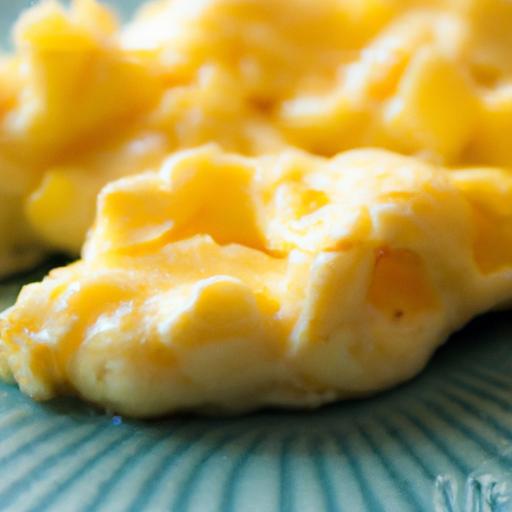
There’s something undeniably comforting about a plate of perfectly fluffy scrambled eggs-the kind that melt in your mouth, light and airy, yet rich with buttery goodness. Achieving that elusive texture can sometimes feel like a culinary mystery, leaving manny to settle for rubbery or overly dry results. But fear not: mastering the art of fluffy scrambled eggs is simpler than you think. In this guide, we’ll crack open the secrets behind curating eggs that are tender, creamy, and irresistibly soft, transforming your breakfast routine into a gourmet experiance with just a few easy steps. Get ready to elevate your morning ritual and start your day with a bowl of pure egg-cellent delight!
Choosing the Perfect Eggs and ingredients for Maximum Fluffiness
Master the Art of fluffy Scrambled Eggs begins with selecting the freshest and highest-quality eggs-thes are the foundation of a soft, airy, and indulgently creamy scramble. Farm-fresh or free-range eggs with vibrant orange yolks frequently enough have a richer flavor and thicker texture, essential for that coveted fluffiness. Alongside eggs, incorporating a splash of whole milk, cream, or even crème fraîche introduces fat which tenderizes the curds and heightens creaminess.
Salt plays a subtle but critical role; incorporate it *just before* cooking to help break down proteins gently,creating a tender texture. Butter is ideal for the cooking fat-it imparts richness while allowing gentle heat transfer to coax the eggs into fluffy perfection.
Prep and Cook Time
- preparation: 5 minutes
- Cooking: 7 minutes
- Total Time: 12 minutes
Yield
Serves 2 generous portions
difficulty Level
Easy – perfect for beginner cooks aiming to impress!
Ingredients
- 4 large fresh eggs (preferably free-range or organic)
- 2 tablespoons whole milk or heavy cream
- 1 tablespoon unsalted butter
- Salt, to taste (about ¼ teaspoon)
- Freshly ground black pepper, to taste
- Optional garnish: finely chopped chives, shredded sharp cheddar, or microgreens
Instructions
- Crack the eggs into a medium bowl, adding the whole milk or cream. Season lightly with salt and freshly ground black pepper.
- Whisk gently but thoroughly using a fork or a balloon whisk until the mixture turns pale yellow and slightly frothy. This introduces air for enhanced fluffiness-avoid over-beating to keep the texture delicate.
- Heat a non-stick skillet over low to medium-low heat. Add the butter and let it melt fully but not brown, coating the pan evenly.
- Pour the egg mixture into the skillet. Let it settle undisturbed for 15-20 seconds, then begin gently stirring with a silicone spatula, pushing from the edges toward the center.
- Continue stirring slowly and patiently.As the eggs start to form soft curds, scrape the bottom often, ensuring gentle, even cooking. Remove from heat while the eggs still look slightly wet-carryover heat will finish them.
- Transfer immediately to a warm plate to stop cooking, preserving the velvety texture and maximum fluffiness.
Chef’s Notes: Tips for Success and Creative Variations
- Whisking Technique: Incorporate just enough air without creating a frothy mess. A few gentle lifts and folds deliver the ideal aeration for softness.
- Cooking Heat: Use low heat to avoid rubbery eggs. Scrambled eggs need slow,patient cooking for delicate curds.
- Substitutions: Almond milk or oat milk can replace dairy, but remember, fat content impacts creaminess.
- Add-ins: Gently fold in diced roasted red pepper, sautéed mushrooms, or fresh herbs like tarragon or dill just before finishing cooking.
- Storage: Scrambled eggs are best enjoyed fresh but can be gently reheated in a double boiler or microwave on low power. Avoid overcooking during reheating.
serving Suggestions
Present your fluffy scrambled eggs on a warmed plate garnished with fresh chives or a sprinkle of grated white cheddar.Accompany with lightly toasted sourdough or a side of mashed avocado for creamy contrast. for a brunch elevated with texture and color, add halved cherry tomatoes and a sprig of microgreens. The presentation should invite the eye just as much as the palate.
| Nutrient | Per Serving |
|---|---|
| Calories | 210 kcal |
| Protein | 14 g |
| Carbohydrates | 1.5 g |
| Fat | 16 g |
Discover more egg-perfecting techniques in our Ultimate Guide to Egg Recipes and expand your breakfast repertoire.
For scientific insights into why low heat yields creamy scrambled eggs, visit Serious Eats’ guide.

Q&A
Q&A: Master the Art of Fluffy Scrambled Eggs: Simple recipe Guide
Q1: What’s the secret to making scrambled eggs extra fluffy?
A1: The fluffiness comes down to gentle whisking and low, slow cooking.Incorporating a splash of milk or cream and whipping the eggs just enough to blend air in without overbeating helps create softness. Cooking on low heat while stirring gently preserves lightness and prevents rubberiness.
Q2: Can I use just egg whites to get fluffy scrambled eggs?
A2: While egg whites do create a lighter texture, the richness and flavor frequently enough come from the yolks. For fluffy yet flavorful results, use whole eggs. If you prefer a lighter option, you can use extra whites but add a touch of dairy or butter to maintain creaminess.
Q3: How notable is the cooking temperature?
A3: Very important! High heat can cause eggs to toughen and brown unevenly. Cooking scrambled eggs over low to medium-low heat allows the curds to form slowly, yielding tender, fluffy eggs. Patience is key-rushing the process will compromise texture.
Q4: Is there a difference between stirring eggs continuously and folding them gently?
A4: Yes! For soft, creamy scrambled eggs, gentle folding or slow stirring helps maintain the eggs’ light texture. Vigorous stirring breaks eggs down too much and can result in smaller, drier curds. The goal is to coax the eggs into silky ribbons as they cook.
Q5: Should I add salt before or after cooking the eggs?
A5: Adding salt just before cooking can draw out water, sometimes making eggs watery.Many chefs recommend salting towards the end or immediately after cooking to keep the texture fluffy and moist. However, seasoning to taste is a personal preference-experiment to find your favorite method.
Q6: What role does butter play in fluffy scrambled eggs?
A6: Butter adds richness and creates a luscious coating on the eggs, enhancing both flavor and texture. it also helps prevent sticking and gently cooks the eggs, contributing to a creamy finish. For best results, melt butter slowly over low heat before adding eggs.
Q7: Can I use alternative dairy like almond or oat milk in scrambled eggs?
A7: Absolutely! Plant-based milks can be used to add moisture and slight creaminess. Choose unsweetened, unflavored varieties to avoid altering the taste. Adjust the amount to maintain the right balance-too much liquid can make eggs runny instead of fluffy.
Q8: How do I store leftover scrambled eggs without losing fluffiness?
A8: Store scrambled eggs in an airtight container in the refrigerator within two hours of cooking. To reheat, use low heat and stir gently, or warm them in a microwave with a cover to trap moisture. Adding a small pat of butter or a splash of milk during reheating can help restore softness.
Q9: What creative toppings complement fluffy scrambled eggs?
A9: Fresh herbs like chives, parsley, or dill brighten the dish beautifully. Sautéed mushrooms, roasted cherry tomatoes, or creamy avocado add texture and flavor contrast. Sprinkle a pinch of freshly cracked black pepper or a dash of smoked paprika for subtle complexity.
Q10: Are there any common mistakes to avoid when making scrambled eggs?
A10: Overcooking is the biggest culprit-eggs continue to cook even after removal from heat, so take them off just before they look fully set. Another mistake is rushing the whisking; not incorporating enough air can lead to flat eggs. Lastly, avoid high heat to prevent dryness and a rubbery bite.
Master these tips,and your fluffy scrambled eggs will become a canvas for morning joy-creamy,delicate,and endlessly satisfying!
Key Takeaways
There you have it-a simple yet transformative guide to mastering the art of fluffy scrambled eggs.With just a few key techniques and a touch of patience, you can elevate this humble breakfast staple into a creamy, cloud-like delight that brightens any morning. So next time you crack those eggs, remember: it’s not just cooking, it’s crafting a little edible masterpiece.embrace the process, experiment with flavors, and most importantly, savor each bite of your perfectly fluffy creation. happy cooking!