


There’s something irresistibly comforting about a classic cheesecake-its silky texture,subtle sweetness,and rich flavour often evoke memories of family gatherings and celebratory moments.But what if you could elevate this beloved dessert with a luscious twist that brings both creaminess and a delicate tang to the forefront? Enter the creamy baked ricotta cheesecake: a delightful reinvention that marries the velvety smoothness of ricotta cheese with the decadent indulgence of conventional cheesecake. In this article, we’ll explore the art of crafting this elegant dessert, uncovering tips and secrets to achieve its perfect texture and flavor, while celebrating a recipe that promises to enchant both cheesecake aficionados and curious foodies alike.
The Art of Achieving the Perfect Creamy Texture
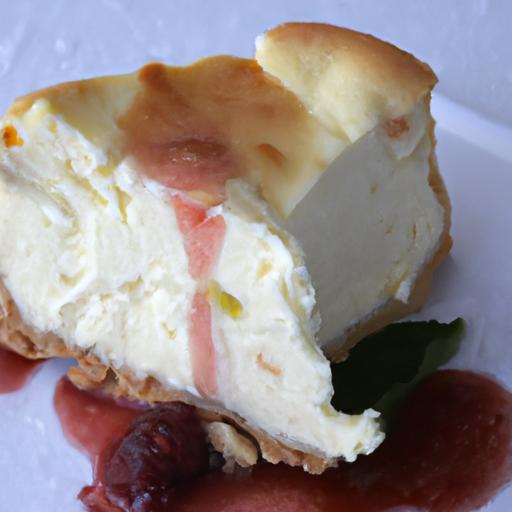
Creamy baked ricotta cheesecake captivates the senses with its delicate, smooth texture that beckons every bite. Achieving this velvety consistency is an art form rooted in selecting impeccable ingredients and gentle handling throughout the planning. The secret lies in balancing moisture and aeration-too much mixing can lead to a dense cake, while too little can leave it crumbly.
Begin with fresh, full-fat ricotta cheese, ideally made from whole milk, which delivers unparalleled creaminess and richness.Incorporate room-temperature eggs and sour cream slowly, folding rather of vigorously whipping to preserve the batter’s airy feel. Precise baking times at a moderate temperature create a cheesecake that’s set but still supple, with a slight jiggle that promises lusciousness.
Selecting the Best Ingredients for Richer Flavor
Quality ingredients form the heart of this exquisite dessert. Opt for fresh ricotta cheese sourced from trusted dairies, ensuring its smooth and moist, not dry or crumbly. Use organic free-range eggs for fuller flavor and a richer natural yellow hue. For sweetness,fine granulated sugar or superfine caster sugar disperses evenly,blending seamlessly into the batter.
To enhance depth, add freshly grated lemon zest and a splash of pure vanilla extract-these luminous, aromatic notes elevate the cheesecake beyond ordinary. A touch of fine sea salt balances the sweetness, while freshly sifted all-purpose flour gently binds without compromising softness.
Prep and Cook Time
- preparation: 20 minutes
- Baking: 50-60 minutes
- Cooling & Resting: 4 hours (preferably overnight)
Yield
serves 8 generous slices
Difficulty level
Medium – perfect for adventurous bakers looking to master texture and flavor nuances
Ingredients
- 2 ½ cups fresh whole-milk ricotta cheese (drained if watery)
- 1 cup granulated sugar
- 3 large eggs, room temperature
- 1 teaspoon pure vanilla extract
- 1 tablespoon finely grated lemon zest
- ½ cup sour cream, room temperature
- ½ cup all-purpose flour, sifted
- ¼ teaspoon fine sea salt
- Butter, for greasing the pan
- Optional: powdered sugar, for dusting
Step by Step Guide to Baking Your Ricotta Cheesecake
- Preheat your oven to 325°F (163°C). Grease a 9-inch springform pan with butter and line the bottom with parchment paper for an easy release.
- Drain the ricotta by placing it in a fine mesh sieve over a bowl for 15-20 minutes to reduce excess moisture, ensuring a thick and creamy texture.
- In a large bowl, combine ricotta and sugar using a rubber spatula, blending gently until smooth but still airy. Avoid overmixing to keep air bubbles intact.
- Whisk the eggs lightly in a separate bowl, then add them gradually into the ricotta mixture.Fold them in carefully for an even, light batter.
- Add vanilla extract, lemon zest, sour cream, and sea salt. Fold these into the mixture to create layers of flavor that build complexity without overwhelming.
- Gently sift the flour over the batter and fold in just until incorporated.This step ensures tenderness while binding the ingredients.
- Pour the batter into your prepared pan, smoothing the surface with a spatula. Tap the pan lightly on the counter to release any stubborn air bubbles.
- Bake the cheesecake on the center rack for 50-60 minutes. The edges should be set while the center slightly jiggles when you gently shake the pan – this guarantees a creamy finish.
- Turn off the oven and leave the cake inside with the door slightly open for 15 minutes. This tempers cooling and reduces cracking.
- Remove the cheesecake from the oven and let it cool fully at room temperature before refrigerating for at least 4 hours or overnight to fully set and develop flavor.
Tips for Success
- Do not overbeat the batter; gentle folding preserves the cheesecake’s creamy, light texture.
- Drain ricotta thoroughly-extra moisture leads to a runny cheesecake.
- Room temperature ingredients blend more evenly and prevent curdling or grainy texture.
- A water bath is optional but can help create an even creamier texture by regulating oven heat and moisture.
- For make-ahead ease, the cheesecake can be refrigerated up to 3 days or frozen for up to 1 month-thaw overnight in the fridge before serving.
Creative Serving Suggestions to Elevate Your Dessert Experience
Present your creamy baked ricotta cheesecake with a flourish that enhances both flavor and visual appeal. A vibrant berry compote made from macerated raspberries, blueberries, or cherries adds a luscious, tart contrast to the rich creaminess. Fresh mint leaves or delicate edible flowers add a pop of color and elegance.
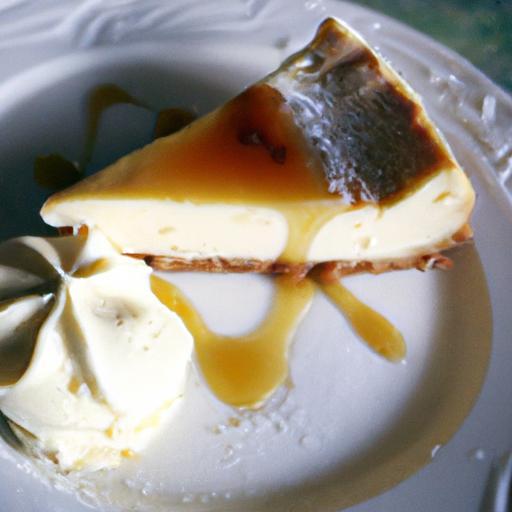
For added indulgence, drizzle with a warm honey-infused caramel sauce or sprinkle toasted almond slivers on top to introduce a delicate crunch. For those who love zest, a light dusting of powdered sugar along with extra lemon zest brightens the palate perfectly.Serve chilled slices alongside a dollop of whipped cream or a scoop of tangy sorbet for a refreshing balance.
Pairing your cheesecake with an aromatic cup of freshly brewed espresso or a carefully selected herbal tea can complete the experience, turning a simple dessert into an unforgettable celebration of textures and tastes.
| Nutrient | Per Serving (1 slice) |
|---|---|
| Calories | 320 |
| Protein | 11g |
| Carbohydrates | 28g |
| Fat | 18g |

For more creamy delights, check our guide on Classic New York Cheesecake. To dive into the history and science behind ricotta cheese, explore this comprehensive article by Culture Cheese Magazine.
Q&A
Q&A: creamy Baked Ricotta Cheesecake - A Delightful Twist
Q1: What makes a ricotta cheesecake different from a traditional cream cheese cheesecake?
A1: The magic lies in the texture and flavor. Ricotta cheese brings a lighter, fluffier texture with a subtly grainy creaminess, unlike the denser, tangier profile of cream cheese. this swap creates a delicately moist, airy cheesecake that feels like a cloud on your palate.
Q2: Can you describe the flavor profile of a baked ricotta cheesecake?
A2: imagine a mild, slightly sweet, and subtly nutty cheese base that never overwhelms but gently caresses your taste buds.With hints of vanilla and lemon zest commonly added, it’s a fresh and bright dessert that feels both indulgent and uplifting.
Q3: What are some essential tips for baking a perfectly creamy ricotta cheesecake?
A3: First, drain the ricotta thoroughly to avoid excess moisture. Whip the batter gently to keep it airy but avoid overmixing, which can cause cracks. Also, baking at a low temperature and using a water bath will ensure an even, creamy texture without drying out the edges.
Q4: what crust options pair well with ricotta cheesecake?
A4: Classic buttery graham cracker crust works beautifully, adding a crunchy, sweet contrast to the creamy filling. For a nuttier crunch, try almond or hazelnut crusts. Even a delicate shortbread base can elevate the cheesecake’s subtle sweet flavors.
Q5: Are there creative ways to enhance the cheesecake without overpowering the ricotta?
A5: Absolutely. Incorporate fresh citrus zest like lemon or orange to brighten the dish, or swirl in a vibrant berry compote for a pop of color and tartness. A drizzle of honey or a sprinkle of toasted nuts lends an elegant finishing touch without overshadowing the ricotta’s delicate charm.
Q6: How can this ricotta cheesecake cater to different dietary preferences?
A6: Ricotta cheesecake naturally feels lighter and can adapt well to gluten-free crusts using almond flour or gluten-free cookies. For a lower sugar version, try using natural sweeteners like maple syrup or honey, adjusting quantities to taste while preserving the creamy texture.Q7: can ricotta cheesecake be prepared ahead for special occasions?
A7: Yes! Its density enhances with a night in the fridge, allowing flavors to meld and texture to set perfectly. Just cover tightly to prevent absorbing other fridge aromas, and serve chilled or at room temperature for an impressive, ready-to-enjoy dessert.Q8: What makes the baked ricotta cheesecake a ”delightful twist” on a classic dessert?
A8: By swapping in ricotta, the traditional cheesecake transforms into a lighter, more nuanced treat-subtly textured with an elegant simplicity. It’s a fresh take that invites experimentation and appeals to those seeking something familiar yet wonderfully different.
Key Takeaways
In the world of desserts, the Creamy Baked Ricotta Cheesecake stands out as a luscious harmony of tradition and innovation. Its silky texture and delicate tang offer a refreshing twist on the classic cheesecake, inviting both seasoned bakers and curious food lovers to explore new flavors and techniques. Whether enjoyed as an elegant finale to a dinner party or a comforting treat on a quiet afternoon,this delightful creation proves that sometimes,the sweetest pleasures come from reimagining the familiar. So next time you crave something both creamy and captivating, let this ricotta masterpiece inspire your culinary adventures.