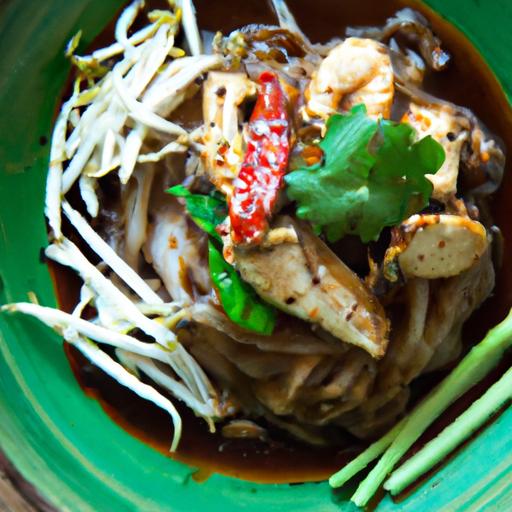



Nestled along the bustling canals and vibrant street corners of Thailand, boat noodles offer more than just a meal-they serve as a delicious passport into the heart of Thai culture.These humble bowls, brimming with rich, aromatic broth and tender slices of meat, carry centuries of tradition and a perfect balance of flavors that dance on the palate. Join us as we embark on a flavorful culinary journey to savor Thai boat noodles,exploring their fascinating origins,unique ingredients,and the sensory experience that has made them a beloved staple from the floating markets to city streets across Thailand.
Discovering the Essence of Thai boat Noodles: A Flavorful Culinary Journey
Thai boat noodles are a heartwarming emblem of Thailand’s rich street food culture, famed for their intense, savory broth and the intriguing history that shaped them. Originally served by floating vendors along Bangkok’s bustling canals, these savoring Thai boat noodles carry fragrant herbs, spices, and a depth of flavor that has inspired food lovers worldwide. My first taste of this iconic dish was by a riverside stand, enveloped by the scent of star anise and cinnamon, an experience that opened my eyes to how unique and comforting noodle soups can truly be.
Prep and Cook Time
Readiness: 30 minutes
Cooking: 3 hours
Total Time: 3 hours 30 minutes
Yield
Serves 6 hearty bowls
Difficulty Level
Medium – Perfect for those eager to master authentic Thai broth techniques
Ingredients
- 500g beef brisket, cut into bite-sized pieces
- 200g rice noodles (sen lek or medium-thin)
- 4 cups beef stock (preferably homemade or low-sodium store-bought)
- 2 star anise pods
- 3 whole cloves
- 2 cinnamon sticks (about 4 inches each)
- 1 tbsp dried black fungus (wood ear mushrooms), soaked and sliced
- 1 tbsp tamarind paste
- 2 tbsp soy sauce
- 1 tbsp fish sauce
- 2 tbsp palm sugar (or light brown sugar)
- 5 garlic cloves, minced
- 1 small shallot, finely sliced
- 1 tbsp vegetable oil
- Fresh bean sprouts, for garnish
- Sliced Thai basil and coriander leaves, for garnish
- Chopped scallions
- Crushed roasted peanuts
- Fresh lime wedges
- Chili flakes or fresh chopped bird’s eye chili (optional)
Instructions
- Prepare the broth: Heat the vegetable oil in a large pot over medium heat. Add minced garlic and sliced shallots, sauté until fragrant and golden, about 3-4 minutes. Be careful not to burn the garlic.
- Spice infusion: Add star anise, cloves, and cinnamon sticks to the pot. Toast gently for 1-2 minutes, releasing their aromatic oils.
- Add the beef brisket: Pour in beef stock and bring to a gentle boil. Add brisket pieces, reduce heat to low, and cover. Let simmer for 2.5 to 3 hours,skimming any foam to keep broth clear and flavorful.
- Incorporate flavor enhancers: Stir in tamarind paste, soy sauce, fish sauce, and palm sugar. Adjust sweetness and saltiness by tasting every 15 minutes until the broth reaches a balanced sweet-savory tang. Add soaked dried fungus during the last 30 minutes.
- Noodle preparation: While the broth simmers, soak rice noodles in warm water for about 15 minutes until pliable but not fully soft. Drain well before serving.
- Cooking noodles: Just before serving, blanch the noodles in boiling water for 30 seconds to 1 minute until tender yet firm to the bite. Transfer them to individual serving bowls.
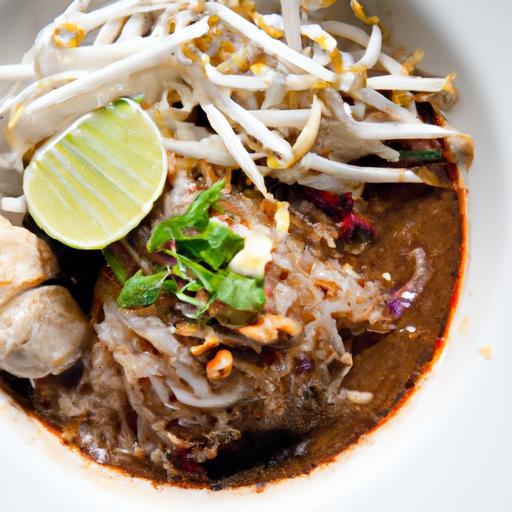
- Assemble and serve: Ladle hot, fragrant broth with tender beef brisket over noodles. Garnish with fresh bean sprouts, Thai basil, coriander, scallions, crushed peanuts, and lime wedges. Offer chili flakes or fresh chilies for those who crave spice.
Chef’s Notes
- For a richer broth: Roasting beef bones beforehand can intensify umami depth. Simmer them alongside brisket for extra body.
- Ingredient swap: For gluten-free options, ensure soy sauce is gluten-free or use tamari exclusively.
- Make ahead: Broth can be prepared 1-2 days in advance and tastes even better after resting overnight.
- Noodle choice: While rice noodles are conventional, try fresh egg noodles for a different texture.
- Beef alternatives: Tender cuts like sirloin or brisket offer best texture. Avoid tough muscle cuts.
Serving Suggestions
Present your Thai boat noodles in deep bowls, emphasizing the rich mahogany broth contrasted by vibrant green herbs and crisp bean sprouts. A wedge of lime on the side brightens each bite, while crushed peanuts add a delightful crunch. Pair with a cold Thai iced tea or an aromatic jasmine tea to complement the robust flavor and spice of the broth.
| Nutrient | Per Serving |
|---|---|
| Calories | 370 kcal |
| Protein | 28 g |
| Carbohydrates | 35 g |
| Fat | 11 g |
For further exploration of authentic Thai street eats, check out our thorough guide to Thai street food. To delve into the cultural heritage behind Thai cuisine more deeply, the Tourism Authority of Thailand offers excellent insights.

Q&A
Q&A: Savoring Thai Boat Noodles – A Flavorful Culinary Journey
Q1: What exactly are Thai boat noodles,and why are they called that?
A1: Thai boat noodles,or kuaitiao ruea,are quintessential street food dishes known for their rich,aromatic broth served with thin rice noodles and various toppings. The name “boat noodles” harks back to their origins-vendors once sold these tasty bowls from small boats gliding through Bangkok’s canals,allowing locals to enjoy a speedy,flavorful meal right on the water.
Q2: What makes the broth of Thai boat noodles so special?
A2: The broth is the heart and soul of boat noodles. It’s a deeply savory concoction brimming with an intricate blend of spices, herbs, and savory elements like star anise, cinnamon, and sometimes a hint of dark soy for color and umami. Slow-simmered with beef bones or chicken, the broth boasts a complex, layered flavor that’s both comforting and invigorating.
Q3: Which proteins commonly feature in boat noodles aside from pork?
A3: While pork is often associated with the dish, other popular proteins include tender beef slices, chicken pieces, and sometimes beef meatballs. These alternatives absorb the rich broth beautifully, adding complementary textures and tastes without overpowering the overall harmony of the bowl.
Q4: What toppings and garnishes enhance the boat noodle experience?
A4: To elevate the flavor and texture, boat noodles are typically adorned with fresh bean sprouts, crunchy fried garlic, vibrant green onions, and fragrant cilantro. Lime wedges allow diners to add a zesty brightness, while chili flakes or vinegar with sliced chilies introduce a spicy or tangy kick according to personal taste.
Q5: How is the noodle component of boat noodles unique?
A5: The noodles themselves are thin rice noodles,frequently enough boiled to just the right al dente bite. Unlike heavier wheat noodles, these delicate rice strands soak up the broth’s flavors without becoming mushy, creating a perfect balance with the broth and protein.
Q6: Are there different regional variations of Thai boat noodles?
A6: Absolutely! While the classic style hails from Bangkok, you’ll find subtle twists across Thailand. Some versions feature a darker,richer broth,while others might incorporate a sharper sourness or extra herbs. Each variation reflects the local palate and ingredients, turning every bowl into a unique culinary expression.
Q7: How should one enjoy boat noodles for the fullest experience?
A7: Eating boat noodles is as much about the ritual as the taste. take small, thoughtful sips of broth between noodle bites to appreciate its depth. Adjust flavors with lime and chili to find your own perfect balance.And if available, enjoy the dish with traditional Thai iced tea to cleanse the palate between spoonfuls!
Q8: Can boat noodles be enjoyed beyond Thailand?
A8: Definitely! Thai boat noodles have captured hearts worldwide, with many Thai restaurants offering authentic versions. While nothing quite matches a bowl from a canal-side vendor in Bangkok, cooking at home or seeking out specialty eateries abroad allows food lovers to savor this iconic dish’s spirit wherever they are.
Q9: What makes boat noodles a cultural symbol in Thailand?
A9: beyond their delightful taste, boat noodles embody Thailand’s vibrant street food culture and history. Their humble origins on waterways remind us of a time when life moved at a gentler pace, and communal eating was a daily celebration. Each spoonful connects eaters not just to flavors but to stories, traditions, and a shared Thai heritage.
Q10: Are there vegetarian options for boat noodles?
A10: While traditionally meat-based, vegetarian versions can be crafted by using vegetable broth, tofu, mushrooms, and plenty of aromatic herbs and spices.These plant-forward bowls still capture the essence of boat noodles, offering a flavorful journey that welcomes all food explorers.
The Way Forward
As the final drop of rich,spiced broth lingers on your palate and the last bite of tender noodles melts away,the experience of savoring Thai boat noodles leaves an indelible mark-a testament to the artistry woven into every bowl. This humble street food, steeped in history and bursting with layered flavors, invites you to embark on more than just a meal; it’s a flavorful journey through Thailand’s vibrant culture and culinary heritage. Whether enjoyed riverside in bustling bangkok or recreated in your own kitchen, boat noodles remind us that sometimes, the most memorable adventures are found in the simplest of dishes. So next time hunger calls, take a plunge into this savory symphony and let your taste buds navigate the enchanting world of Thai boat noodles.