

Amidst the whispering wetlands and shimmering waters of North America’s wildest landscapes grows a grain steeped in history and mystery-wild rice. Long celebrated by Indigenous cultures as a sacred gift from nature, this ancient grain offers far more than just its nutty aroma and tender texture. “Wild Rice Wonders: Nature’s Ancient Grain Explored” invites you on a journey beyond the simple bowl,diving into the ecological marvels,cultural meaning,and nutritional riches that make wild rice a true treasure of the natural world. Join us as we uncover how this humble grain connects us to the past, enriches our plates, and supports the delicate ecosystems where it thrives.
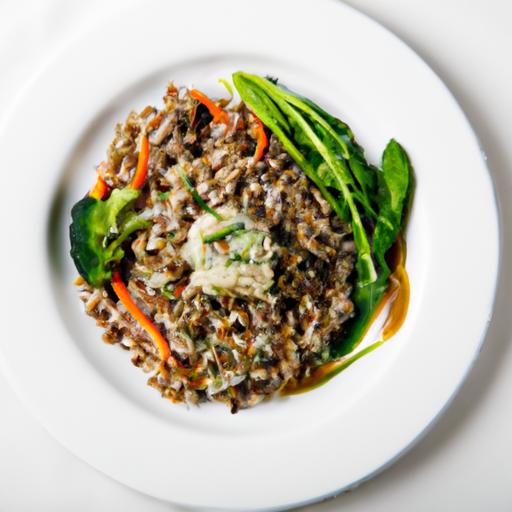
Wild Rice Wonders have long been celebrated as a nutritional and cultural treasure, weaving together ancient traditions and modern health benefits. Originating from North American waterways, this distinctive grain carries a nutty aroma and a chewy bite that elevates any dish it graces.My first encounter with wild rice was during a rustic lakeside feast, where its earthy flavor perfectly complemented the fresh-foraged mushrooms and wild herbs, leaving a lasting impression that inspired countless culinary experiments.
Prep and Cook Time
- Readiness: 10 minutes
- Cooking: 45 minutes
- Total: 55 minutes
Yield
Serves 4 generously
Difficulty Level
Medium – suitable for cooks comfortable with simmering grains and layering flavors
Ingredients
- 1 cup wild rice, rinsed well under cold water
- 3 cups vegetable broth (preferably low sodium)
- 1 medium yellow onion, finely chopped
- 2 cloves garlic, minced
- 1 cup cremini mushrooms, sliced
- 1 carrot, diced small
- 1 celery stalk, diced small
- 2 tablespoons olive oil
- 1 teaspoon fresh thyme, chopped (or ½ teaspoon dried thyme)
- salt and freshly ground black pepper to taste
- ¼ cup chopped fresh parsley, for garnish
- Optional: ½ cup toasted walnuts or pecans, chopped (for crunch)
Instructions
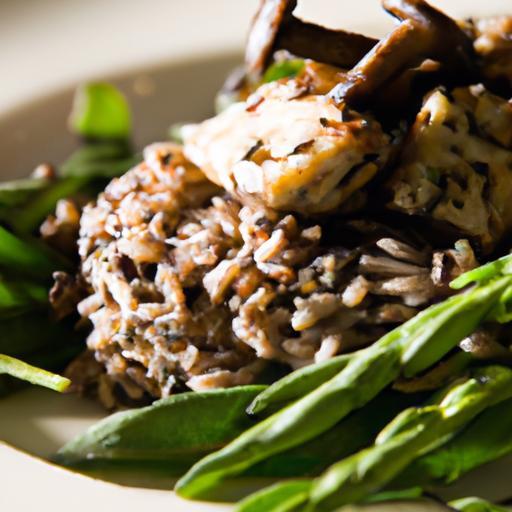
- Prepare the wild rice: Place the rinsed wild rice and vegetable broth in a medium saucepan. Bring to a boil over high heat, then reduce to a gentle simmer. Cover and cook until the grains swell and split open, about 40-45 minutes. Drain any excess liquid and set aside.
- Sauté the aromatics: While the rice cooks, heat olive oil in a large skillet over medium heat. Add the chopped onion, carrot, and celery. Sauté until softened, about 5-7 minutes, stirring occasionally to prevent sticking.
- Add garlic and mushrooms: Stir in the minced garlic and sliced mushrooms.Cook until mushrooms release their moisture and turn golden brown, about 6-8 minutes.
- incorporate thyme and season: Sprinkle in fresh thyme,salt,and pepper. Stir well to combine and allow herbs to infuse the mixture for 1-2 minutes.
- Combine rice and vegetables: Add the cooked wild rice to the skillet,tossing to evenly distribute mushrooms and aromatics. Warm through for 2-3 minutes to marry flavors.
- Adjust and finish: Taste and adjust seasoning with additional salt or pepper if needed. Remove from heat and sprinkle with fresh parsley and toasted nuts for an exciting texture contrast.
Tips for Success
- Rinsing wild rice thoroughly removes dust and helps with an even cook.
- Simmer gently to avoid bursting grains prematurely and preserve their nutty chew.
- For a creamier texture, stir in ¼ cup of coconut cream or cream alternative near the end.
- Make ahead: Prepare wild rice and sautéed vegetables separately, then combine just before serving.
- Substitute mushrooms with roasted butternut squash or caramelized shallots for seasonal variations.
Serving suggestions
This wild rice medley shines as a hearty side to roasted root vegetables or grilled seasonal tofu. For a complete meal, serve atop a bed of baby spinach or arugula tossed lightly with lemon vinaigrette. Garnish with a sprinkle of microgreens and a drizzle of toasted sesame oil for an elegant finish. Pair with a citrusy herbal tea to balance the warm, earthy notes.

| Nutrient | Per Serving |
|---|---|
| Calories | 280 kcal |
| Protein | 8 g |
| Carbohydrates | 50 g |
| Fat | 6 g |
For an in-depth look at ancient grains and their health benefits, explore our comprehensive guide. Also, learn more about enduring wild rice harvesting practices at the USDA Natural Resources Conservation Service.
Q&A
Q&A: Wild Rice Wonders – Nature’s Ancient Grain Explored
Q1: What exactly is wild rice, and how does it differ from regular rice?
A1: Wild rice is not actually rice in the typical sense but the seed of aquatic grasses native to North America and parts of Asia. Unlike common white or brown rice, wild rice boasts a chewy texture, nutty flavor, and a richer nutrient profile, making it a unique culinary and nutritional gem.
Q2: Why is wild rice frequently enough referred to as “nature’s ancient grain”?
A2: Wild rice has thrived in freshwater lakes and rivers for thousands of years, sustaining Indigenous communities long before modern agriculture. Its status as an “ancient grain” underscores its heritage as a naturally foraged food, minimally altered by human cultivation, connecting us to generations past.
Q3: How is wild rice typically harvested in the wild?
A3: Traditionally, wild rice is harvested by canoe. Gatherers gently knock the ripened grains into their boats with wooden sticks-a method that respects the plants and ensures sustainability. This time-honored practice blends skill, patience, and respect for the habitat.
Q4: What nutritional benefits does wild rice offer?
A4: Wild rice is a powerhouse of nutrition. It’s high in protein and fiber,rich in antioxidants,and packed with essential minerals such as magnesium,zinc,and phosphorus. Its low fat and gluten-free nature make it an excellent choice for health-conscious eaters.
Q5: Can wild rice be incorporated into everyday cooking?
A5: Absolutely! From hearty salads and soups to pilafs and stuffing, wild rice adds a textural and flavor dimension that lifts many dishes. Its nutty taste pairs wonderfully with vegetables, beans, nuts, and fresh herbs, making it a versatile staple in vegetarian and vegan cuisine alike.
Q6: Is wild rice sustainable compared to cultivated grains?
A6: Yes, when harvested responsibly, wild rice supports wetland ecosystems and biodiversity. Its growth in natural waters without intensive farming inputs like pesticides or synthetic fertilizers means it has a relatively low environmental impact, aligning well with eco-friendly food practices.
Q7: are there cultural traditions tied to wild rice?
A7: Wild rice is deeply woven into the cultural fabric of many Indigenous peoples, especially around the Great Lakes region. It’s revered as a gift from nature and features prominently in ceremonial feasts, storytelling, and community gatherings-a symbol of life and sustainability.
Q8: How should wild rice be cooked for the best results?
A8: Wild rice generally needs to be simmered longer than regular rice-about 45-60 minutes-until its grains burst open and become tender yet still retain a pleasant chewiness. Rinsing before cooking helps remove any debris and ensures a clean, pure flavor.
Q9: What are some creative ways to enjoy wild rice beyond the traditional?
A9: Think wild rice risotto with earthy mushrooms,warming autumn soups,colorful grain bowls with roasted root veggies,or even crunchy wild rice-crusted veggie patties. Its hearty character invites culinary creativity, inviting adventurous cooks to explore new gastronomic landscapes.Q10: Where can one find authentic wild rice?
A10: Authentic wild rice can be sourced from specialty grocery stores, health food markets, or directly from regional producers committed to sustainable harvesting. Look for brands that specify “wild-harvested” to ensure you’re enjoying the true essence of this remarkable ancient grain.
The Way Forward
As we close the chapter on wild rice, this ancient grain reveals itself not just as a humble seed but as a vibrant thread woven through ecosystems, cultures, and cuisines alike. From shimmering lakes to dining tables, wild rice stands as a testament to nature’s resilience and diversity. Embracing its rich history and nutritional gifts invites us to rediscover a truly wild wonder-one that nourishes both body and heritage with every bite.Whether you’re a curious cook or a mindful eater, wild rice offers an invitation: to explore, appreciate, and celebrate a grain that’s been thriving long before agriculture’s dawn, and continues to enrich our world today.