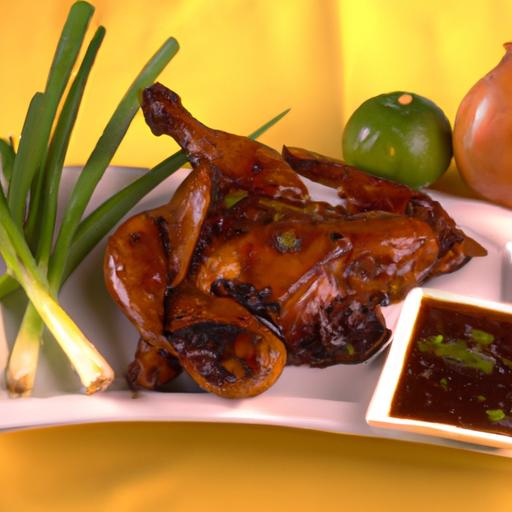


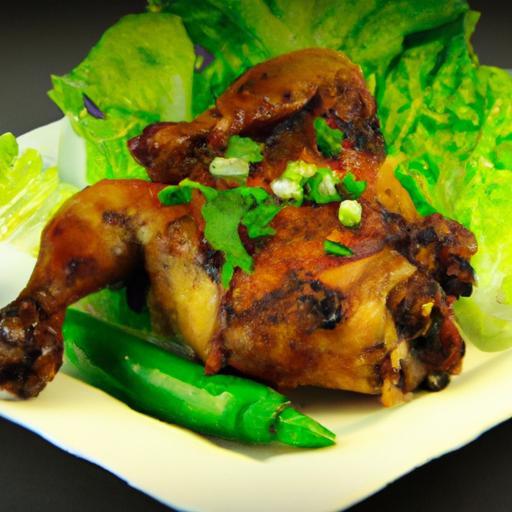
In the vibrant tapestry of Filipino cuisine, few dishes capture the soul and history of the islands quite like Adobo Chicken. More than just a meal, adobo is a symphony of flavors-tangy, savory, and subtly sweet-harmonizing in a way that tells a story of tradition, ingenuity, and cultural fusion. unlocking the secrets behind this beloved classic reveals not only the art of balancing simple ingredients but also the rich heritage that simmers in every bite.Join us as we delve into the captivating world of Filipino Adobo Chicken, exploring its origins, techniques, and the culinary magic that transforms ordinary chicken into a timeless masterpiece.
Unlocking Flavor: The Art of Filipino Adobo Chicken invites you on a culinary journey steeped in history, tradition, and heartfelt family meals. This iconic dish has long served as a symbol of Filipino resilience-simple, yet profound in taste, embodying a perfect harmony of salty, sour, and savory notes achieved thru its masterful use of vinegar and soy sauce. My own first experience with adobo was during a vibrant party with Filipino friends,where the warm aroma and tender chicken told stories thousands of miles beyond the dinner table.
History and Cultural Meaning
Adobo’s roots trace back to pre-colonial Philippines, where indigenous cooking melded local ingredients with Spanish influences introduced in the 16th century. A practical dish born out of necessity, adobo’s vinegar-based marinade was integral in preserving meat in a tropical climate long before refrigeration. Over centuries, it transcended survival, becoming a beloved culinary emblem celebrated in every Filipino household. More than just a meal, adobo represents community, family heritage, and a shared palate that adapts beautifully to every region and cook’s nuance.
Choosing the Perfect Cut and Marinade for Maximum Flavor
For maximum flavor, selecting the right chicken cut is paramount. Bone-in, skin-on pieces like thighs and drumsticks offer a balance of juicy tenderness and rich texture, their connective tissues melting during cooking to impart depth.Breasts, while leaner, can become dry if overcooked but work well for lighter takes.
the marinade is your flavor foundation. Combining soy sauce and vinegar with fragrant aromatics like garlic, bay leaves, and freshly cracked black peppercorns unlocks complexity. opt for a dark soy sauce for a robust umami punch, and use cane or coconut vinegar for a subtly fruity tang. Marinate your chicken for at least 30 minutes; overnight yields the best infusion of flavor,turning every bite into a layered experience.
Mastering the Balance of Vinegar, Soy, and Aromatics
The magic of Filipino adobo lies in its perfectly calibrated balance: the sharp acidity of vinegar meets the rich saltiness of soy, lifted by the warmth of garlic and earthiness of bay leaves.Begin your sauce with a measured ratio, often 1:1 vinegar to soy, then adjust based on preference. Simmer gently to allow the alcohol in the vinegar to mellow and for all flavors to harmonize without overpowering the delicate chicken.
Adding aromatics gradually lets their fragrance blossom-toast your cracked peppercorns briefly to enhance their pungency, and crush garlic to release maximum aroma. Slow cooking lets these ingredients intertwine, creating a sauce that envelops the chicken with layers of savory-sour delight.
Advanced Techniques for Tenderness and Depth in Every Bite
Unlocking Flavor: The Art of Filipino Adobo Chicken also means approaching texture with intention. After marinating, sear the chicken skin until golden and crisp before simmering in your marinade-this develops contrast between crunchy exterior and luscious inside. Cooking low and slow allows collagen to break down, rendering the meat tender and the sauce richly gelatinous.
For even greater depth, reduce the sauce uncovered towards the end until it thickens and clings luxuriously to each bite. Some add a subtle touch of coconut milk or annatto for color and creaminess, but the traditional method shines through simplicity. Finish with a gentle sprinkle of chopped fresh scallions or crisp fried garlic for bursts of freshness and texture.
Prep and Cook Time
- Prep Time: 15 minutes (plus 30 minutes marinating)
- Cook Time: 40 minutes
Yield
Serves 4 generously
Difficulty Level
Medium – Requires patience for marinating and simmering but simple techniques
Ingredients
- 1.5 lbs chicken thighs and drumsticks, bone-in, skin-on
- 1/2 cup soy sauce (preferably dark soy sauce)
- 1/2 cup cane vinegar or coconut vinegar
- 6 cloves garlic, crushed
- 3 bay leaves
- 1 tablespoon whole black peppercorns, lightly crushed
- 1 tablespoon brown sugar (optional, balances acidity)
- 2 tablespoons cooking oil
- 1/4 cup water
- Salt, to taste
- Fresh scallions or fried garlic for garnish
Instructions
- Marinate the chicken: In a large bowl, combine chicken, soy sauce, vinegar, crushed garlic, bay leaves, peppercorns, and brown sugar. Cover and refrigerate for at least 30 minutes, preferably overnight for deeper flavor.
- Heat oil in a deep skillet: Over medium-high heat,sauté half of the garlic until golden and fragrant to flavor the oil.
- Sear chicken skin-side down: Add chicken pieces to the skillet; cook until skin is golden brown and crisp, about 5 minutes. Flip and brown the other side for 3 more minutes. Remove and set aside.
- Deglaze and simmer: Pour marinade into the skillet, add water, and bring to a simmer. Return chicken to the pan, skin side up.
- Cover and cook on low heat: Let simmer gently for 30 minutes, turning chicken halfway through. Avoid stirring too much to keep skin intact.
- Reduce the sauce: Remove chicken onto a plate. Increase heat and reduce sauce until slightly thickened, about 5-7 minutes. Taste and season with salt if needed.
- Coat chicken: Return chicken to the sauce and spoon over to coat evenly. serve hot.
Tips for Success
- For a more vibrant tang,adjust vinegar quantity after simmering-add a splash at a time.
- Use fresh garlic and crush peppercorns just before cooking for maximum aromatic impact.
- Keep skin crispy by not overcrowding the pan when searing chicken.
- Make ahead: Adobo tastes even better the next day; store leftovers in the fridge and gently reheat.
- For a lighter version, substitute chicken thighs with boneless breasts but reduce simmer time to prevent dryness.
Serving Suggestions
Serve Filipino adobo chicken alongside steaming bowls of garlic fried rice or plain jasmine rice to soak up every drop of its luscious sauce.Garnish with fresh scallions for a pop of color and a sprinkle of toasted fried garlic for irresistible crunch. A side of pickled vegetables or atchara (pickled green papaya) complements the meal, balancing the rich, vinegary flavors. For an extra layer, drizzle with homemade chili vinegar to suit your heat preference.
| Nutrient | Per Serving |
|---|---|
| Calories | 350 kcal |
| Protein | 30 g |
| Carbohydrates | 8 g |
| Fat | 18 g |

Experience more Filipino classics and elevate your pantry staples by exploring our collection of Filipino chicken recipes. For deeper knowledge about traditional vinegar techniques,check out this National Geographic feature on Filipino culinary history.
Q&A
Q&A: Unlocking Flavor-The Art of Filipino Adobo Chicken
Q1: What makes Filipino Adobo Chicken stand out from other chicken dishes?
A1: Filipino Adobo Chicken is a masterclass in balancing bold flavors. the magic lies in its harmonious blend of tangy vinegar, savory soy sauce, pungent garlic, and earthy bay leaves. This symphony creates a uniquely deep and comforting taste that’s both simple and complex-one that’s hard to find in any other cuisine.
Q2: How did adobo become such a beloved staple in Filipino households?
A2: Adobo has centuries-old roots influenced by indigenous preservation methods and Spanish culinary heritage. It became beloved because it uses accessible pantry staples to transform humble chicken into a dish that’s flavorful, hearty, and perfect for daily meals. Its ability to taste even better the next day has made it a practical favorite across generations.
Q3: What are the essential ingredients in an authentic Filipino chicken adobo?
A3: At its core,authentic Filipino chicken adobo features chicken pieces simmered in a marinade of vinegar,soy sauce,crushed garlic,black peppercorns,and bay leaves. These basic elements create a concentrated sauce that’s tangy, salty, savory, and aromatic-a taste map that epitomizes Filipino cooking.
Q4: Why is the ratio of vinegar to soy sauce critically important in an adobo recipe?
A4: The interplay between vinegar’s sharp acidity and soy sauce’s salty umami defines the flavor profile. A well-balanced ratio prevents the dish from becoming overly sour or salty and ensures a round, full-bodied taste where no single flavor dominates. tinkering with this balance allows cooks to tailor the adobo to their own palate preferences.
Q5: Can you describe the cooking technique that unlocks the deep flavor in Adobo Chicken?
A5: Traditional adobo is prized for the slow simmering of chicken in its marinade. This gradual cooking not only tenderizes the meat but also reduces the sauce to a rich glaze, intensifying flavors.Some dialects steam first, then sauté the chicken, while others simmer continuously-either way, the technique coaxing deep, concentrated flavor is key.
Q6: How do variations in regional Filipino adobo recipes influence the taste?
A6: Different regions add their own flair-some incorporate coconut milk for creaminess, while others add a hint of sweetness from brown sugar or tropical fruits. Even the type of vinegar, such as cane vinegar or coconut vinegar, can subtly shape the final taste. These nuanced shifts keep adobo a dynamic dish rooted in tradition yet ripe for innovation.
Q7: What side dishes perfectly complement filipino Adobo Chicken?
A7: Adobo’s rich, saucy profile shines when paired with steamed jasmine or garlic rice, which soaks up every flavorful drop.Fresh cucumber salad, pickled vegetables (atchara), or sautéed greens provide refreshing contrasts, balancing the savory depth with crispness and light acidity.
Q8: Coudl you suggest tips for someone trying to master Adobo Chicken at home?
A8: Start with quality chicken-bone-in pieces add flavor and moisture. Marinate to allow the flavors to meld deeply, then cook low and slow to tenderize the meat and thicken the sauce. Don’t rush the reduction; patience is crucial. taste as you go-fine-tune salt, acidity, and sweetness until the flavor sings.
Q9: What cultural significance does Adobo hold beyond being a dish?
A9: Adobo represents Filipino resourcefulness and community. It’s a dish born from preservation needs turned culinary icon, served at family feasts and celebrations alike.it evokes warmth and home, uniting Filipinos wherever they are through its familiar, comforting flavors.
Q10: How can one creatively enjoy leftover Adobo Chicken?
A10: Leftover adobo is a treasure trove for creativity. Use it as a filling for wraps or sandwiches, toss it into fried rice with fresh veggies, or heat it gently to top a warm bowl of noodles. Its concentrated, versatile sauce makes every reinvention deliciously satisfying.
Unveiling the secrets of Filipino Adobo Chicken reveals more than just a recipe-it uncovers a story of flavor harmony, cultural identity, and culinary artistry waiting to be savored.
Future Outlook
As the rich aroma of simmering vinegar and soy sauce lingers in the air,Filipino Adobo Chicken reveals itself not just as a dish,but as a flavorful journey steeped in history and heart. Unlocking its art means more than mastering a recipe-it’s about embracing a culinary tradition that balances tang, salt, and spice in perfect harmony. Whether your a seasoned cook or a curious food lover, bringing Adobo to your table invites you to savor a timeless dance of flavors that warms both the palate and the soul.So next time you hear the sizzle of garlic and the gentle bubble of the stew, remember: you’re not just making chicken-you’re crafting a story, one appetizing bite at a time.