

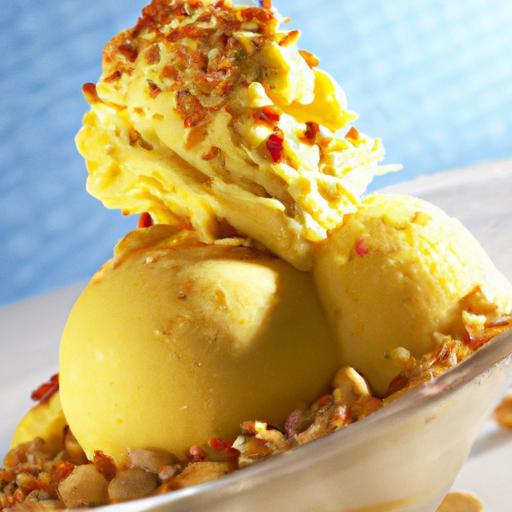
There’s a magical treat in Turkey that dances on the tongue with a texture unlike any other-a luscious, chewy ice cream that’s as much a spectacle as it is indeed a dessert. Known as dondurma, this creamy delight combines the unexpected elasticity of mastic resin adn the hearty thickness of salep flour, creating a sensory experience that teases the palate and ignites curiosity. More than just a frozen sweet, dondurma is a centuries-old tradition, a cultural icon, and a playful performance all rolled into one.Join us as we uncover the secrets behind Turkey’s chewy, creamy ice cream and explore how this culinary marvel continues to captivate locals and visitors alike.
Dondurma Delight introduces you to a sensational frozen treat that transcends ordinary ice cream. Originating from the southeast of Turkey, this chewy, creamy ice cream secret captures hearts with its elasticity and rich, velvety mouthfeel. What sets it apart is the careful balance of salep – a flour made from wild orchid tubers – and mastic resin, both pivotal in defining the authentic dondurma experience. Each bite delivers a unique dance of texture and flavor that’s unlike any typical ice cream. Let’s delve deeper into the tradition and techniques behind mastering this Turkish marvel at home, while uncovering the best spots across Turkey to indulge your cravings.
Prep and Cook Time
- Preparation: 15 minutes
- Cooking: 30 minutes
- Churning and Chilling: 4 hours (minimum)
Yield
Approximately 6 generous servings
Difficulty Level
Advanced – requires patience and attention to technique to achieve the perfect chewy texture
Ingredients
- 4 cups whole milk (preferably full-fat for rich creaminess)
- 1 cup granulated sugar
- 3 tbsp salep powder (ensure it is authentic for true texture)
- 1 tsp mastic resin (crushed finely to release aroma)
- 1 cup heavy cream
- 1 tsp rose water (optional, for a fragrant floral note)
Instructions
- Prepare mastic resin: Place the mastic pieces in a small mortar and grind finely until powdered. This enhances its aromatic presence in the ice cream.
- Mix dry ingredients: In a small bowl, combine salep powder with the powdered mastic resin and half of the sugar to ensure even dispersion.
- Heat the milk: Slowly warm the milk in a heavy-bottomed saucepan on medium heat, stirring occasionally to avoid scorching, until just before boiling (around 80°C/176°F).
- Incorporate dry mix: Gradually whisk the salep, mastic, and sugar mixture into the hot milk, ensuring no lumps form. Continue whisking until the mixture thickens noticeably,about 10-15 minutes.
- Add sugar and cream: Stir in the remaining sugar and heavy cream. Maintain gentle heat and keep stirring until the blend forms a thick, elastic custard that coats the back of a spoon.
- Cool down: Remove from heat and allow the base to cool at room temperature for 20 minutes, then refrigerate for at least 2 hours.
- Churn creatively: Traditionally, dondurma is stretched and pounded for its unique chewiness. At home, use an ice cream maker per manufacturer instructions, then hand-knead or stretch in intervals, returning to the freezer to firm up between stretches. This alternating freeze-and-stretch method develops the signature texture.
- Add rose water: Stir in rose water just before the final freeze for a subtle floral delight.
- Serve instantly: Scoop dondurma with elongated, elastic strands visible. Garnish as desired and enjoy the stretchy, creamy sensation.
Tips for Success
- Salep sourcing: Opt for genuine salep powder from trusted suppliers; its quality is crucial to authentic dondurma texture.
- Managing stickiness: Keep stirring constantly during cooking to prevent clumping and avoid scorching on the bottom.
- Stretching technique: Use lightly oiled hands or a spatula to stretch the ice cream between chilling periods. This mimics the traditional pulling and enhances chewiness.
- Substitutions: If authentic mastic resin is unavailable, a small pinch of gum arabic may impart a similar mouthfeel, but results will vary.
- Make-ahead tip: Prepare the base a day in advance, refrigerate overnight, and then proceed with churning and stretching for best consistency.
- Experiment: Add finely chopped pistachios or sprinkle crushed roasted hazelnuts atop for a delightful textural contrast.
Serving Suggestions
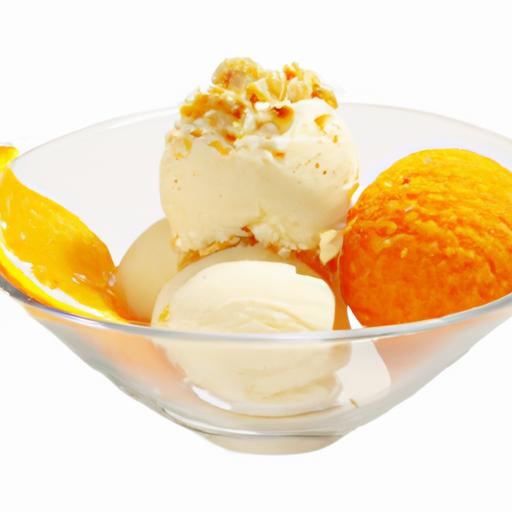
present your dondurma delight in traditional tulip-shaped glass bowls or rustic ceramic dishes to highlight its glossy, elastic texture. Garnish with a light dusting of crushed pistachios, a drizzle of honey, or a sprinkle of edible rose petals to enhance its exotic origins.Pair with a warm, lightly brewed Turkish tea or a fresh fruit compote such as pomegranate or fig for a balance of sweet and tart. For a street-style experience, try serving with a thick, slightly salty clotted cream (kaymak) for richness.

| Nutrient | Per Serving (approx.) |
|---|---|
| Calories | 280 kcal |
| Protein | 6 g |
| Carbohydrates | 35 g |
| Fat | 13 g |
For those eager to explore further, be sure to check out our comprehensive guide to Turkish desserts that beautifully complement the dondurma experience. Also, visit Britannica’s detailed article on Turkish ice cream for deeper historical insights.
Q&A
Q&A: Dondurma Delight – Turkey’s Chewy, Creamy Ice Cream Secret
Q1: What makes Dondurma so different from regular ice cream?
A: Unlike typical ice cream, Dondurma boasts a unique chewy texture and amazing stretchiness. This delightful consistency comes from two special ingredients: salep (a flour made from wild orchid tubers) and mastic resin, which give it a thick, elastic quality that delights both the palate and the eyes.Q2: Where does Dondurma originate, and how has it become a cultural icon?
A: Dondurma hails from the southeastern regions of Turkey, especially in cities like Kahramanmaraş, famous for its traditional recipe. Over time, the art of making and serving Dondurma-often with theatrical flair-has transformed it into a beloved national treasure enjoyed across Turkey and increasingly around the world.
Q3: How is Dondurma traditionally made?
A: The process starts by carefully heating milk and sugar, then mixing in salep powder and a hint of mastic.The mixture is churned and pounded for hours,activating the salep’s thickening properties. This meticulous preparation results in an ice cream that resists melting and can be stretched and folded like taffy.
Q4: Why is salep so important in making authentic Dondurma?
A: salep is the secret ingredient that gives Dondurma its signature elasticity. Harvested from wild orchids, salep contains natural starches that thicken the ice cream differently than regular stabilizers. This rare powder not only affects texture but also adds a slight floral aroma, enhancing the overall experience.
Q5: Can the street vendors’ performance add to the enjoyment of eating Dondurma?
A: Absolutely! Part of Dondurma’s charm is the lively vendor shows, where ice cream makers playfully twist, tease, and stretch the ice cream with long paddles and rods before handing a cone to the customer. This playful interaction elevates the treat from simple dessert to a memorable spectacle.
Q6: Is Dondurma available outside Turkey?
A: While authentic Dondurma is most commonly found in Turkey, international interest has grown. Specialty shops and festivals around the world sometimes feature Turkish-style Dondurma, but it’s rare to find it made with true salep outside its native region due to sourcing challenges.
Q7: Are there different flavors of Dondurma?
A: Yes! Although the classic Dondurma is often vanilla-flavored to highlight its unique texture, vendors frequently offer variations including chocolate, pistachio, or fruit-infused versions. Irrespective of flavor, the chewy, creamy core experience remains the star.
Q8: How should one enjoy Dondurma to fully appreciate its qualities?
A: Take small bites and savor the interplay of creaminess and chewiness. Unlike regular ice cream that melts quickly, Dondurma’s texture invites you to enjoy it at a leisurely pace, allowing its rich, milky flavors and surprising elasticity to unfold slowly on your tongue.
Q9: Are there any cultural traditions associated with eating Dondurma?
A: Beyond the whimsical vendor performances, Dondurma is often shared during family outings, festivals, and warm summer evenings. It carries a sense of nostalgia and celebration, representing more than just a dessert – it’s a moment of joy and connection.
Q10: Is Dondurma suitable for all ages?
A: Certainly! Thanks to its mild, creamy flavor and fun texture, Dondurma is loved by children and adults alike. It’s a playful treat that appeals across generations, making it a perfect choice for families and adventurous food lovers.
Enjoy your journey into the chewy, creamy wonder of Dondurma – a delightful taste of Turkey’s sweetest secret!
Final Thoughts
As the final spoonful of dondurma melts on your tongue, you’re left not just with a taste, but with a story-a rich blend of history, texture, and tradition that makes Turkey’s chewy, creamy ice cream truly one of a kind. More than just a dessert, dondurma is an experience that surprises and delights, inviting you to savor every stretch, pull, and swirl. Whether enjoyed from a bustling street vendor or in a cozy café, this unique treat stands as a flavorful testament to culinary creativity and cultural heritage. So next time you crave something both familiar and fantastically different, remember the secret behind turkey’s dondurma-a sweet adventure that turns ice cream into an unforgettable delight.