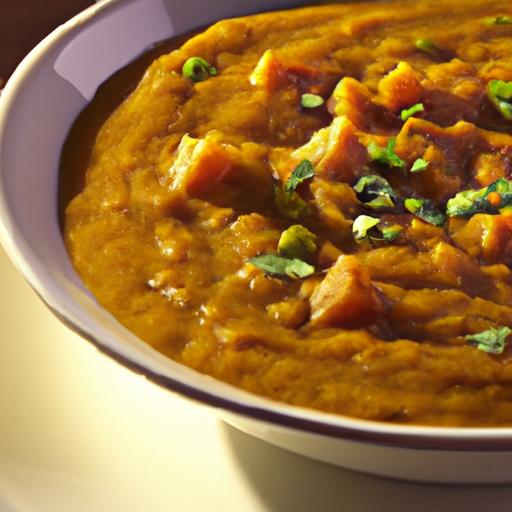



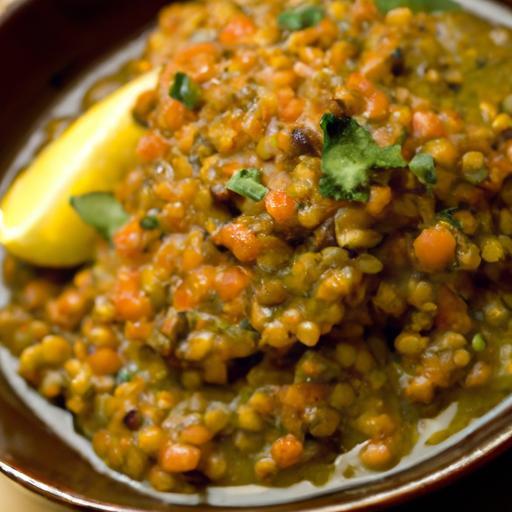
Bathed in a warm, amber glow and steeped in centuries of tradition, red lentil dal is much more than just a humble dish-it is a golden comfort that nourishes both body and soul. From bustling street stalls in India to cozy home kitchens around the world,this vibrant lentil stew has quietly woven itself into the tapestry of global culinary heritage. But what is it that makes red lentil dal so irresistibly comforting? Beyond its creamy texture and rich aroma lies a story of ancient agriculture,regional secrets,and timeless techniques passed down through generations. Join us as we unravel the interesting journey and hidden nuances behind this simple yet exquisite dish, uncovering how a handful of humble lentils became a beloved symbol of warmth, wellness, and cultural identity.
Unlocking the Nutritional Power Behind the Golden Hue
Golden Comfort starts with red lentil dal, a culinary treasure rooted deeply in South Asian culture, cherished not only for its vibrant golden color but also its remarkable nutritional profile. This humble dish carries centuries of tradition, offering warmth and nourishment through every creamy spoonful. Red lentils, or masoor dal, are a powerhouse of plant-based protein, fiber, iron, and essential minerals, making this dal a staple for vegetarians and health enthusiasts alike. The distinct golden hue comes from the natural pigments in red lentils combined with turmeric, a revered spice known for its anti-inflammatory benefits.
Historically, red lentil dal has been a symbol of simplicity and sustenance across Indian households, forging connections from bustling city kitchens to rural village hearths. Beyond feeding the body, this dish serves as a metaphor for hospitality and comfort, often accompanying celebratory meals or quiet, soul-nourishing moments during challenging days.
Prep and Cook Time
- Planning: 10 minutes
- Cooking: 30 minutes
- Total Time: 40 minutes
Yield
Serves 4 generous portions
Difficulty level
Easy – Perfect for weeknight dinners and meal prepping comfort food
Ingredients
- 1 cup red lentils (masoor dal), rinsed until water runs clear
- 4 cups water
- 1 medium onion, finely chopped
- 2 medium tomatoes, chopped
- 3 cloves garlic, minced
- 1-inch piece fresh ginger, grated
- 2 tablespoons vegetable oil or ghee
- 1 teaspoon mustard seeds
- 1 teaspoon cumin seeds
- 1 teaspoon turmeric powder
- 1 teaspoon ground coriander
- 1/2 teaspoon chili powder (adjust to taste)
- Salt, to taste
- Fresh cilantro leaves, chopped (for garnish)
- 1 green chili, sliced (optional)
- juice of half a lemon
Instructions
- Rinse the red lentils thoroughly under cold water until the water runs clear. Set aside.
- Heat the oil or ghee in a heavy-bottomed pot over medium heat. When shimmering,add mustard seeds. Wait until they start to pop, then add cumin seeds. Sauté for 30 seconds until fragrant.
- Add the chopped onions and cook gently,stirring often,until golden brown and caramelized,about 7-8 minutes. This step builds a deep, rich flavor base essential for perfect dal.
- Stir in garlic and ginger, cooking for another 1-2 minutes until aromatic-do not let them burn.
- Add the chopped tomatoes along with turmeric, ground coriander, and chili powder. Cook until the tomatoes soften and oil separates from the mixture, about 5 minutes.
- add the rinsed lentils and water to the pot. Stir well and bring to a gentle boil.
- Reduce heat to low, cover partially, and simmer for 20-25 minutes until the lentils are soft and breaking apart. Stir occasionally to prevent sticking, adding more water if necessary for your preferred consistency.
- Season generously with salt. Just before removing the dal from heat, stir in fresh lemon juice to brighten the flavors.
- Garnish with chopped cilantro and sliced green chili for a pop of color and spice.
Tips for Success: Mastering the Art of Perfectly Creamy Red Lentil Dal
- Consistency control: For a thinner, soup-like dal, add extra water during cooking; for a thicker, stew-like texture, cook uncovered for the last 5-10 minutes to reduce liquid.
- Tempering technique: The initial step of tempering mustard and cumin seeds in oil unlocks the dal’s rich fragrance-don’t rush this crucial flavor-building moment.
- Freshness boost: Always add lemon juice at the end to preserve its vibrant tartness, balancing the dal’s earthiness.
- Make ahead: Dal tastes even better the next day as flavors deepen. Store in an airtight container in the refrigerator for up to 3 days. Reheat gently, adding water as needed.
- Substitutions: Ghee imparts a nutty richness, but vegetable oil or coconut oil works beautifully, especially for vegan versions.
Flavor Boosters and Serving Suggestions for Ultimate comfort
Elevate your golden comfort by pairing this dal with jeera rice-a fragrant cumin-spiced rice that effortlessly complements the dal’s creaminess. For added texture, serve alongside crispy papadams or fresh naan bread, perfect for scooping every last bit.
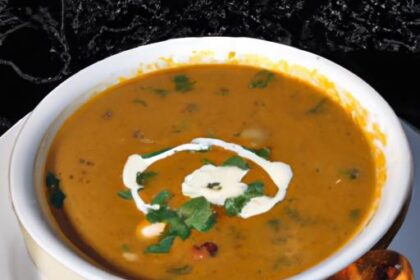
Add a cooling side like cucumber raita or a simple mango chutney to contrast and enhance the dish’s warm spices. A drizzle of coconut cream or a swirl of yogurt on top adds luscious silkiness and balances heat.
For garnishing, fresh cilantro is a given, but consider tiny sprigs of mint or a sprinkling of toasted cumin seeds for visual appeal and an extra layer of flavor complexity.
| Nutrient | Per Serving |
|---|---|
| Calories | 250 kcal |
| Protein | 15 g |
| Carbohydrates | 40 g |
| Fat | 5 g |

For further reading on optimizing plant-based nutrition, visit the Harvard T.H. Chan School of Public Health on legumes.
Q&A
Q&A: Golden Comfort – The Story and Secrets of Red Lentil Dal
Q1: What is red lentil dal,and why is it called “golden comfort”?
A1: Red lentil dal is a beloved dish from the Indian subcontinent,made primarily with split red lentils simmered until luscious and creamy. Its warm, golden hue comes from turmeric and the gentle glow of cooked lentils.Often enjoyed as a soul-soothing comfort food, red lentil dal wraps you in a cozy, nourishing embrace-hence the name “golden comfort.”
Q2: How did red lentil dal become such a staple in South Asian cuisine?
A2: Lentils have been cultivated in South Asia for thousands of years, prized for their protein and versatility. Red lentils, in particular, cook quickly and offer a rich, velvety texture that lends itself beautifully to the dish called dal. Over centuries,this humble legume evolved into countless regional variations,becoming an indispensable part of daily meals,festivals,and family traditions.
Q3: What makes red lentils unique compared to other types of lentils?
A3: Unlike brown or green lentils, red lentils are naturally split and have their husk removed, which means they cook faster and soften into a creamy consistency without the need for prior soaking. Their mild, slightly sweet flavor perfectly complements the aromatic spices used in dal, making them a perfect canvas for both simple and complex recipes.
Q4: What are the key spices and ingredients that bring red lentil dal to life?
A4: The magic is in the tempering-or “tadka”-process, where mustard seeds, cumin, garlic, and dried red chilies sizzle in hot oil or ghee before being poured over the cooked lentils. Turmeric lends its vibrant gold, while ginger, coriander, and fresh cilantro deepen the flavor profile. Simple ingredients mingle to create layers of fragrance and taste that transform lentils into a comforting feast.
Q5: Is red lentil dal nutritious, and what benefits does it offer?
A5: Absolutely! Red lentil dal is a powerhouse of plant-based protein, fiber, and essential minerals like iron and potassium. It’s naturally gluten-free and low in fat but rich in complex carbohydrates, making it sustaining and gentle on digestion. Ideal for vegetarians, vegans, or anyone seeking wholesome nourishment, dal delivers comfort and health in every spoonful.
Q6: How can red lentil dal be served to best enjoy its flavors?
A6: Traditionally, red lentil dal is paired with steamed basmati rice or warm Indian breads like chapati or naan, allowing the dal’s creamy texture to shine against a soft backdrop. It also makes a hearty topping for roasted vegetables or a flavorful side to roasted greens. A squeeze of fresh lemon and a sprinkle of chopped cilantro can brighten the dish just before serving, enhancing the sensory delight.
Q7: Are there any secret techniques to perfecting red lentil dal at home?
A7: Patience and gentle simmering unlock the best results.Rinsing the lentils well removes any dust or husks, while slow cooking allows the dal to thicken naturally and intensify in flavor. The tempering done right at the end adds a final burst of aroma and texture-a sizzling spoonful of spiced oil that awakens the entire dish. lastly,balancing salt and acidity (through lemon juice or tamarind) turns good dal into unforgettable dal.
Q8: Can red lentil dal be adapted to different flavor profiles?
A8: Absolutely. While the classic Indian version embraces warmth and earthiness, dal recipes can be tailored with coconut milk for a silky, tropical twist or infused with fresh herbs like mint and curry leaves for floral notes. The foundation is flexible, inviting cooks to discover their own golden comfort through experimentation and personal taste.
Q9: What cultural or symbolic meanings does red lentil dal hold?
A9: Beyond being food for the body, dal carries deep cultural importance. It’s often a symbol of hospitality and homecoming, a dish served during festivals, life milestones, and everyday meals alike. Its simplicity reminds us that nourishment and warmth don’t need to be complex-sometimes, the most profound comfort is found in the golden glow of a humble bowl of dal.
This Q&A unfolds the rich story and secrets behind red lentil dal, inviting readers to savor not only its flavors but also its heritage and heartwarming essence.
Wrapping Up
As the final spoonfuls of red lentil dal warm your palate, your not just savoring a meal-you’re partaking in a culinary tradition steeped in history, culture, and nourishment. This humble dish, with its golden hues and rich, comforting flavors, carries stories from ancient kitchens to modern tables, bridging generations and continents. Whether you know it as dal,dhal,or lentil stew,its secrets-simple ingredients transformed by time and technique-remind us that true comfort frequently enough comes from the most unassuming places. So, next time you dive into a bowl of red lentil dal, remember: you’re tasting not just food, but a legacy of golden comfort that continues to inspire and satisfy around the world.