
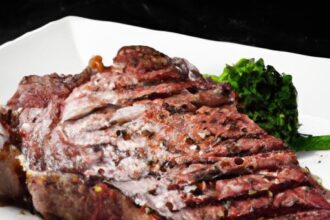



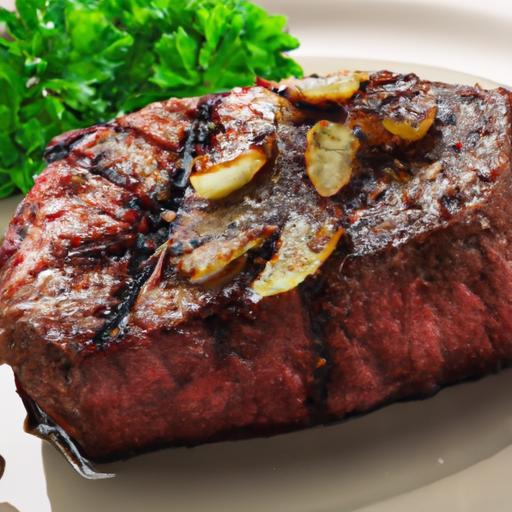
There’s something undeniably magnetic about the sound of a steak sizzling on a hot pan-the crackle, the aroma, the promise of a perfectly seared crust enclosing juicy, tender meat. Mastering the art of steak cooking transforms a simple meal into an extraordinary experience, elevating flavors adn delighting the senses. Whether you’re a kitchen novice or a seasoned cook aiming to sharpen your skills, “Sizzle to Perfection: Your Easy Guide to Steak Mastery” is here to unlock the secrets behind that flawless steak.From selecting the ideal cut to nailing the perfect sear and resting technique, this guide will equip you with everything you need to turn steak night into a masterpiece. Get ready to fire up your skillet and embark on a culinary journey that celebrates the sizzle, the sear, and the succulent perfection of steak.
Sizzle to perfection starts with selecting the perfect cut, understanding how to season and marinate with finesse, mastering heat control for an impeccable sear, and resting the steak just right to unlock its full flavor potential. Whether you crave the tender richness of a ribeye, the lean elegance of a filet mignon, or the bold bite of a New York strip, knowing which cut complements your taste and cooking style elevates every steak experience.
Prep and Cook Time
- preparation: 15 minutes
- Marinating (optional): 30 minutes to 2 hours
- Cooking: 8 to 12 minutes depending on thickness and doneness
- Total Time: 23 to 29 minutes (or longer if marinating)
Yield
- Serves 2 to 4 steak lovers, depending on cut and appetite
Difficulty Level
- Medium – perfect for beginners eager to elevate their steak game
Ingredients
- 2 prime cuts of steak (ribeye, new York strip, filet mignon) – about 10-12 oz each
- 1 tablespoon kosher salt
- 1 teaspoon freshly ground black pepper
- 2 tablespoons extra virgin olive oil
- 3 cloves garlic, crushed
- 2 sprigs fresh rosemary or thyme
- Optional marinade: ¼ cup soy sauce, 2 tablespoons honey, 1 tablespoon Dijon mustard
- Butter for basting (about 2 tablespoons)
Instructions
- Choose and prepare your steak: Begin by selecting thick, quality cuts. Pat steaks dry with paper towels to encourage a crisp sear, then season generously with kosher salt and black pepper on both sides.
- Marinate (optional): In a small bowl, whisk soy sauce, honey, and Dijon mustard. Place steaks in a ziplock bag with the marinade and refrigerate 30 minutes to 2 hours.Remove steaks an hour before cooking to reach room temperature.
- preheat your pan: Heat a heavy cast-iron skillet over high heat until very hot – almost smoking. This intense heat is the secret to that coveted golden crust.
- Add olive oil and aromatics: Swirl in olive oil, then add garlic cloves and fresh herbs to infuse the fat as the steak cooks.
- Sear the steak: Place steaks in the hot skillet, laying them away from you to prevent splatter. Sear without moving for 3-4 minutes until a deep crust forms. Flip and sear the other side for another 3-4 minutes.
- Optional butter baste: Lower the heat to medium-low, add butter to the pan, and tilt the skillet. using a spoon, baste the steaks continuously with the melted butter and herb mixture for 1-2 minutes to enhance juiciness.
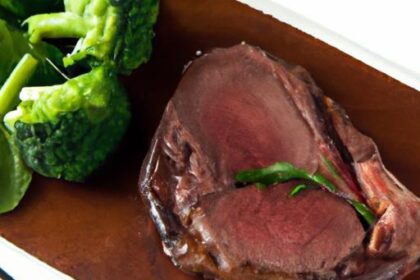
- Check doneness: Use an instant-read thermometer-120°F for rare, 130°F medium-rare, 140°F medium. Remove steaks just shy of your target as they will continue to cook while resting.
- Rest your steak: Transfer to a warm plate and tent loosely with foil. Rest for 5 to 10 minutes to redistribute juices and ensure every bite is tender and flavorful.
- Slice and serve: Cut across the grain and garnish with a sprinkle of flaky sea salt or finishing herb sprigs. Revel in the perfect balance of smoky crust and succulent interior.
Chef’s Notes and Tips for Success
- Choosing the right cut: ribeye offers marbled richness, ideal for slow renders of flavor. Filet mignon’s buttery texture is best for those desiring tenderness over chew. New York strip strikes a bold balance.
- Salt early, season often: Salt your steak at least 40 minutes before cooking or right before the pan. This promotes deep flavor penetration and better crust formation.
- Don’t overcrowd the pan: cook steaks in batches if needed to maintain high heat essential for sizzling perfection.
- Use a thermometer: For consistent results, rely on a digital meat thermometer rather than guesswork.
- Butter baste for luxury: This imparts richness and keeps surface proteins moist, amplifying aroma and taste.
- Make ahead: Marinate the day before for a flavor boost, or season and rest steaks overnight in the fridge for dry brining.
Serving Suggestions
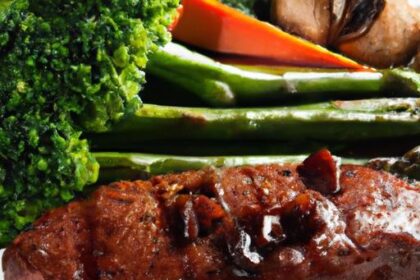
Present your steak atop a warm wooden board or rustic plate for visual contrast. Pair with roasted garlic mashed potatoes, grilled seasonal vegetables, or a crisp arugula salad dotted with shaved Parmesan. Garnish with freshly chopped parsley or a sprig of rosemary to elevate the plate’s earthy allure.

| Nutrient | Amount per Serving |
|---|---|
| Calories | 570 kcal |
| Protein | 48 g |
| Carbohydrates | 4 g |
| Fat | 38 g |
For a deeper dive into steak cuts and grilling techniques, check out our Ultimate Steak Cuts Guide. You may also find the Serious Eats Food Lab’s complete steak mastery an invaluable external resource.
Q&A
Q&A: Sizzle to Perfection – Your Easy Guide to Steak Mastery
Q1: What’s the secret to achieving the perfect sear on a steak?
A1: The secret lies in high heat, patience, and a dry surface. Make sure your steak is patted dry before it hits the pan or grill-moisture is the enemy of a good crust. Preheat your skillet or grill until it’s smoking hot, then place the steak down without moving it for a few minutes. This contact creates the Maillard reaction, that glorious golden-brown crust packed with flavor.
Q2: How do I choose the right cut of steak for beginners?
A2: For steak mastery newbies,ribeye and striploin are fantastic starting points. They offer a balance of tenderness and marbling that’s forgiving during cooking. Ribeye is rich and juicy with large streaks of fat, while striploin is leaner but still full of savory flavor. Once agreeable, exploring cuts like flank or hanger steak takes things up a notch.
Q3: When it comes to seasoning, is less more?
A3: Absolutely! Sometimes simplicity reigns supreme. A generous sprinkle of coarse salt and freshly cracked black pepper before cooking is frequently enough all you need. This lets the natural flavor of the beef shine. for those feeling adventurous,a touch of garlic powder or smoked paprika can add a subtle twist without overpowering the star of the show.Q4: How do I no when my steak is cooked just right?
A4: forget the guesswork-your hand is a reliable guide! Press the fleshy part of your palm beneath your thumb: relaxed for rare, firmer for medium, and tight for well-done. Alternatively, an instant-read thermometer takes the hassle out: 125°F for rare, 135°F for medium-rare, 145°F for medium. Rest your steak for 5-10 minutes after cooking; this juicy pause lets the juices redistribute for maximum flavor.
Q5: Should I marinate my steak or stick to dry seasoning?
A5: Both have their merits. Dry seasoning lets the pure beef flavor shine and is rapid and convenient. Marinating adds complexity and can help tenderize tougher cuts with acidic ingredients like citrus juice or vinegar alternatives.Just remember, marinate for no more than 2 hours for tender cuts to avoid ‘cooking’ the meat prematurely.Q6: What’s the role of butter or oil during cooking?
A6: Butter adds a luscious richness and helps develop flavor as it browns, but it burns at lower temperatures. Cooking initially in a high smoke-point oil like avocado or grapeseed oil ensures a great sear without burning.Toward the end, adding butter along with aromatics like garlic or herbs creates a flavor-packed basting sauce to spoon over your steak for that luxurious finish.
Q7: How important is resting after cooking?
A7: Resting is crucial-it transforms a good steak into a great one. When you take the steak off the heat, the juices rush toward the center.Letting it rest allows those juices to redistribute evenly, preventing a dry, sad steak on the plate. tent it loosely with foil for 5-10 minutes, and watch your steak’s flavor and tenderness soar.
Q8: Can I grill steak indoors if I don’t have an outdoor grill?
A8: You sure can! Cast iron skillets and grill pans mimic the intense heat and ridges of a grill. Just heat it until it’s almost smoking, add a little oil, and get ready for that satisfying sizzle. For an extra smoky touch, toss in a small handful of soaked wood chips on a tray beneath the stovetop or use a smoke-infuser tool designed for indoor use.
Q9: What’s a simple yet extraordinary side to serve with steak?
A9: Roasted garlic mashed potatoes or charred asparagus elevated with a squeeze of lemon are classic companions that complement steak’s richness beautifully. For a fresh crunch, a mixed green salad with peppery arugula and a light vinaigrette refreshes the palate without stealing the show.
Q10: Any final tip to elevate my steak game?
A10: Trust your senses and embrace creativity! Listen to the sizzle, watch how the crust develops, and smell those toasty aromas. Above all, enjoy the process. Steak mastery isn’t just a skill-it’s a savory adventure waiting on your stove or grill.
Future Outlook
Whether you’re a seasoned grill master or a curious newcomer, mastering the art of steak is a journey filled with flavor, technique, and a touch of culinary magic. With these easy-to-follow tips and sizzling insights, you’re well on your way to turning every cut into a mouthwatering masterpiece. So fire up that pan or grill, embrace the sizzle, and savor the satisfaction that comes from steak cooked to perfection-as great cooking is more than just a skill; it’s an experience to be savored, shared, and celebrated.