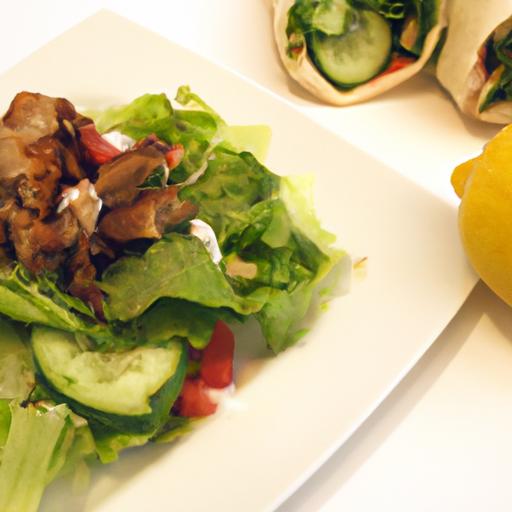


In the bustling streets of Damascus and beyond,the aroma of sizzling meat mingled with fragrant spices beckons food lovers to embark on a culinary adventure like no other. Syrian shawarma, a beloved staple of Middle Eastern cuisine, is more than just a flavorful wrap-it’s a vibrant tapestry woven from centuries of tradition, culture, and community. This article invites you on a savory journey through the origins, preparation, and regional variations of Syrian shawarma, uncovering the stories behind its tender slices of marinated meat and the iconic layers of fresh, crisp accompaniments. Prepare to savor not only the taste but the rich heritage that makes Syrian shawarma a timeless delight cherished across the world.
The art of Preparing Authentic Syrian Shawarma
Syrian Shawarma is a timeless delight that encapsulates centuries of Levantine culinary heritage. Originating from the bustling streets of Damascus and Aleppo, this savory wrap has evolved into a global sensation, renowned for its fragrant blend of spices, tender marinated meats, and vibrant accompaniments. The magic lies not just in the ingredients, but in the patience and technique – a true testament to the artistry behind every carefully stacked slice of meat slowly roasted on a vertical spit.
Prep and Cook Time
- Preparation Time: 25 minutes
- Marination Time: 4 to 6 hours (preferably overnight)
- Cooking Time: 45 minutes to 1 hour (pan or grill method)
Yield
Serves 4 hearty portions
Difficulty Level
Medium – requires marination and careful cooking technique
Ingredients
- 1 lb boneless chicken thighs, thinly sliced
- 3 tbsp plain yogurt (for tenderizing)
- 2 tbsp olive oil
- 1 tbsp ground cumin
- 1 tbsp ground coriander
- 1 tbsp smoked paprika
- 1 tsp ground cinnamon
- 1 tsp turmeric powder
- 1 tsp garlic powder
- 1 tsp ground allspice
- 1 tsp cayenne pepper (adjust to taste)
- Salt and freshly ground black pepper, to taste
- Juice of 1 lemon
- 4 large pita breads or flatbreads
- 1 cup shredded iceberg lettuce
- 1 large tomato, thinly sliced
- 1 small red onion, thinly sliced
- Fresh parsley, chopped, for garnish
- Tahini sauce or garlic yogurt sauce, for serving
- Pickled turnips (optional, for authentic flair)
Instructions
- Marinate the Meat: in a large bowl, combine the yogurt, olive oil, lemon juice, and all spices (cumin, coriander, paprika, cinnamon, turmeric, garlic powder, allspice, cayenne, salt, and pepper). Mix thoroughly to create a rich marinade.
- Add the Chicken: Toss the thinly sliced chicken thighs into the marinade,ensuring each piece is well-coated.Cover and refrigerate for a minimum of 4 hours, ideally overnight, to maximize flavor absorption.
- Prepare the Cooking Surface: Heat a large cast-iron skillet or grill pan over medium-high heat.Lightly grease with olive oil to prevent sticking.
- Cook the Meat: Add the marinated chicken slices in batches, spreading them evenly. Sauté until golden and slightly charred at the edges, about 5-7 minutes per batch, stirring occasionally for even cooking.
- Keep Warm: Once cooked, transfer the chicken to a warm dish, and cover with foil to maintain moisture while finishing remaining batches.
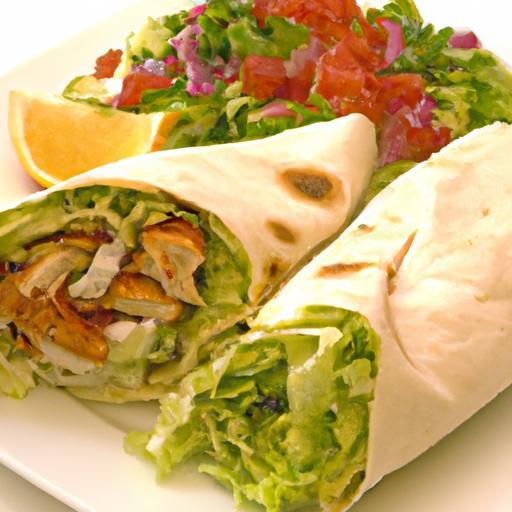
- Assemble the Shawarma: Warm pita breads slightly on the pan or in the oven. Generously layer each pita with shredded lettuce,tomato slices,red onion,and the warm spiced chicken. Drizzle tahini or garlic yogurt sauce on top and add pickled turnips if desired.
- Roll and Serve: Fold or roll the pita tightly to enclose the fillings. Garnish with chopped fresh parsley for color and freshness before serving.
Tips for Success
- Marinating time is key: the longer the meat soaks in the spices and yogurt, the more succulent and flavorful the shawarma will be.
- Opt for chicken thighs: Their higher fat content ensures juiciness and prevents drying out during cooking.
- Cooking technique: While traditionally cooked on a vertical spit, pan-searing allows for perfectly caramelized edges – essential for authentic flavor.
- Adjust spice heat: tweak cayenne and paprika quantities to suit your heat preference without compromising the characteristic warmth.
- Make ahead: marinated chicken can be prepared a day in advance; you only need to cook fresh before serving.
- For extra authenticity: Serve with traditional pickled turnips and a drizzle of garlic-infused tahini sauce.
Serving Suggestions
Present your Syrian Shawarma with vibrant side dishes such as tabbouleh or fattoush salad for a refreshing contrast.Offer crispy French fries alongside for a beloved street-food pairing. Wrap each generously filled pita in parchment paper for easy handheld enjoyment.garnish with lemon wedges and a sprinkle of sumac for additional zest and visual appeal.

| Nutritional Info (per serving) | Calories | Protein | Carbs | Fat |
|---|---|---|---|---|
| Syrian Shawarma | 420 kcal | 35 g | 28 g | 18 g |
For a deeper dive into Middle Eastern herbs and spices, check out our Mediterranean Spices Guide. To explore the cultural tapestry behind shawarma’s rise, visit Britannica’s Shawarma Entry.
Q&A
Q&A: Syrian Shawarma – A Flavorful Journey Through Tradition
Q1: What makes Syrian shawarma unique compared to other Middle Eastern shawarmas?
A1: Syrian shawarma stands out thanks to its harmonious blend of spices,marination techniques,and the balance of fresh ingredients. Unlike some variations that may focus heavily on heavy, smoky flavors, Syrian shawarma combines warm spices such as cumin, cardamom, and allspice with a bright, tangy garlicky marinade. The slow roasting on a vertical spit ensures tender, juicy meat with a subtly charred crust, delivering layers of flavor with each bite.Q2: What types of meat are traditionally used in Syrian shawarma?
A2: Traditionally, syrian shawarma features meats like chicken, lamb, and beef.These are carefully marinated to bring out their natural richness while absorbing aromatic spices.Each meat offers a different texture and flavor profile-from the succulent, slightly sweet notes of lamb to the lean and flavorful character of chicken.
Q3: How vital is the marinade in Syrian shawarma preparation?
A3: The marinade is essential-it’s the heart of the flavor journey. Syrian shawarma marinades often include garlic, lemon juice, olive oil, and a mixture of spices like nutmeg, coriander, and cinnamon. This combination tenderizes the meat and infuses it with a tantalizing aroma and taste that defines the shawarma experience.
Q4: What breads are commonly used to serve Syrian shawarma?
A4: Syrian shawarma is traditionally wrapped in soft,warm pita or laffa bread. These breads provide the perfect canvas-light and slightly chewy-to hold the layers of meat, fresh vegetables, and flavorful sauces without overpowering the dish. They also make it convenient for enjoying shawarma on the go.
Q5: Which fresh accompaniments are typical in Syrian shawarma wraps?
A5: Freshness is key in balancing the savory meat. Typical accompaniments include crunchy cucumbers, juicy tomatoes, tangy pickles, crisp onions, and fragrant parsley. These ingredients add refreshing textures and bright flavors that complement the rich, spiced meat beautifully.
Q6: What sauces traditionally accompany Syrian shawarma?
A6: Syrian shawarma is frequently enough paired with creamy garlic sauce known locally as “toum,” or a tahini-based drizzle. These sauces add layers of creamy, tangy, and nutty flavor that elevate the overall taste. They also mellow out the spices, creating a perfect harmony of flavors.
Q7: How has Syrian shawarma influenced global cuisine?
A7: Syrian shawarma has traveled far beyond its origins, inspiring countless chefs worldwide. Its vibrant flavor profile and versatile nature have made it a canvas for culinary creativity, from street food stalls to gourmet restaurants. importantly,its traditions remain rooted in cultural heritage,making every bite a connection to Syrian history and hospitality.
Q8: Can Syrian shawarma be enjoyed by vegetarians?
A8: While traditionally meat-centric, there are vegetarian twists inspired by shawarma flavors-using grilled vegetables, mushrooms, or spiced plant-based proteins marinated with traditional Syrian spices. These adaptations honor the spirit of shawarma by replicating its aromatic, layered taste in a meat-free form.
Q9: What role does community play in the tradition of Syrian shawarma?
A9: Shawarma is more than just food; it’s a social experience. In Syria, shawarma is frequently enough enjoyed in communal settings-street vendors bustling with conversation, family gatherings, and celebrations. It embodies warmth, sharing, and the joy of bringing people together through food.
Q10: How can someone recreate authentic Syrian shawarma at home?
A10: Recreating Syrian shawarma involves patience and care. Marinate quality cuts of chicken, lamb, or beef for several hours with a blend of Middle Eastern spices and lemon juice.Cook slowly on a grill or oven to mimic the spit-roasting effect, slice thinly, and serve wrapped in fresh pita with garlic sauce, pickles, and crunchy vegetables. Emphasizing fresh ingredients and balanced flavors will bring the authentic taste of Syrian shawarma to your table.
In Retrospect
As the layers of warm, spiced meat and vibrant accompaniments come together in the Syrian shawarma, so too do stories of heritage, craftsmanship, and community. This flavorful journey through tradition is more than just a culinary experience-it’s a appetizing bridge connecting past and present, home and hearth.Whether savored on a bustling Damascus street or recreated in kitchens around the world, Syrian shawarma remains a testament to the enduring power of food to tell a story, evoke memories, and bring people together, one savory bite at a time.