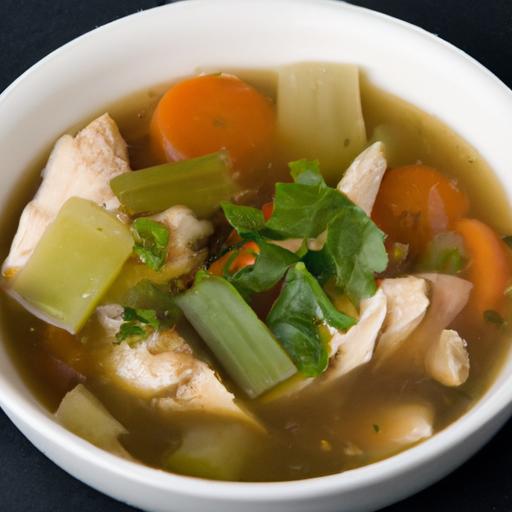





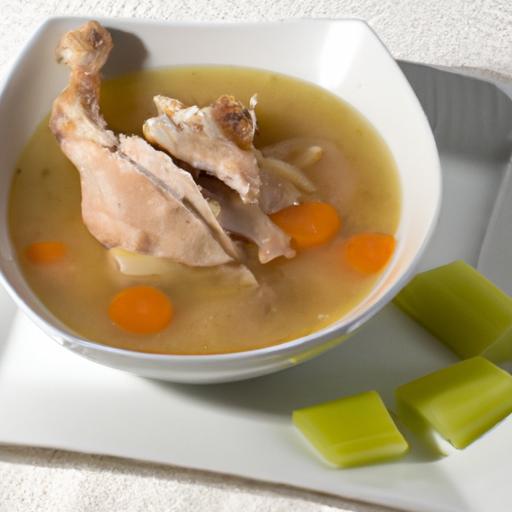
Few dishes carry the comforting embrace of home quite like a steaming bowl of classic chicken soup. For centuries, this humble elixir has transcended mere nourishment to become a symbol of warmth, healing, and care across cultures and generations. From its aromatic simmer in ancient kitchens to its revered place on modern-day sickbeds, chicken soup has woven itself into the fabric of human history-not just as a remedy for ailments, but as a culinary tale of tradition, resilience, and the timeless pursuit of wellness. In exploring the healing power and rich history of classic chicken soup,we uncover a story that is as nourishing to the soul as the soup itself is to the body.
The healing Power and History of Classic Chicken Soup
The Healing Power and History of Classic Chicken Soup begins with its deeply rooted origins in cultures across the globe, often regarded as the quintessential comfort food that nurtures both body and soul. From ancient times, this humble dish has been cherished not only for its nourishing qualities but also for its astonishing ability to ease cold and flu symptoms. Passed down thru generations, chicken soup’s timeless appeal lies in its simplicity and transformative warmth-qualities that elevate it far beyond mere sustenance.
Origins and Cultural Significance of Classic Chicken Soup
Tracing back to Jewish, Eastern European, and Asian culinary traditions, chicken soup was long praised as a remedy to strengthen the sick and invigorate the weary. The term “Jewish penicillin” emerged because of its reputed medicinal properties, while in Chinese culture, medicinal broths that emphasize healing herbs have shaped classic chicken soup’s advancement. The cultural significance of chicken soup revolves around its role in bringing families together during times of illness or party, symbolizing care, restoration, and resilience.
Prep and Cook Time
- Preparation: 20 minutes
- Cooking: 2 hours
- Total Time: 2 hours 20 minutes
Yield
Serves 6 hearty bowls
difficulty Level
Easy – Medium
Ingredients
- 1 whole organic chicken (about 3-4 lbs), cut into pieces
- 12 cups filtered water
- 2 large carrots, peeled and chopped
- 2 celery stalks, chopped
- 1 large yellow onion, quartered
- 4 garlic cloves, smashed
- 1 teaspoon whole black peppercorns
- 2 bay leaves
- 1 small bunch fresh thyme
- 1 teaspoon dried turmeric
- 1-inch piece fresh ginger, sliced thin
- Salt to taste
- Fresh parsley, chopped, for garnish
- Juice of 1 lemon (optional, for brightening)
- Egg noodles or rice (optional, cooked separately)
Instructions
- Prepare the broth: Place the chicken pieces in a large stockpot and cover with filtered water. Bring to a gentle boil over medium-high heat. Skim off any foam or impurities that rise to the surface using a fine mesh skimmer or spoon.
- add aromatics: Incorporate the carrots,celery,onion,garlic,peppercorns,bay leaves,fresh thyme,turmeric,and ginger. Reduce heat to a low simmer. Cover partially and let it cook gently for 1.5 to 2 hours,allowing flavors to meld and the chicken to tenderize beautifully.
- Check seasoning and clarity: About halfway through cooking, taste the broth and add salt gradually. For a crystal-clear broth, strain through a fine sieve.
- Remove the chicken: Carefully take out the chicken pieces. when cool enough to handle, shred the meat off the bones and set aside. Discard bones and skin if desired, or return to the pot for richer flavor.
- Strain the broth: pour the broth through a fine mesh sieve into a clean pot. Discard vegetable solids or repurpose in stock-based recipes.
- Assemble the soup: return shredded chicken to the broth, reheat gently. Add cooked egg noodles or rice if desired. taste one last time for seasoning; adjust salt or add lemon juice for a refreshing lift.
- Serve: Ladle soup into warm bowls and garnish with vibrant fresh parsley for visual brightness and herbal aroma.
Chef’s Notes & Tips for Success
- broth clarity: For the clearest broth, avoid rapid boiling and skim foam frequently.
- herbal enhancements: Try adding a sprig of rosemary or fresh oregano during the simmering stage for earthier complexity.
- Make ahead: Broth can be made 3 days in advance and refrigerated, or frozen up to 3 months. Reheat slowly to preserve delicate flavors.
- Vegetable variations: Add parsnips or leeks for deeper sweetness in your broth.
- Healing spices: Turmeric and ginger are powerful anti-inflammatories that complement immune-boosting properties naturally found in this soup.
Serving Suggestions
This classic chicken soup shines when served warm with a sprinkle of fresh parsley and a wedge of lemon on the side for an optional fresh zing. pair with crusty artisan bread or soft homemade dinner rolls to soak up the rich broth. For a heartier meal, serve alongside a crisp green salad with a lemon vinaigrette to balance the comforting richness.
| Nutrient | Per Serving |
|---|---|
| Calories | 180 kcal |
| Protein | 22 g |
| Carbohydrates | 8 g |
| Fat | 5 g |

Explore more nourishing recipes like this in our immune-boosting soups collection and learn about the science behind healing foods at NIAMS – National Institute of Arthritis and Musculoskeletal and Skin Diseases.
Q&A
Q&A: The Healing Power and History of Classic Chicken Soup
Q1: Why has chicken soup been called “nature’s remedy” for centuries?
A1: chicken soup’s reputation as a healing elixir dates back thousands of years as of its comforting warmth and nutrient-rich broth. Scientifically,the steam helps clear nasal passages,while the hot liquid soothes sore throats and replenishes lost fluids.The amino acids in chicken, like cysteine, have mild anti-inflammatory properties that may ease cold symptoms, supporting the idea that this humble dish is more than just a tasty meal-it’s a natural healer.
Q2: Where did the tradition of chicken soup as a medicinal food originate?
A2: the roots of chicken soup as a health tonic can be traced to several ancient cultures. In jewish tradition, known affectionately as ”Jewish penicillin,” it has been cherished for generations as a cure-all. Elsewhere, Chinese medicine incorporated chicken broth with herbs for immune support. Across cultures, the idea that nourishing soup can aid recovery demonstrates a global understanding of food’s powerful role in healing.
Q3: What makes classic chicken soup different from othre soups in terms of health benefits?
A3: Classic chicken soup is unique because it combines slow-simmered chicken parts, often including bones, with vegetables and aromatic herbs. The slow cooking releases collagen and minerals from the bones, enriching the broth with nutrients like calcium and magnesium. This mineral-packed broth can help support hydration and recovery. Plus, the vitamins from carrots, celery, and onions provide an immune-boosting punch.
Q4: How has chicken soup evolved throughout history?
A4: Chicken soup has evolved from a simple, rustic broth to a celebrated culinary staple around the world.Originally, it was a practical solution-using every part of the chicken to extend food supplies and create comfort during illness. Over time, it has been adapted with regional twists, such as adding noodles, rice, or dumplings, reflecting the cultural flavors while maintaining its nourishing essence. Despite these variations, the core principle remains: a warm, healing broth to restore body and soul.
Q5: Can chicken soup be beneficial beyond fighting colds?
A5: Absolutely! Beyond settling a sniffle, chicken soup provides balanced nutrition that can support overall wellness. Its hydration properties help maintain fluid balance, especially during dehydration from illness. The soup’s protein aids in tissue repair, while the vegetables contribute fiber and antioxidants. Many people find that the psychological comfort offered by a bowl of chicken soup also promotes emotional well-being, proving healing transcends the physical.
Q6: What’s the secret to making the moast healing, flavorful classic chicken soup?
A6: The secret lies in time, quality ingredients, and love. Begin with a whole chicken or chicken parts rich in collagen, simmer gently with fresh vegetables and herbs like thyme, parsley, and bay leaves. Patience is key-the slow simmer unlocks deep flavors and nutrients. Avoid rushing or boiling rapidly,as that can cloud the broth and diminish its richness. The final garnish of fresh herbs or a squeeze of lemon can brighten this timeless elixir, making it as restorative as it is indeed flavorful.
Q7: How do modern science and traditional wisdom come together in chicken soup?
A7: Modern research validates what ancient cooks intuited: chicken soup eases inflammation, relieves congestion, and hydrates the body. Studies have shown that the broth inhibits the movement of neutrophils, white blood cells involved in inflammation, potentially reducing cold symptoms. Simultaneously occurring, traditional wisdom emphasizes rest and nourishment, highlighting the holistic approach to healing. together, they paint a compelling picture of why chicken soup endures as a top pick for recovery.
Q8: what are some classic vegetables and herbs that enhance the healing properties of chicken soup?
A8: Carrots, celery, and onions form the backbone of classic chicken soup, providing vitamins A and C, antioxidants, and minerals. Garlic adds antimicrobial qualities, while fresh herbs such as parsley, thyme, and bay leaves contribute flavor and additional nutrients. These ingredients work symbiotically, creating a balanced mix of taste and therapeutic benefit that nourishes both body and spirit.
Chicken soup is more than just a dish-it’s a culinary bridge connecting us through history, culture, and healing. Whether enjoyed during times of illness or as a comforting meal, its warm embrace continues to soothe and restore across generations.
In Summary
From ancient kitchens to modern-day homes,classic chicken soup has long been more than just a comforting meal-it’s a timeless elixir that heals both body and spirit. Its rich history, steeped in tradition and nurtured by cultures around the world, reminds us that sometimes the simplest remedies carry the deepest wisdom. Whether sipped slowly on a chilly evening or shared in a moment of togetherness, chicken soup continues to nourish us in ways that transcend taste alone. So the next time you cradle a warm bowl, remember: you’re partaking in a healing ritual that has soothed generations-one spoonful at a time.