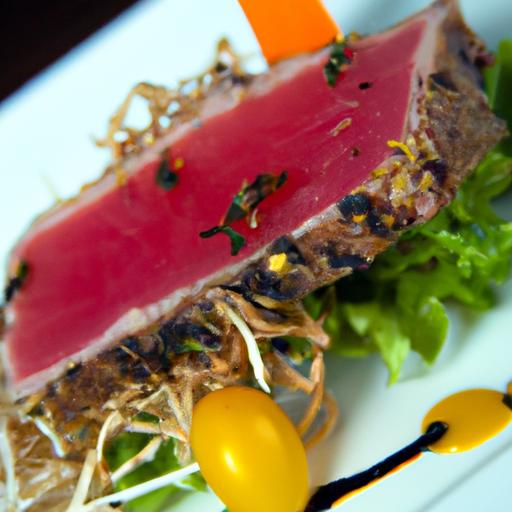


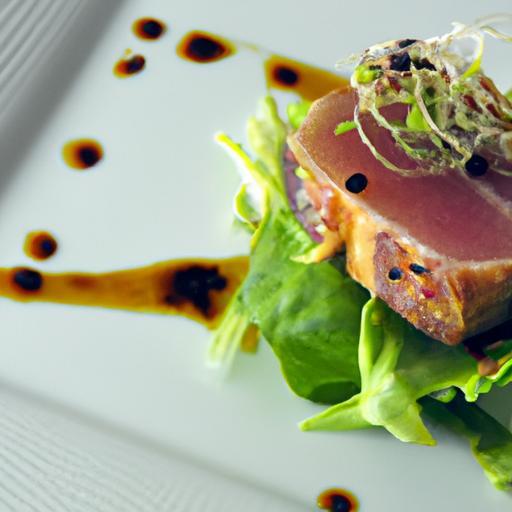
There’s something undeniably captivating about the sizzle of a perfectly seared tuna steak hitting a hot pan-the brief burst of heat that locks in the ocean’s essence while creating a tantalizing crust on the outside. Tuna, with its firm texture and rich, meaty flavor, offers a culinary canvas that invites both simplicity and sophistication. In this article, we’ll explore a straightforward yet foolproof recipe to achieve that coveted sear, ensuring every bite is a harmonious blend of savory depth and tender, melt-in-yoru-mouth freshness. whether you’re a seasoned home cook or a curious newcomer, prepare to unlock the secrets behind perfectly seared tuna and elevate your dining experience with minimal effort and maximum flavor.
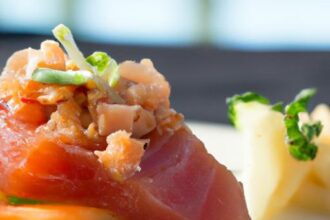
Perfectly seared tuna brings the ocean’s bounty to your plate with a sublime balance of texture and flavor. Selecting the finest cut forms the heartbeat of this dish, where freshness and quality determine the culinary experience. Imagine the meaty, ruby-red loin-firm yet supple, with a clean, briny aroma that promises a melt-in-your-mouth moment. Whether you prefer sushi-grade yellowfin or the buttery richness of bluefin, choosing tuna with a vibrant color and minimal scent is essential to achieve the ideal sear that locks in juice and taste.
Selecting the Finest Tuna for Optimal flavor and Texture
Start at your trusted fishmonger or specialty market where freshness is paramount. look for tuna steaks that are evenly cut, free from browning or dry edges, and with deep color saturation.Thicker cuts (about 1.5 to 2 inches) are ideal, allowing the inside to remain tender and rare while creating a crisp crust outside. If possible, ask for sashimi-grade tuna to ensure optimal safety and flavor integrity.
Mastering the Art of the Sear to Lock in Juiciness
Achieving that hypnotic crust while preserving the tuna’s natural juiciness is an art form. Heat your pan until it’s almost smoking hot; a cast iron skillet works best for its superior heat retention. Lightly coat the tuna in neutral oil with a high smoke point, such as grapeseed or avocado oil. Sear each side for about 1 to 1.5 minutes, depending on thickness, to create an enticing outer crust while leaving the interior glowing pink – a true delight for the palate.
Crafting the Ideal Marinade to Enhance Natural Tastes
A marinade should amplify the tuna’s oceanic freshness without overpowering it. A simple mixture of soy sauce, fresh ginger, garlic, and a hint of citrus zest introduces umami depth and subtle brightness. Marinate your steaks for 15 to 20 minutes, just enough for the flavors to infuse without curing the fish.This delicate balance enhances the sear’s contrast and layers complexity in every bite.
serving Suggestions to Elevate Your Tuna Experience
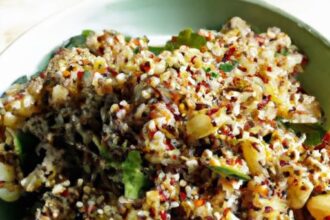
Present your perfectly seared tuna alongside a crisp arugula and fennel salad dressed lightly in lemon vinaigrette, or atop a bed of vibrant quinoa tossed with roasted cherry tomatoes. Garnish with toasted sesame seeds, thinly sliced scallions, and a drizzle of wasabi crema to elevate the sensory experience. The interplay of textures and colors not onyl complements the tuna but transforms your meal into a feast for the eyes and palate.
Prep and Cook Time
- Planning: 10 minutes
- Marinating: 15-20 minutes
- Cooking: 5 minutes
- Total: Approximately 30-35 minutes
Yield
Serves 2 elegantly hungry diners
Difficulty Level
Easy to Medium – perfect for home cooks eager to impress with minimal fuss
Ingredients
- 2 tuna steaks, 1.5 to 2 inches thick, sashimi-grade
- 2 tbsp soy sauce, low sodium preferred
- 1 tbsp fresh ginger, grated
- 1 garlic clove, finely minced
- Zest of 1 lemon
- 1 tbsp sesame oil
- 2 tbsp grapeseed or avocado oil (for searing)
- Freshly cracked black pepper, to taste
- Salt, to taste
- Toasted sesame seeds, for garnish
- Thinly sliced scallions, for garnish
Instructions
- prepare the marinade: In a shallow dish, whisk together soy sauce, grated ginger, minced garlic, lemon zest, and sesame oil to combine the fragrant umami base.
- Marinate the tuna: Place tuna steaks in the marinade, turning once to coat evenly. Cover and refrigerate for 15 to 20 minutes – avoid longer to prevent the fish from becoming too firm.
- Heat the pan: Preheat a cast iron skillet or heavy-bottom pan over medium-high heat until just smoking. Pat the tuna dry with paper towels to ensure a perfect sear.
- Sear the tuna: Lightly brush the tuna with grapeseed oil. Sear for 1 to 1.5 minutes on each side without moving, until a golden crust forms but the center remains pink and tender.
- Rest and slice: Transfer to a cutting board and let rest for 2 minutes. Slice thinly against the grain to showcase its beautiful color and texture.
- Plate and garnish: arrange slices on plates, sprinkle with toasted sesame seeds and scallions. Serve immediately with your choice of accompaniments.
Tips for Success
- Use a thermometer: If uncertain about doneness, aim for an internal temperature of 115°F (46°C) for rare tuna.
- Don’t crowd the pan: Sear one or two steaks at a time to maintain high heat and avoid steaming.
- Substitutions: For soy-free options, try coconut aminos as a marinade base.
- Make-ahead: Prepare marinade up to 24 hours ahead and store in the fridge for convenience.
- Enhance flavor: Add a touch of freshly grated wasabi or a squeeze of yuzu juice when serving for an extra layer of brightness.
Serving suggestions
For a vibrant presentation, pair slices with a crisp saffron-infused cauliflower rice or a refreshing cucumber and mint salad.Drizzle a delicate wasabi-lime dressing over the tuna for a zingy contrast. Garnishing with edible flowers or microgreens brings visual appeal and a nuanced herbal note, elevating your perfectly seared tuna into a culinary masterpiece.

| Nutrient | Per Serving |
|---|---|
| Calories | 250 kcal |
| Protein | 38 g |
| Carbohydrates | 3 g |
| Fat | 8 g |
For more insights on seafood seasoning, explore our Seafood Marination Techniques. To deepen your knowledge about tuna’s nutritional perks, visit the FDA’s guide on mercury in fish.
Q&A
Q&A: Perfectly Seared Tuna – A Simple Recipe to Savor Flavor
Q1: What makes seared tuna different from other tuna preparations?
A1: Seared tuna is all about the contrast between a beautifully caramelized outer crust and a tender, almost raw center. Unlike fully cooked tuna steaks, seared tuna preserves the fish’s natural buttery texture and fresh ocean flavor, delivering a sensory experience that’s both delicate and bold.
Q2: How do I choose the best tuna for searing?
A2: The key to perfect seared tuna starts with quality. Look for sushi-grade or sashimi-grade fresh tuna steak, vibrant in color with a deep red or pink hue. Tuna labeled as “loin” usually has a consistent texture and is ideal for even searing without drying out.Q3: What’s the secret to a perfect sear on tuna?
A3: High heat and speed are your best friends. Preheat your pan until it’s smoking hot before adding the tuna.This intense heat quickly creates a crispy, golden crust while keeping the inside rare and tender. avoid crowding the pan to maintain that sear.Q4: how long should I sear the tuna?
A4: Typically,tuna requires just 1 to 2 minutes per side. If you prefer your tuna sashimi-rare, stick to around 1 minute; for medium-rare, closer to 2 minutes. Timing depends on the thickness of your steak and desired doneness-less time equals a more translucent center.
Q5: Can I marinate tuna before searing?
A5: Absolutely! A quick marinade of soy sauce, sesame oil, garlic, and ginger can add depth without overpowering. Keep it brief-about 15 to 30 minutes-so the fish maintains its natural texture and isn’t overwhelmed by acidity or salt.
Q6: What are some simple seasonings to enhance the natural flavor of tuna?
A6: A sprinkle of sea salt, freshly ground black pepper, and a dash of sesame seeds is a classic combination. Fresh herbs like dill or cilantro can brighten the dish without masking the fish’s flavor. For a little heat, a touch of crushed red pepper flakes works wonders.
Q7: how do I serve seared tuna for maximum flavor impact?
A7: Serve it thinly sliced over a bed of crisp greens, or alongside vibrant elements like avocado, mango salsa, or pickled ginger. Drizzle with a citrus-based dressing or a light soy and lime sauce to complement rather than compete with the tuna’s natural taste.
Q8: Is seared tuna healthy?
A8: Yes! Tuna is rich in lean protein, omega-3 fatty acids, and essential nutrients like vitamin D and selenium. Because it’s seared quickly over high heat, it retains most of its nutrients, making it a wholesome and tasty choice.
Q9: Can I make this recipe without a stovetop?
A9: While a hot stovetop pan is ideal, you can also use a grill or even a cast-iron skillet heated on an electric burner.The important part is high, direct heat to achieve that signature sear. Avoid slow cooking methods, which will cook the tuna through rather than searing it.
Q10: What are some common mistakes to avoid when searing tuna?
A10: Overcooking is the biggest pitfall-tuna can quickly become dry and tough if left in the pan too long. Another is not drying the fish before seasoning; moisture blocks a good sear. don’t skip resting the tuna for a couple of minutes after searing; this lets flavors settle and juices redistribute.
Enjoy crafting a perfectly seared tuna that’s as visually stunning as it is flavorful-a true celebration of this magnificent fish!
in Retrospect
with its tender,melt-in-your-mouth interior and beautifully caramelized crust,perfectly seared tuna transforms a simple meal into a culinary celebration. This straightforward recipe invites both novice cooks and seasoned chefs to explore the delicate balance of heat, seasoning, and timing that brings out tuna’s true essence. Whether served atop a fresh salad, alongside roasted vegetables, or simply enjoyed on its own, this dish promises a flavorful experience that’s as notable as it is effortless.So next time you crave a taste of the sea, remember-mastering the art of searing tuna is not just cooking; it’s savoring every moment on the plate.