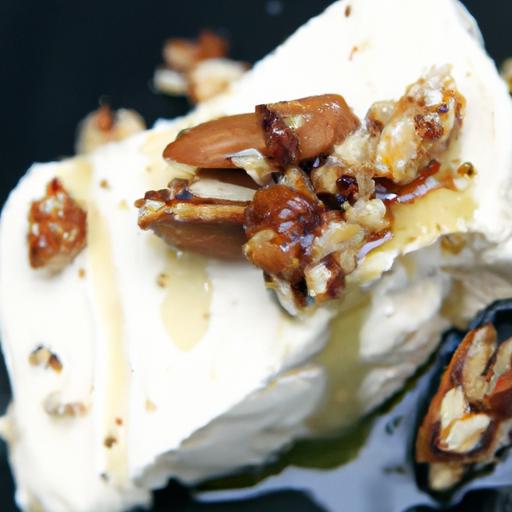



Nestled at the intersection of rich tradition and culinary innovation lies honey goat cheese-a delightful fusion that transforms the tangy creaminess of chèvre into an irresistible sweet treat. This enchanting pairing marries the earthy, velvety texture of fresh goat cheese with the golden nectar of honey, creating a harmonious balance that excites the palate and elevates everyday recipes. Whether drizzled over crisp salads, paired with crusty artisan bread, or enjoyed on its own, honey goat cheese offers a unique sensory experience that captivates food lovers and adventurous eaters alike. Join us as we explore the origins, flavor profiles, and creative uses of this sweet twist on creamy delight.
Honey goat cheese is a captivating flavor combination that marries the luscious sweetness of floral honey with the tangy creaminess of fresh goat cheese. This pairing creates an exquisite contrast in both taste and texture, elevating simple dishes into complex bites that tantalize the palate. Growing up in the Mediterranean, where local honey and goat cheese are staples, I’ve always cherished how this duo transforms everyday recipes into memorable culinary experiences. Let’s explore how to master this delightful union and inspire your kitchen adventures.
Prep and cook Time
- Readiness: 10 minutes
- Cook Time: 15 minutes (optional, for warm preparations)
- Total Time: 25 minutes
Yield
Serves 4 as an appetizer or snack
Difficulty Level
Easy – perfect for beginners and seasoned cooks alike
Ingredients
- 4 oz fresh goat cheese, at room temperature
- 3 tbsp quality honey (preferably wildflower or clover honey)
- 1 cup mixed crunchy nuts (toasted walnuts, almonds, or pistachios)
- fresh herbs for garnish (thyme, rosemary, or mint)
- Rustic bread or crisp crackers, for serving
- Optional: Fresh figs or sliced pears for added freshness
Instructions
- Prepare your base: Slice rustic bread or arrange crisp crackers on a serving platter. This delivers a perfect textural counterpoint to the creamy cheese and silky honey.
- Warm the honey gently: In a small saucepan over very low heat, warm the honey just until it becomes fluid (about 1-2 minutes). Avoid boiling to preserve delicate floral notes.
- Assemble the cheese dollops: Use a spoon or small ice cream scoop to place rounded portions of goat cheese atop the bread or crackers. Keep them evenly sized for lovely presentation.
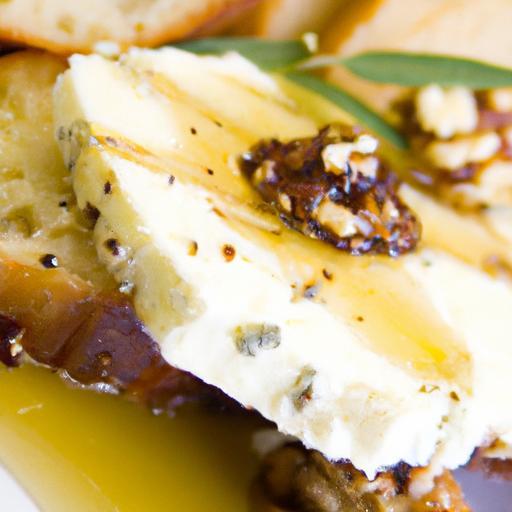
- Drizzle the honey: Generously spoon the warmed honey over each goat cheese mound. The warmth enhances the honey’s aroma and allows it to seep enticingly into the cheese’s crevices.
- Add crunchy texture: Sprinkle toasted nuts over each cheese and honey-topped bite to introduce a delightful crunch and nutty depth.
- Garnish artistically: Finish with fresh herbs and, if using, delicate slices of figs or pears. The fruit’s natural sweetness and juiciness provide a refreshing layer that balances the tart cheese and sweet honey perfectly.
- Serve immediately: Enjoy these elegant bites fresh to preserve the contrast between creamy, crunchy, sweet, and tangy.
Chef’s Notes: Tips for Success
- Choosing your honey: opt for varieties with bright, floral notes like acacia, orange blossom, or wildflower to complement the tangy goat cheese without overpowering it.
- Goat cheese varieties: Fresh, spreadable goat cheese offers the best balance of creaminess and tang. For a firmer option, try a young chèvre log sliced into medallions.
- Make it ahead: Toast nuts in advance and keep your honey warmed in a thermos for parties or entertaining.
- Texture variations: Add a sprinkle of flaky sea salt on top to enhance all the flavors; a touch of black pepper can also create an exciting twist.
- storage tips: Store leftover goat cheese wrapped in parchment paper inside an airtight container in the fridge. Honey keeps indefinitely but should be stored at room temperature to preserve its texture.
Serving Suggestions
Present your honey goat cheese creations on a wooden board accompanied by a medley of fresh fruit-think sliced quince, crisp apple wedges, and juicy grapes. A small dish of toasted seeds or chili-spiced nuts adds an unexpected burst of flavor. Drizzle extra honey tableside to invite guests to personalize their bites. For a colorful and elegant finishing touch, scatter edible flower petals or microgreens over your platter. These little accents make the dish not only a feast for the palate but also for the eyes.

| Nutrient | Per Serving |
|---|---|
| Calories | 220 kcal |
| Protein | 7 g |
| carbohydrates | 16 g |
| Fat | 14 g |
For more appetizing recipes featuring goat cheese, check out our ultimate goat cheese recipe guide. Learn how to further elevate your culinary creations with expert tips from Specialty Food Association.
Q&A
Q&A: Honey Goat Cheese – A Sweet Twist on Creamy Delight
Q1: What exactly is honey goat cheese?
A: Honey goat cheese is a luscious blend of creamy goat cheese swirled or drizzled with natural honey. This pairing combines the tangy, earthy flavors of fresh goat cheese with the floral sweetness of honey, creating a balanced, harmonious taste that delights the palate.
Q2: How does honey enhance the flavor of goat cheese?
A: Honey adds a gentle floral sweetness that softens goat cheese’s natural tanginess, creating a rich, multidimensional flavor. The contrast between the creamy texture of the cheese and the syrupy smoothness of honey creates a luscious mouthfeel that’s both comforting and intriguing.
Q3: What makes goat cheese unique compared to other cheeses?
A: Goat cheese, frequently enough called chèvre, is known for its soft texture and tangy, fresh flavor. Unlike cow’s milk cheeses, goat cheese carries distinctive earthy and grassy notes, thanks to the unique composition of goat’s milk, which gives it a lighter, often more digestible profile.Q4: Can honey goat cheese be enjoyed on its own, or is it best paired with other foods?
A: Honey goat cheese is versatile! It shines beautifully on its own as a snack or appetizer, yet it also pairs wonderfully with fresh fruits like figs, pears, and apples.Spread it on crusty bread or crackers for a quick treat, or incorporate it into salads and grain bowls to add a touch of sweet creaminess.Q5: What types of honey work best with goat cheese?
A: The best honey varieties for goat cheese are those with a mild floral or fruity profile, such as clover, wildflower, or orange blossom honey. These honeys complement without overpowering the cheese’s delicate flavors. However, experimenting with more robust honeys like buckwheat can offer a deeper, richer contrast for adventurous palates.
Q6: How can I make honey goat cheese at home?
A: Making honey goat cheese at home is simple: start with a fresh log or wheel of goat cheese, and gently drizzle your favorite honey over the top.For an extra touch, add a sprinkle of crushed nuts, fresh herbs like thyme, or a pinch of cracked black pepper to enhance complexity and texture.
Q7: Is honey goat cheese suitable for special dietary needs?
A: Yes! Goat cheese tends to be easier to digest for those sensitive to cow’s milk, thanks to its different protein and fat composition. Honey adds natural sweetness without refined sugars, making this combination a wholesome, minimally processed indulgence. Just be mindful that honey isn’t recommended for infants under one year old.
Q8: How should honey goat cheese be stored for optimal freshness?
A: Keep honey goat cheese wrapped tightly in parchment or wax paper, then store it in an airtight container in the refrigerator.Honey’s natural sugars can crystallize over time, so if you notice thickened honey, gently warm it before drizzling for a smooth finish.
Q9: What occasions are perfect for serving honey goat cheese?
A: Honey goat cheese is ideal for elegant appetizers,casual charcuterie boards (sans pork!),picnic spreads,or even as a breakfast treat. Its sophisticated yet approachable flavor makes it a crowd-pleaser for intimate dinners, brunches, or festive gatherings.
Q10: Can honey goat cheese be incorporated into cooked dishes?
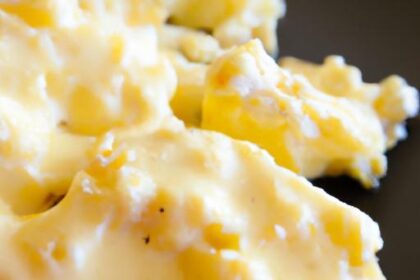
A: Absolutely! Honey goat cheese adds a creamy-sweet dimension when melted into warm dishes. Try it stirred into risottos,folded into scrambled eggs,or dolloped on roasted vegetables. The gentle heat enhances the cheese’s softness and melds beautifully with the honey’s warmth, elevating everyday meals with a gourmet touch.
The Conclusion
Whether drizzled atop a fresh salad, swirled into a luscious dessert, or simply spread on crusty bread, honey goat cheese offers a harmonious dance of flavors that intrigues and delights the palate. This sweet twist on creamy delight not only elevates everyday dishes but also invites culinary creativity, proving that the marriage of tangy goat cheese and golden honey is nothing short of magical. As you explore this luscious pairing,let honey goat cheese inspire you to savor the unexpected and celebrate the art of flavor fusion in every bite.