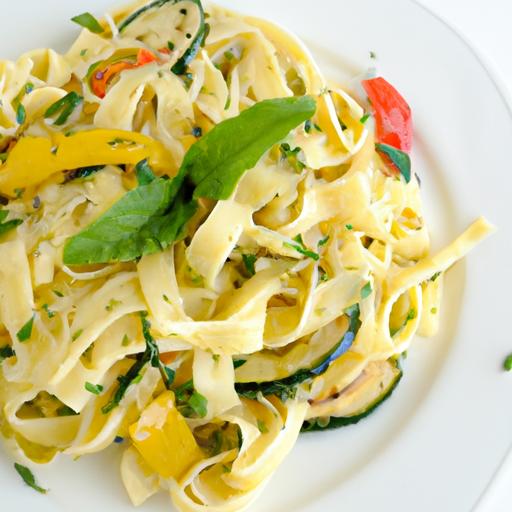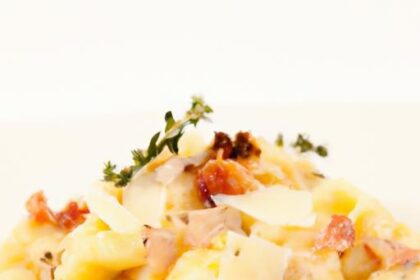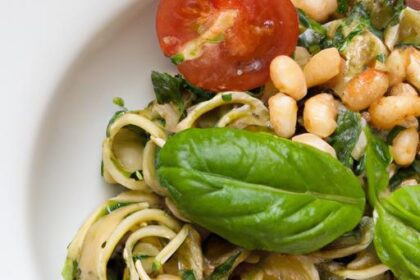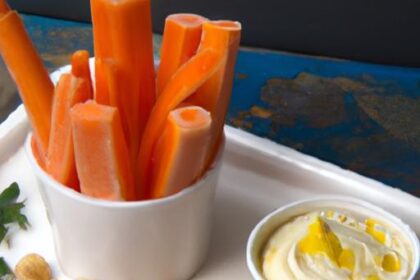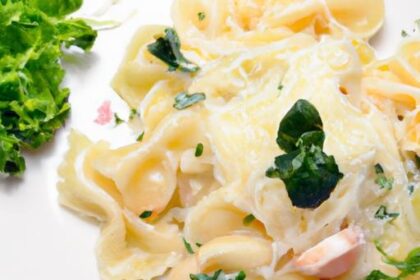



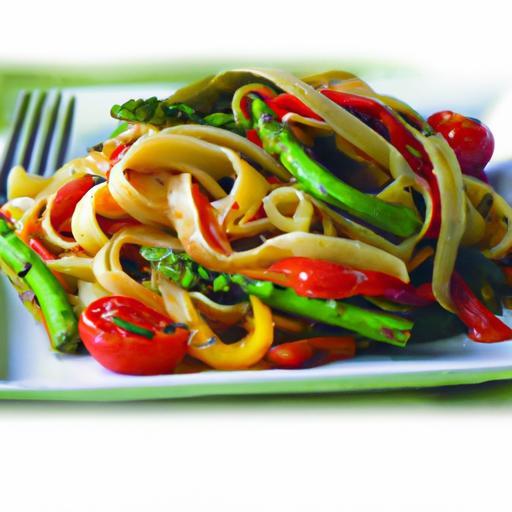
Bursting with a vibrant palette of garden-fresh vegetables and tender strands of perfectly cooked pasta, Pasta Primavera is more than just a dish-it’s an invitation to celebrate the joy of seasonal abundance on yoru plate. Originating from the sunny landscapes of Italy yet embraced worldwide, this culinary classic transforms simple ingredients into a symphony of flavors and colors that dance with every bite. In this article, we’ll explore the origins, essential components, and creative variations of Pasta Primavera, revealing why it continues to captivate food lovers seeking a fresh, flavorful, and colorful dining experiance.
Pasta Primavera: Fresh Flavors in Every Colorful Bite
Pasta primavera is a celebration of freshness and vibrancy, bursting with the bright bounty of the season’s best vegetables. This dish, brimming with crisp textures and aromatic herbs, showcases fresh flavors in every colorful bite-inviting you to savor the garden’s gifts with each forkful. Originating in the 1970s as a playful ode to spring vegetables in Italian-American cuisine, it has become a timeless classic that’s as visually stunning as it is appetizing.
Prep and Cook Time
- Preparation Time: 20 minutes
- Cooking Time: 15 minutes
- Total Time: 35 minutes
Yield
Serves 4 hearty portions
Difficulty Level
Easy to medium – perfect for both home cooks and aspiring chefs
Ingredients
- 12 oz fusilli or farfalle pasta (both hold sauce beautifully)
- 1 cup zucchini, thinly sliced into half-moons
- 1 cup yellow squash, thinly sliced
- 1 cup cherry tomatoes, halved
- 1 cup asparagus tips, cut into 1-inch pieces
- 1 cup bell peppers (red, yellow, and orange), julienned
- 3 cloves garlic, finely minced
- 1/4 cup extra virgin olive oil
- 1/2 cup vegetable broth, preferably homemade or low-sodium
- 1 tbsp freshly squeezed lemon juice
- 1 tsp lemon zest
- 1/2 cup freshly grated Parmesan cheese (optional for garnish)
- 1/4 cup fresh basil leaves, chiffonade
- 2 tbsp fresh parsley, chopped
- Salt and freshly ground black pepper to taste
Instructions
- Cook the pasta: Bring a large pot of salted water to a boil. Cook the fusilli or farfalle until al dente, about 8-10 minutes. Reserve 1 cup of pasta water before draining to adjust sauce consistency later.
- Sauté the garlic: In a large skillet, heat the olive oil over medium heat. Add the minced garlic and sauté until fragrant but not browned, about 1 minute.
- Add the vegetables: Toss in the zucchini,yellow squash,bell peppers,and asparagus tips. Sauté,stirring gently,until they are tender-crisp,approximately 5 minutes. The vegetables should retain their bright colors and a slight crunch.
- Brighten with tomatoes and lemon: Add the halved cherry tomatoes and cook for another 2 minutes just to soften them.Stir in lemon juice and zest to amplify the fresh flavors.
- Incorporate vegetable broth: Pour in the vegetable broth to deglaze the pan, stirring to pick up any flavorful bits stuck to the bottom. Let it simmer for 2 minutes to reduce slightly.
- Combine pasta and sauce: Add the drained pasta directly into the skillet with the vegetables. Toss gently, adding reserved pasta water a little at a time until the mixture is glossy and lightly saucy.
- Finish with herbs and seasoning: Fold in fresh basil and parsley. Season to taste with salt and freshly ground black pepper, adjusting brightness with an extra splash of lemon juice if desired.
- Plate and garnish: Serve immediately, garnished with Parmesan cheese if you like, and a drizzle of high-quality olive oil for an extra layer of richness.
Chef’s Notes: Tips for Success
- Choose pasta shapes with ridges or pockets like fusilli or farfalle-they trap the light sauce and cling to tender vegetables for a perfect bite every time.
- Don’t overcook the vegetables; retain their snap and vivid colors to evoke the freshness at the heart of pasta primavera.
- For a dairy-free version, skip the Parmesan and boost umami with nutritional yeast or a touch of toasted pine nuts.
- Make this dish ahead by keeping pasta and vegetables separate; toss together just before serving to keep the sauce fresh and vibrant.
- Use homemade vegetable broth or a quality store-bought version to deepen flavor without heaviness.
Serving Suggestions
Serve pasta primavera in wide, shallow bowls to showcase the vibrant array of vegetables.Sprinkle fresh basil and parsley on top, along with cracked black pepper and a light drizzle of olive oil for gloss. Accompany the dish with a crisp green salad tossed with lemon vinaigrette and a crusty, artisan bread to soak up every luscious drop. For a wine pairing that complements fresh flavors in every colorful bite, explore crisp Sauvignon Blanc or a dry Rosé, enhancing the brightness of the dish without overpowering it.
| Nutrient | Per Serving |
|---|---|
| Calories | 370 |
| Protein | 12g |
| Carbohydrates | 58g |
| Fat | 8g |

If you love exploring garden-to-table meals, also check out our detailed guide on Seasonal Vegetable Pasta Recipes to keep your dishes fresh and exciting all year round.
For more on assembling vibrant vegetable dishes, visit Healthline’s Guide to Healthy Vegetables and discover the nutritional power behind each colorful bite.
Q&A
Q&A: pasta Primavera – Fresh Flavors in Every Colorful Bite
Q1: What exactly is Pasta Primavera?
A1: Pasta Primavera is a vibrant Italian-inspired dish that celebrates fresh, seasonal vegetables tossed with pasta. it’s a festival of colors, textures, and garden-fresh flavors that come together in a light, flavorful medley-perfect for spring and summer meals.
Q2: Where did the name “Primavera” come from?
A2: “Primavera” means “spring” in Italian, reflecting the dish’s reliance on fresh, tender vegetables ofen harvested in early spring. The name captures the essence of the meal: bright, fresh ingredients bursting with the season’s vitality.
Q3: What kinds of vegetables typically go into Pasta Primavera?
A3: Think colorful bell peppers, cherry tomatoes, asparagus, zucchini, sugar snap peas, carrots, and fresh herbs like basil or parsley. The beauty of Pasta Primavera lies in its adaptability-any fresh vegetable you love can shine here.
Q4: Can Pasta Primavera be made in advance?
A4: While Pasta Primavera is best enjoyed fresh to preserve the crispness of the vegetables, you can prep the veggies in advance and cook the pasta just before serving. This way, the dish remains lively and fresh with every bite.
Q5: What type of pasta works best for Primavera?
A5: Classic choices include linguine,fettuccine,or penne-pasta shapes that hold onto the sauce and mingle well with the vegetables. But feel free to choose your favorite variety; the key is to cook it al dente for a perfect bite.
Q6: Is Pasta Primavera suitable for vegetarians or vegans?
A6: Absolutely! The conventional recipe is naturally vegetarian and can easily be made vegan by swapping out cheese for plant-based alternatives or simply omitting it. The star players are the veggies and pasta, which keep it light and flavorful for everyone.
Q7: How do you achieve a balance of flavors in Pasta Primavera?
A7: Balancing acidity, freshness, and richness is key. The brightness of fresh lemon juice or a splash of good-quality olive oil, combined with a hint of garlic and fresh herbs, makes the dish sing. The vegetables provide natural sweetness and crunch, while the pasta offers comfort and substance.
Q8: What tips can definitely help keep the vegetables vibrant and crisp?
A8: Swift cooking is essential-sauté or blanch vegetables just until tender-crisp. Overcooking can dull colors and textures. Also, consider adding some vegetables raw or lightly roasted for texture contrast and maximum freshness.
Q9: Can Pasta Primavera be customized to suit different tastes or diets?
A9: Yes! This dish is incredibly versatile. Swap in your favorite seasonal vegetables or try gluten-free pasta if needed. Add nuts or seeds for extra crunch, or sprinkle nutritional yeast as a savory, vegan-kind garnish.
Q10: What makes pasta Primavera a perfect dish for sharing or entertaining?
A10: Its vibrant presentation and inviting colors create an eye-catching centerpiece. The fresh, light flavors appeal to a wide audience, making it an ideal crowd-pleaser that feels both special and effortlessly homemade. Plus, it’s quick to prepare, so you spend less time in the kitchen and more time savoring the moment with guests.
The Conclusion
As the last forkful of Pasta Primavera delights the palate, it’s clear that this vibrant dish is more than just a meal-it’s a celebration of nature’s freshest offerings harmonizing in every colorful bite. From the crisp snap of garden-fresh vegetables to the gentle embrace of al dente pasta, each ingredient plays a starring role in creating a symphony of flavors that’s as nourishing as it is beautiful. Whether enjoyed as a light lunch or an elegant dinner, pasta Primavera invites you to savor the seasons and savor the simple joy of fresh, wholesome ingredients coming together in perfect harmony. So next time you crave a meal that’s both wholesome and bursting with color, remember: with Pasta Primavera, freshness isn’t just an ingredient-it’s the heart of the experience.