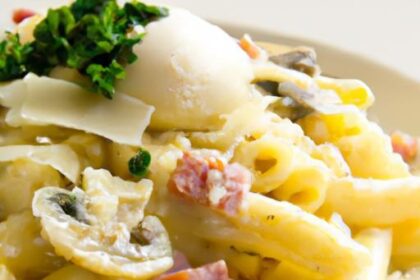


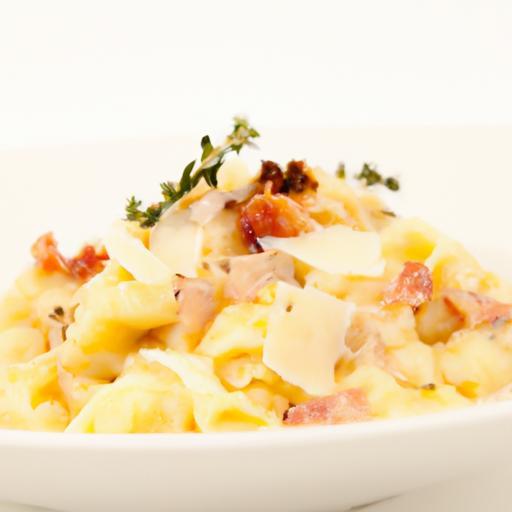
There’s a certain magic in the simplicity of Italian cuisine, where a handful of humble ingredients can come together to create a dish that transcends time and trend. Among these culinary treasures, pasta Carbonara stands out as a creamy, comforting classic that captures the vrey essence of Italy’s rich food heritage. With its silky sauce, crispy pancetta, and a sprinkle of Pecorino Romano, Carbonara is more than just a meal-it’s a story told with every bite, blending tradition, technique, and a touch of Roman flair. Join us as we explore the timeless charm of Pasta Carbonara, uncovering the history, the secrets, and the irresistible allure of this beloved Italian favorite.
Pasta Carbonara embodies the essence of Italian culinary artistry, transforming a handful of simple ingredients into a luxurious, creamy experience without a single drop of cream. Rooted deeply in Roman tradition,this dish has been cherished for generations,combining rustic pantry staples to create an indulgent yet approachable meal. Its silky texture,achieved solely through eggs,cheese,and pasta water,makes it a true testament to the elegance of minimalist cooking.
Prep and Cook Time
- Planning Time: 10 minutes
- Cook Time: 15 minutes
- Total Time: 25 minutes
Yield
- Serves 4 hungry guests
Difficulty Level
- Medium – requires timing and technique for the perfect creamy sauce
Ingredients
- 400g (14 oz) spaghetti or your preferred long pasta
- 3 large free-range eggs (room temperature)
- 1 cup freshly grated Pecorino Romano cheese
- Freshly cracked black pepper, to taste
- 2 tablespoons olive oil
- 150g (5 oz) smoked turkey bacon, finely diced
- 2 cloves garlic, peeled and lightly crushed
- Salt for pasta water
Instructions
- Bring a large pot of salted water to a boil. Add the spaghetti and cook until al dente, about 8-9 minutes. Reserve 1 cup of pasta water before draining.
- Meanwhile, whisk together the eggs, Pecorino Romano, and a generous amount of cracked black pepper in a bowl until smooth and slightly frothy. Set aside.
- Heat the olive oil in a large skillet over medium heat. Add the garlic cloves and diced smoked turkey bacon. Sauté until the bacon is golden and crisp, about 5-6 minutes, then discard the garlic.
- Transfer the drained pasta immediately to the skillet with the bacon, tossing to coat in the flavorful oil.
- Remove the pan from heat. Slowly pour the egg and cheese mixture over the pasta,tossing vigorously to coat every strand. slowly add reserved pasta water, a little at a time, to create a luscious, creamy sauce without scrambling the eggs.
- continue tossing for 1-2 minutes until the sauce thickens and clings smoothly to the pasta.
- Adjust seasoning with additional Pecorino and black pepper, if desired. Serve immediately, savoring the silky texture.
Tips for Success
- Temperature Matters: Remove the skillet from direct heat before adding the egg mixture to avoid scrambling, ensuring a silky, smooth sauce.
- Cheese Choice: Pecorino Romano delivers a sharp, salty bite, but you can partially substitute with Parmigiano-Reggiano for a subtler flavor.
- Turkey Bacon: Provides the smoky richness without pork, maintaining authenticity with a twist.
- Make-Ahead: Pre-grate cheese and whisk eggs in advance, but combine and serve immediately for best texture.
- Vegan Note: For plant-based adaptations, try silken tofu blends or cashew creams, though the original creamy texture can be challenging to replicate perfectly.
Serving Suggestions
Present this masterpiece on warm plates to maintain its silky charm. Garnish with an extra dusting of Pecorino Romano and a fresh grind of black pepper.A few sprigs of fresh flat-leaf parsley add color and a subtle herbaceous contrast. For a sophisticated dining experience, serve alongside a crisp green salad featuring arugula, fennel, and lemon vinaigrette. To complement the gentle richness, a chilled glass of sparkling mineral water is ideal.
| Nutritional Aspect | Per Serving |
|---|---|
| Calories | 460 kcal |
| Protein | 22 g |
| Carbohydrates | 55 g |
| Fat | 15 g |
For further inspiration on traditional Italian pasta dishes, check out our guide on Classic Italian Pasta Recipes. Also, explore more about the intriguing history behind pasta from authoritative sources such as Britannica’s Italian Cuisine Overview.

Q&A
Q&A: The Timeless Charm of Pasta Carbonara: Italy’s creamy Classic
Q1: What makes Pasta Carbonara such an enduring favorite in Italian cuisine?
A1: Pasta Carbonara captivates with its delightful simplicity and rich, creamy texture that embraces every bite. It harmoniously combines just a handful of ingredients,transforming humble staples like eggs,cheese,and pasta into a luxurious dish that feels both comforting and sophisticated. Its timeless appeal lies in this balance of ease and indulgence, making it a dish that resonates across generations.
Q2: How is the creamy sauce in Pasta Carbonara traditionally achieved?
A2: Unlike manny creamy pasta dishes, the luscious sauce in classic Carbonara comes not from cream but from the magic of eggs and finely grated cheese, such as Pecorino Romano or Parmigiano-Reggiano. When combined with hot pasta and a splash of pasta cooking water, the mixture gently emulsifies to create a silky, velvety coating that clings perfectly to each strand.
Q3: What type of pasta is traditionally used in Carbonara, and why?
A3: Spaghetti is the iconic choice for Carbonara, beloved for its slender, long shape that elegantly cradles the creamy sauce. However, other pasta like rigatoni or bucatini-with their ridges and tubes-can also be excellent, catching little pockets of sauce and delivering bursts of flavor with every forkful.
Q4: can Carbonara be made without meat and still be authentic?
A4: While traditional Carbonara often features cured meat elements, its soul lies in the creamy egg-cheese emulsion and perfectly cooked pasta. By focusing on these core components and perhaps highlighting aromatic ingredients like freshly cracked black pepper and a hint of garlic oil, you can craft a wonderfully authentic and satisfying Carbonara experience that honors simplicity.
Q5: What are some tips to avoid scrambling the eggs when making Carbonara sauce?
A5: The secret to silky Carbonara sauce is gentle heat and swift mixing. To prevent the eggs from scrambling, remove the pan from direct heat before adding the egg and cheese mixture. Toss vigorously, using residual warmth from the pasta to cook the sauce slowly. Adding a splash of reserved pasta water helps create a smooth, glossy finish rather than clumps.
Q6: How did pasta Carbonara originate, and what’s the story behind this classic?
A6: the origins of Carbonara are steeped in mystery and folklore, often linked to mid-20th century Rome. Some say the dish was born from the resourcefulness of cooks combining pantry staples to satisfy post-war appetites. Others imagine coal miners enjoying a hearty meal cooked over open flames-“carbonaro” referring to charcoal burner. Whatever its true beginnings, Carbonara stands as a testament to Italian ingenuity and love for simple, flavorful food.
Q7: What makes the black pepper in Carbonara so significant?
A7: Black pepper plays a starring role by adding a peppery warmth and a subtle bite that perfectly cuts through the richness of the eggs and cheese. Freshly cracked pepper sprinkled generously over the finished dish elevates its aroma and adds a layer of complexity, turning every forkful into a multi-dimensional tasting adventure.
Q8: Is it possible to prepare a vegetarian version of Carbonara without compromising flavor?
A8: Absolutely! By emphasizing the luscious egg and cheese base, using quality pasta, and incorporating vibrant seasonings like cracked black pepper and a dash of smoked paprika or roasted garlic, you can create a creamy, savory Carbonara that delights without the need for meat.Many cooks embrace this approach to highlight Carbonara’s comforting essence in a fresh, accessible way.
Q9: How can Carbonara be served to make it feel special and celebratory?
A9: To elevate Carbonara from everyday fare to an exquisite meal, serve it in warm bowls garnished with extra grated cheese and a flourish of fresh herbs like flat-leaf parsley or a sprinkle of lemon zest. Pair it with crisp, seasonal vegetables or a refreshing salad to add contrast. Such touches turn this humble classic into a dish worthy of any occasion, radiating warmth and Italian charm.
With its creamy texture, simple yet harmonious ingredients, and bold history, Pasta Carbonara continues to enchant food lovers worldwide-a true testament to Italy’s timeless culinary artistry.
In Conclusion
Whether enjoyed in a bustling Roman trattoria or recreated in the quiet of your own kitchen, Pasta Carbonara remains a testament to Italy’s culinary artistry-a dish where simplicity meets sublime.Its creamy embrace, smoky guanciale, and perfectly al dente strands tell a story that transcends time and place. As you savor each bite, you’re not just tasting a recipe; you’re experiencing a tradition that has charmed palates for generations.In the world of Italian cuisine, Carbonara is more than a meal-it’s an enduring symbol of the beauty found in humble ingredients masterfully united.