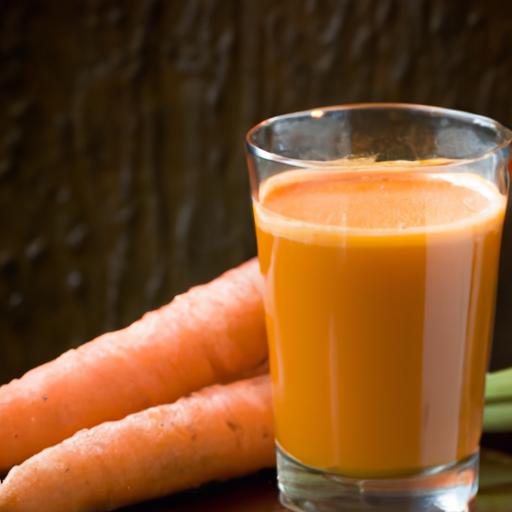





Refreshing, vibrant, and naturally sweet, fresh carrot juice has long been a beloved elixir for health enthusiasts and casual sippers alike. But beneath its sunny orange hue lies a complex nutritional profile that goes beyond just vitamins and minerals. when it comes to counting calories, what exactly are we sipping on in that glass of freshly squeezed carrot juice? This article peels back the layers to explore the calorie content, hidden sugars, and nutrient-packed goodness inside your fresh carrot juice-inviting you to drink in the details as well as the flavor.
Counting Calories: What’s Inside Your Fresh Carrot Juice? is an essential step for anyone eager to make smart and nourishing choices in their daily diet. Beyond the vibrant orange hue and naturally sweet flavor of freshly pressed carrot juice, there lies a nuanced nutritional profile that can impact your caloric intake more than you might expect. Understanding thes details empowers you to enjoy this refreshing elixir while maintaining a balanced approach to your health goals.
Prep and cook Time
Preparation: 10 minutes
Cooking: Not applicable
Total Time: 10 minutes
Yield
Approximately 1 cup (8 fl oz) fresh carrot juice
Difficulty Level
Easy
Ingredients
- 4 large fresh carrots, washed and peeled
- 1/2 cup filtered water (optional, for adjusting consistency)
- 1/2 teaspoon fresh lemon juice (to enhance flavor and preserve freshness)
- Ice cubes (optional, for serving chilled)
Instructions
- Prepare the Carrots: Peel and roughly chop the carrots into pieces that fit your juicer or blender. Freshness is key-choose firm, brightly colored carrots for maximum nutrients and flavor.
- Juicing Process: If using a juicer, feed the carrot pieces through slowly to extract vibrant juice. For a blender, add the chopped carrots and filtered water to help blend smoothly.
- Strain (if blended): Pour the blended mixture through a fine mesh sieve or nut milk bag to separate the pulp from the juice. Press gently to extract every drop of goodness.
- Add Lemon Juice: Stir in fresh lemon juice to brighten the taste and help preserve the juice if not consumed immediately.
- Serve: Pour the fresh carrot juice over ice cubes for a refreshing drink, or enjoy as is for a more concentrated flavor boost.
Chef’s Notes
- Adjust sweetness naturally: If the carrots aren’t sweet enough,add a small apple or a pinch of cinnamon to complement the flavor without adding refined sugars.
- Storage tip: Fresh carrot juice tastes best when consumed within 24 hours and stored in an airtight container in the refrigerator to preserve nutrients.
- Juicing equipment: Masticating juicers tend to retain more nutrients and yield richer flavor compared to centrifugal juicers.
- Variations: For a vitamin C boost, blend in a handful of fresh spinach or parsley, which adds minimal calories but maximizes nutrient density.
Serving Suggestions
- Serve chilled with a garnish of fresh mint leaves or a thin lemon twist to elevate visual appeal and freshness.
- Pair with a light breakfast, such as whole-grain toast with avocado, for a balanced macro intake.
- Combine carrot juice with cucumber and ginger for a refreshing, low-calorie weekday energizer.
| Nutrient | Amount per 1 cup (8 fl oz) | % Daily Value* |
|---|---|---|
| Calories | 94 kcal | 5% |
| Protein | 2 grams | 4% |
| Carbohydrates | 22 grams | 7% |
| Sugars (natural) | 9 grams | – |
| Fat | 0.3 grams | 0% |
| Vitamin A (as beta-carotene) | 106% DV | – |
*Percent Daily Values are based on a 2,000 calorie diet.
How Preparation Methods Influence Calorie Count
When you dive into counting calories: what’s inside your fresh carrot juice? its vital to recognize how preparation methods can drastically affect the final caloric content. For instance,adding water or ice reduces density and calories per serving,while blending carrots with apples or citrus fruits will increase natural sugars,and consequently,calories. Processing time and storage also influence the vitamin content-freshly extracted juice delivers the best nutritional value, while prolonged storage leads to nutrient degradation.
Exploring the Nutritional Profile Beyond Calories
Carrot juice is far from just counting calories: what’s inside your fresh carrot juice? is a rich source of fat-soluble vitamins, particularly vitamin A. This nutrient supports vision, skin health, and immune function. it also contains essential minerals like potassium and antioxidants that combat free radicals. The natural sugars in carrot juice provide quick energy, but balanced consumption ensures you reap the benefits without excess calorie intake. Fiber, mostly lost during juicing, is worth supplementing with whole carrots or fiber-rich foods to maintain digestive health.
Smart Tips for Incorporating Carrot Juice into a Balanced Diet
Integrating fresh carrot juice thoughtfully keeps your daily calorie count optimized while unlocking vibrant health benefits. Begin by replacing sugary beverages with fresh carrot juice for a vitamin-rich alternative. Pair it with protein and healthy fats at meals to slow sugar absorption and keep hunger at bay.Modulate portion sizes-limit to 4-8 ounces daily-to enjoy steady energy without overshooting calorie goals. Experiment with juice blends and savory spice additions like ginger or turmeric for diverse flavors that keep your palate intrigued.

For a deeper dive into vegetable juices, check out our comprehensive guide to vegetable juicing and how it impacts diet quality. To expand your knowledge on vitamin intake and calorie management, visit the USDA ChooseMyPlate website.
Q&A
Counting Calories: What’s Inside your Fresh Carrot Juice?
Q&A Edition
Q1: how many calories are typically in an 8-ounce glass of fresh carrot juice?
A1: An 8-ounce (about 240 ml) glass of fresh carrot juice contains roughly 80 to 90 calories. This calorie count comes mainly from natural sugars and carbohydrates present in the carrots, making it a sweet yet nutritious beverage option.
Q2: What nutrients contribute to the calorie content in carrot juice?
A2: The calories in carrot juice primarily come from natural carbohydrates, including sugars like sucrose, glucose, and fructose. Additionally, small amounts of protein and virtually no fat contribute minimally to the overall calorie count, making it a mostly carb-based energy boost.
Q3: Does carrot juice have fiber, and how does that affect its calories?
A3: Fresh carrot juice contains very little fiber because the juicing process removes much of the fibrous pulp. As fiber is not digested into calories, its removal means the juice delivers more readily absorbable sugars and calories per serving than whole carrots.
Q4: Are there any hidden calories in common carrot juice add-ins?
A4: Yes! Adding ingredients like honey, sugar, or fruit juices can significantly increase the calorie content. Even a teaspoon of honey adds about 20 calories, so it’s good to keep added sweeteners in check if you’re counting calories carefully.
Q5: How does carrot juice’s calorie content compare to that of whole carrots?
A5: Whole carrots have fewer calories per serving because they contain fiber, which adds bulk without digestible calories. For example, a medium raw carrot has about 25 calories, whereas the equivalent volume of juice can be closer to 80 calories since it concentrates natural sugars and removes fiber.
Q6: Can drinking carrot juice help with weight management?
A6: Because carrot juice is relatively low in calories and packed with vitamins like A and C, it can be part of a healthy weight management plan-especially when consumed without added sugars. Just remember, calories do add up, so moderate portions are key.
Q7: What makes carrot juice a healthy calorie source compared to soda or energy drinks?
A7: Unlike sodas or many commercial energy drinks loaded with added sugars and artificial ingredients, fresh carrot juice offers natural sugars along with antioxidants, vitamins, and minerals. This nutritional package means you’re getting calories that fuel your body with beneficial nutrients, not empty energy.
Q8: How can one keep the calories in carrot juice in check while maximizing its benefits?
A8: To balance calories and nutrition, drink fresh carrot juice in moderate quantities (about 4 to 8 ounces), avoid sweeteners, and pair it with fiber-rich snacks or meals. This approach helps maintain steady blood sugar levels and keeps calorie intake reasonable.
Q9: Does the freshness of carrot juice influence its calorie content?
A9: Freshness does not significantly alter calories, but freshly pressed carrot juice retains more vitamins and antioxidants than store-bought varieties, which may be pasteurized and diluted. For pure nutrition and authentic flavor, fresh juice is often best.
Q10: what should you know about portion sizes when enjoying carrot juice?
A10: As carrot juice is calorie-dense compared to whole carrots, it’s wise to stick to smaller servings. Drinking a large glass (12 ounces or more) can quickly add up to 130+ calories,which might affect your daily calorie goals,especially if consumed frequently.
Bonus Tip: Enjoy your carrot juice as a vibrant, nutrient-rich drink that’s both refreshing and energizing-but like all good things, moderation is deliciously wise!
In Retrospect
As you sip that vibrant glass of fresh carrot juice, remember: beneath its sweet, earthy flavor lies a modest calorie count packed with nature’s own nutrients. Counting calories doesn’t have to mean sacrificing flavor or fun-understanding what’s inside your juice empowers you to make mindful choices that nourish both body and soul. So next time you raise your glass, savor the story each calorie tells, and toast to health, one vibrant sip at a time.