




In the realm of chilled delights, Greek yogurt stands as a creamy icon-rich, tangy, and brimming with probiotics that nourish the body and please the palate. But what happens when you find yourself with a surplus or want to extend its shelf life? Can Greek yogurt withstand the icy depths of your freezer without losing its signature texture and flavor? In this article, we’ll venture into the frosty frontier to uncover the truth behind freezing Greek yogurt. Prepare to unlock cold secrets as we explore whether this beloved dairy staple can survive-and even thrive-in subzero conditions.
Understanding the Science Behind Freezing Greek Yogurt: How Freezing Affects Texture, Flavor, and Nutritional Value
Unlocking cold secrets: can you freeze Greek yogurt? This question sparks curiosity for anyone looking to extend the shelf life of this creamy, tangy delight without losing its magic. Greek yogurt’s dense texture and high protein content make it a standout kitchen staple, but freezing it changes more than just its temperature-it transforms its texture, flavor, and even the subtle nutrients it holds.
When Greek yogurt freezes, its moisture forms ice crystals inside, which can cause the once beautifully smooth and thick consistency to become grainy or slightly separated upon thawing. This is because the protein network that traps water in yogurt contracts and loosens, releasing whey.The tangy flavor remains relatively intact, tho it can mellow slightly, making it perfect for certain dishes that embrace a softer yogurt texture.
On the nutrition front, freezing Greek yogurt preserves most of the protein and calcium content, but some delicate probiotics – the friendly bacteria that aid digestion – may lose their potency in sub-zero temperatures. This means that while frozen Greek yogurt remains nutrient-rich, it’s best to enjoy fresh yogurt when you want the full probiotic benefits.
Tips for Freezing Greek Yogurt to Preserve Quality
- Choose plain, full-fat Greek yogurt for the best texture recovery after thawing-fat stabilizes the creamy structure more effectively.
- Freeze in small airtight containers to minimize exposure to air and prevent ice crystal formation that damages texture.
- Allow yogurt to thaw slowly in the refrigerator rather than at room temperature to reduce whey separation and maintain flavor integrity.
- Stir gently after thawing to reincorporate any separated liquid, restoring creaminess before use.
- Avoid refreezing thawed yogurt as repeated freeze-thaw cycles compound texture degradation and nutrient loss.
creative Ways to Use Thawed Greek Yogurt in Recipes
Once thawed, your Greek yogurt might not hold the same spoonable texture, but don’t let that stop you from enjoying it! Use thawed Greek yogurt in recipes where creaminess and tanginess add a fresh burst of flavor without relying on perfect texture:
- Smoothies and shakes: blend thawed Greek yogurt with fresh fruit, honey, and a splash of almond milk for a velvety, protein-packed drink.
- Dips and spreads: Mix with herbs, garlic, and lemon juice to make a refreshing tzatziki or a creamy avocado-yogurt spread for sandwiches.
- Baking: Incorporate thawed Greek yogurt into muffins, pancakes, or cakes to keep baked goods moist and tender.
- Salad dressings: whisk thawed yogurt with olive oil, mustard, and herbs to create light, tangy dressings.
- Marinades: Use the natural acidity in thawed Greek yogurt to tenderize chicken or vegetables before grilling or roasting.
Prep and Cook Time
- Planning: 5 minutes (plus freezing time)
- Cook Time: 0 minutes (thawing recommended overnight)
Yield
Makes about 2 cups of frozen Greek yogurt
Difficulty Level
Easy
Ingredients
- 2 cups plain full-fat Greek yogurt
- Optional mix-ins: 2 tbsp honey or maple syrup,fresh berries,or vanilla extract for added flavor
Instructions
- Prepare the yogurt: If desired,gently fold in sweeteners or flavorings without over-mixing to preserve yogurt’s texture.
- Portion into airtight containers: Divide the yogurt into small to medium-sized freezer-safe containers, leaving about 1/2 inch of headspace.
- Seal tightly: Close containers securely to prevent moisture loss and ice crystal formation during freezing.
- Label and freeze: Mark the date on the containers and place them flat in the freezer for at least 4-6 hours, preferably overnight.
- Thaw properly: Transfer the container to the refrigerator and allow to thaw slowly for 8-12 hours; shaking or stirring occasionally helps recombine whey.
- Use creatively: Enjoy thawed yogurt as is, or incorporate it into smoothies, baked goods, or dips as suggested above.
Chef’s Notes
- Full-fat vs. low-fat yogurt: Full-fat Greek yogurt freezes better; low-fat or nonfat versions tend to become grainier after thawing.
- Probiotics: For maximum live culture benefits, reserve fresh yogurt for direct consumption and use frozen only in cooking or blending.
- Flavor boosters: Add mix-ins after thawing rather than before freezing to keep ingredients fresh.
- Make-ahead tip: Prepare frozen yogurt cubes in an ice cube tray for portion control and easy blending.
Serving Suggestions
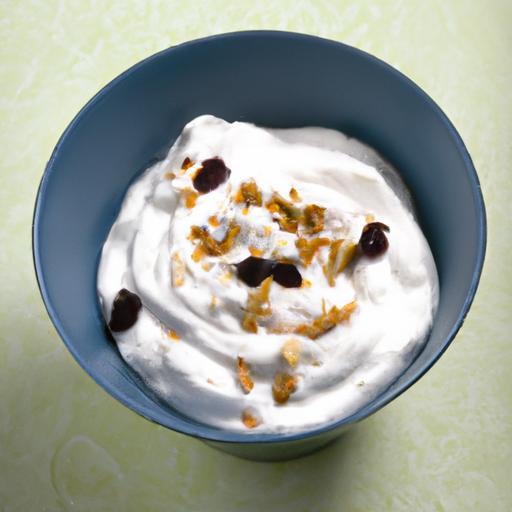
Serve thawed Greek yogurt drizzled with local honey and a sprinkle of toasted nuts for breakfast bowls. Use it as a base for vibrant Mediterranean bowls topped with cucumbers, olives, roasted peppers, and fresh herbs. For a chilled dessert, swirl in fresh berry coulis or sprinkle with cinnamon and dark chocolate shavings to transform thawed yogurt into an elegant treat.

| Nutrient | Per 1/2 Cup (125g) |
|---|---|
| Calories | 90 |
| Protein | 10 g |
| Carbohydrates | 4 g |
| Fat | 5 g |
For deeper insights about probiotic benefits and yogurt freezing science, visit Healthline’s yogurt guide. Also, explore our detailed guide to making Greek yogurt at home to harness the freshest flavors.
Q&A
Unlocking Cold Secrets: Can You Freeze Greek Yogurt?
Q&A Edition
Q1: Can you actually freeze Greek yogurt without ruining it?
A: Absolutely! Greek yogurt can be frozen, but it’s a bit like putting your favourite book in the freezer-not harmful, but it might alter the experience. While freezing doesn’t spoil the yogurt, it can change its creamy texture into something a little more icy and grainy once thawed.
Q2: What happens to the texture of Greek yogurt after freezing?
A: When frozen, the water content in Greek yogurt forms ice crystals. Once thawed, these crystals melt, frequently enough breaking the smooth, velvety consistency and leaving behind a slightly grainier, separated texture. Imagine the difference between a smooth milkshake and a semi-frozen slush-tasty, but different!
Q3: is frozen Greek yogurt still safe to eat after thawing?
A: Yes! Freezing Greek yogurt essentially puts the bacteria into a wintry pause. Once thawed, it remains safe to eat, though it’s best consumed within a couple of days and kept refrigerated to maintain freshness.
Q4: How can you best freeze Greek yogurt to preserve quality?
A: Use airtight containers or heavy-duty freezer bags to avoid freezer burn and off-flavors. Portioning the yogurt before freezing helps with easy thawing, so you only defrost what you need. Also, leave a little breathing room in the container as yogurt expands as it freezes.
Q5: What are some creative ways to use frozen Greek yogurt?
A: Frozen Greek yogurt can become a delightful snack! blend it into smoothies for a creamy chill, whip it into frozen popsicles with fresh fruits for a refreshing treat, or stir it into oatmeal for a cool twist. It’s like turning your kitchen into a mini gelato lab!
Q6: Does freezing affect the nutritional benefits of Greek yogurt?
A: Freezing doesn’t rob Greek yogurt of its superfood status. The protein, probiotics (to an extent), and vitamins mostly stay intact. However, some of the live cultures may be reduced due to freezing stress, but the yogurt remains a nutritious option overall.
Q7: Can you freeze flavored or sweetened Greek yogurt?
A: Yes! Both plain and flavored Greek yogurts freeze well, though flavored versions might have added sugars or ingredients that can shift texture slightly more. just remember that fruit chunks or swirls might separate or become icy after thawing.
Q8: How long can Greek yogurt be stored in the freezer?
A: For optimal taste and texture, aim to freeze Greek yogurt no longer than 2 months. Beyond that, it may still be safe but might suffer greater texture deterioration or develop freezer burn.
Q9: Should you thaw Greek yogurt in the fridge or at room temperature?
A: Thaw it slowly in the refrigerator overnight for the best texture and food safety. Room temperature thawing can speed up melting but increases the risk of bacterial growth. Think of it as giving your yogurt a gentle wake-up call rather than a harsh jolt.
Q10: Any pro tips for reviving thawed Greek yogurt’s creaminess?
A: Give the thawed yogurt a good stir or whisk-this can help reincorporate separated whey and smooth out the texture. For an extra creamy element, try blending it briefly with a splash of milk or almond milk.
Unlock the frozen potential of your Greek yogurt! while it may not be exactly the same after a chilly nap, with a few simple tricks, frozen Greek yogurt can still add delicious flair to your meals and snacks.
Key Takeaways
As we’ve unraveled the chilly mystery of freezing Greek yogurt, it’s clear that this creamy delight can indeed withstand the cold-though with a few texture twists along the way. Whether you’re looking to extend its shelf life, whip up frosty smoothies, or experiment with frozen treats, knowing when and how to freeze Greek yogurt unlocks a new realm of culinary possibilities. So next time your fridge runs low or your craving calls for a cool, tangy snack, don’t hesitate to give your Greek yogurt a winter retreat. After all, even the creamiest secrets deserve a little frost!