


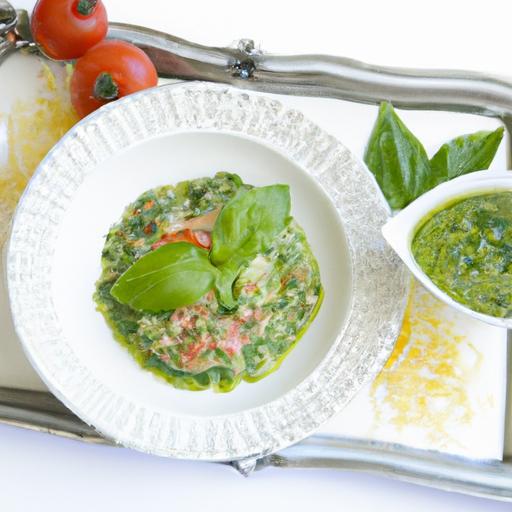
Bright, vibrant, and bursting with flavor, pesto is more than just a sauce-itS a culinary revelation that elevates every dish it graces. Originating from the sun-soaked coasts of Liguria, Italy, this emerald-hued concoction has transcended its humble beginnings to become a beloved staple in kitchens worldwide. But what is it about pesto that commands such devotion? In “Pesto Unveiled: The Green sauce That Transforms Every Dish,” we peel back the layers of this aromatic blend, exploring its rich history, versatile uses, and the magic behind its simple yet powerful ingredients. Whether drizzled over pasta, spread on freshly baked bread, or stirred into soups, pesto’s unmistakable essence promises to awaken your palate and inspire culinary creativity like never before.
Pesto Unveiled: The Green Sauce That Transforms Every Dish is a timeless Italian treasure, rooted in the sun-kissed Ligurian coast of Italy. This vibrant sauce, bursting with fresh basil, pine nuts, garlic, and rich Parmesan, embodies simplicity yet delivers complexity in every bite. Originating from Genoa, pesto was traditionally ground by hand using a mortar and pestle, a process that blends each ingredient’s essence while achieving that signature smooth, yet slightly coarse texture.
The beauty of pesto lies in the harmony of its traditional ingredients, each contributing a unique role. Fresh basil provides the aromatic foundation with its sweet, fragrant notes. Pine nuts add a buttery crunch that contrasts beautifully against the creamy Parmesan cheese, which lends depth and umami. The sharp bite of garlic awakens the palate, while a splash of quality extra virgin olive oil binds everything into a luscious, spoonable sauce. understanding how these components interplay is the key to crafting the perfect pesto texture and balance of flavors, adaptable to diverse palettes-from the traditionalist to the adventurous cook.
Prep and Cook Time
- Planning: 10 minutes
- Cook Time: 0 minutes (no cooking required)
- total Time: 10 minutes
Yield
Makes approximately 1 cup – serves 4 as a sauce for pasta or spread.
Difficulty Level
Easy
Ingredients
- 2 cups fresh basil leaves, tightly packed, washed and dried
- 1/3 cup pine nuts, toasted lightly for enhanced flavor
- 2 cloves garlic, peeled and roughly chopped
- 1/2 cup freshly grated Parmesan cheese
- 1/2 cup extra virgin olive oil, cold-pressed
- 1/4 teaspoon fine sea salt, adjust to taste
- Freshly ground black pepper, to taste
- Optional: a squeeze of fresh lemon juice to brighten flavors
Instructions
- Toast the pine nuts: In a dry skillet over medium heat, toast the pine nuts for 2-3 minutes until warm and golden. Stir constantly to prevent burning. Remove from heat and let cool entirely.
- Prepare the basil: Gently pat the basil leaves dry with a kitchen towel to avoid watery pesto. Excess moisture dilutes flavor and affects texture.
- Combine garlic and pine nuts: In a food processor or traditional mortar, pulse the garlic and pine nuts until they form a coarse paste, releasing their natural oils and aromas.
- Add basil and salt: Add the basil leaves and sea salt. Pulse briefly to combine, scraping down the sides as needed. aim for a finely chopped texture without pureeing into a paste.
- Incorporate cheese: Add Parmesan cheese and pulse again, blending gently to marry flavors but maintain a bit of texture.
- Stream in olive oil: While the processor is running, slowly drizzle olive oil into the mixture until the pesto reaches a smooth, spoonable consistency. If using a mortar and pestle, slowly whisk in the oil as you grind for the perfect emulsification.
- Season and finish: Taste and adjust seasoning with additional salt, pepper, and optional lemon juice for brightness. The pesto should be vibrant,balanced,and luscious.
- Store or serve: Use instantly, or transfer to an airtight container, covering the surface with a thin layer of olive oil to preserve color and freshness.Refrigerate for up to 3 days or freeze for longer storage.
Tips for Success
- Always use the freshest, highest-quality basil and olive oil for maximum flavor and vibrant green color.
- To avoid bitterness, remove any thick basil stems before blending.
- Pine nuts can be substituted with walnuts or almonds for a different but equally delicious twist.
- If pesto appears to thick, thin it with a little water or additional olive oil until desired texture.
- Avoid over-processing – stop as soon as ingredients are just combined to maintain a pleasing texture.
- Make extra pesto and freeze it in ice cube trays for convenient portioned sauces to brighten future meals.
Serving Suggestions
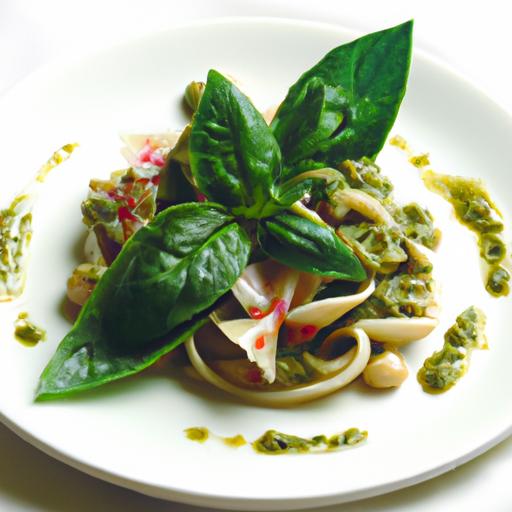
Pesto shines brilliantly tossed into al dente pasta,crowned with a sprinkle of extra Parmesan and a few fresh basil leaves. It elevates grilled vegetables,roasted chicken,and even fresh mozzarella or ripe tomatoes for a speedy bruschetta topping. For an elevated presentation,drizzle with aged balsamic vinegar or a few toasted pine nuts for textural contrast. Its versatility means pesto also pairs beautifully with seafood or as a vibrant spread on crusty artisan bread.

| Nutrient | Per Serving (2 tbsp) |
|---|---|
| Calories | 90 |
| Protein | 2g |
| Carbohydrates | 1g |
| Fat | 9g |
For a deeper dive into Italian sauces that complement pesto perfectly, don’t miss our article on Classic Italian Sauces: From Marinara to Bechamel. Curious about the health benefits of basil and olive oil? Explore the comprehensive overview at Healthline’s guide to basil nutrition.
Q&A
Q&A: Pesto Unveiled – The Green Sauce That Transforms Every Dish
Q1: What exactly is pesto, and where does it come from?
A: Pesto is a vibrant green sauce that originated in the Liguria region of northern Italy, specifically from the city of Genoa.Its name comes from the Italian word “pestare,” meaning to pound or crush,which harks back to the traditional method of grinding basil,garlic,pine nuts,Parmesan cheese,and olive oil together using a mortar and pestle. This rich, aromatic sauce has delighted taste buds for centuries, celebrated for its fresh, herbaceous punch.
Q2: What makes pesto stand out from other sauces?
A: Unlike heavier, cooked sauces, pesto is uncooked, maintaining the bright, fresh flavors of its ingredients. Its emerald-green color is a feast for the eyes, while its balance of nutty, cheesy, garlicky, and peppery notes turns any simple dish into something extraordinary. The raw ingredients and cold preparation preserve the natural oils and aromas, delivering an intensely fragrant and flavorful experience.
Q3: Can pesto be made with ingredients other than basil?
A: Absolutely! While classic Genovese pesto uses fresh basil, culinary creativity has given rise to many delightful variations. Think sun-dried tomato pesto (pesto rosso), rocket (arugula) pesto, kale pesto, or even pistachio pesto. Some versions swap pine nuts for walnuts, almonds, or cashews, each altering the texture and taste slightly while keeping that signature pesto charm.
Q4: How can pesto transform everyday meals?
A: Pesto is a culinary chameleon. Toss it with pasta for an instant Italian feast, spread it on crusty bread for a gourmet snack, dollop it atop grilled vegetables or chicken for a flavor boost, or swirl it into soups for added depth.Its versatility means it can enliven even the most mundane ingredients, turning humble dishes into vibrant, aromatic sensations.
Q5: What’s the best way to store pesto to keep it fresh?
A: Pesto is best enjoyed fresh, but it keeps well refrigerated for up to a week when stored in an airtight container. To prevent oxidation and maintain that gorgeous green hue, drizzle a thin layer of olive oil on top before sealing. For longer storage, pesto freezes beautifully-ice cube trays are perfect for portioning; just thaw as needed.
Q6: Is pesto healthy?
A: Yes! Pesto is packed with nutritious ingredients-fresh basil offers antioxidants, garlic provides immune support, pine nuts supply healthy fats, and olive oil is a heart-healthy monounsaturated fat. It’s a flavorful way to add good nutrients to your diet without relying on heavy creams or butter.
Q7: Any tips for making perfect homemade pesto?
A: Use the freshest basil you can find, and don’t skimp on quality Parmesan and extra virgin olive oil-the flavor depends on these stars! Toast the nuts lightly for a richer taste, but be careful not to burn them. Use a food processor for convenience, but if you want to honor tradition and release maximum aroma, try pounding the ingredients by hand-it’s a labor of love that’s well worth it.
Pesto is more than just a sauce-it’s a party of fresh ingredients and simple technique that awakens the palate in every bite. Whether you stick to tradition or experiment boldly, this green marvel has the power to transform your cooking in deliciously unexpected ways.
Closing Remarks
As we close the jar on our journey through pesto’s vibrant world, it’s clear that this humble green sauce is much more than just a topping-it’s a timeless culinary alchemy that breathes life into every dish it graces. From the sun-soaked hills of Liguria to your own kitchen counter, pesto carries with it a legacy of bold flavors and effortless elegance. Whether drizzled over pasta, swirled into soups, or dolloped onto fresh bread, its verdant charm continues to transform simple ingredients into unforgettable meals. So next time you’re looking to awaken your palate, remember: a spoonful of pesto is not just a sauce-it’s a celebration of nature’s freshest gifts and a green spark of inspiration for your cooking adventures.