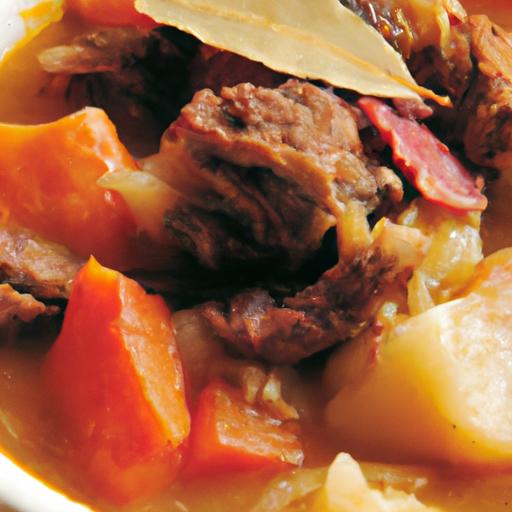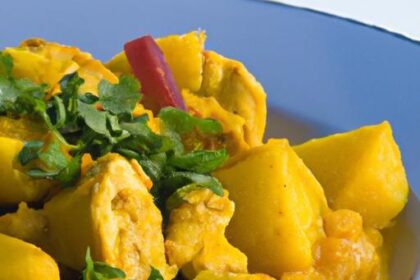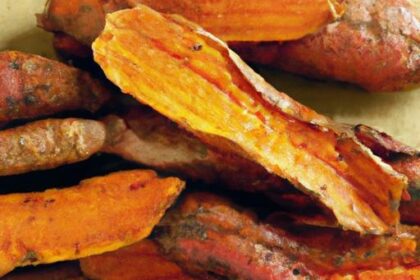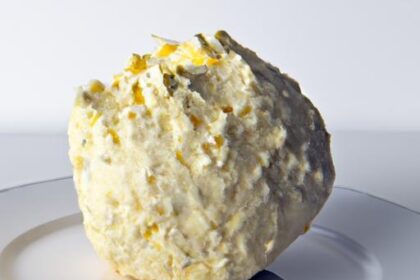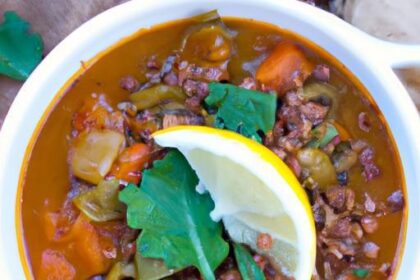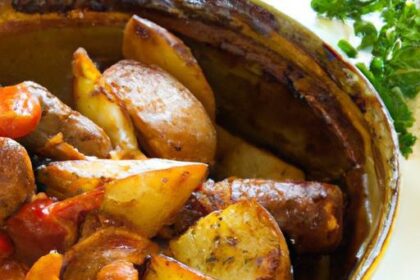



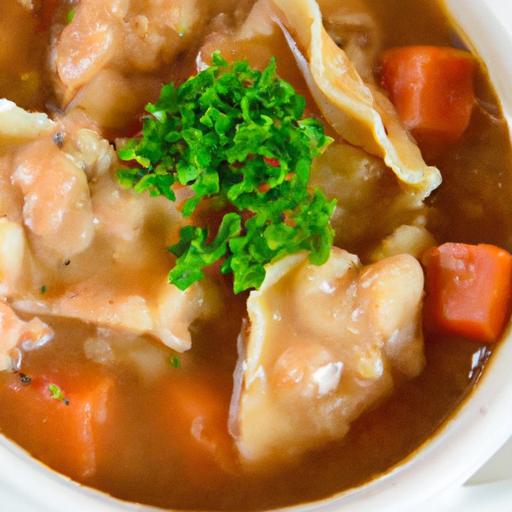
In the heart of Hungary’s vibrant culinary tradition lies a dish as rich in history as it is in flavor: Hungarian goulash. More then just a stew, this hearty blend of tender beef, smoky paprika, and fragrant vegetables tells a story of rustic comfort and cultural pride. When paired with pillowy dumplings, each bite becomes a celebration of warmth and satisfaction, inviting you too savor a timeless recipe that has nourished generations. Join us as we explore the origins, ingredients, and irresistible appeal of this beloved dish-Hungarian goulash with dumplings-a true taste of Central European soul food.
Discovering the Rich History and flavorful Craft Behind Hungarian Goulash
Savoring Hungarian Goulash: A Hearty Dish with Dumplings connects us not only to a beloved Hungarian tradition but also to centuries of culinary heritage steeped in rustic, comforting flavors. This iconic stew, originally a humble meal of Hungarian herdsmen (csikós) simmering meat and spices over open fires, has evolved into an emblem of warmth and hospitality. with paprika at its heart-a vibrant spice introduced to Hungary in the 16th century-goulash captures the very soul of the Hungarian countryside.
My first encounter with goulash was during an autumn family gathering in Budapest, where every spoonful revealed layers of tender beef, smoky paprika, and a subtle hint of caraway. The addition of soft, pillowy dumplings transforms this hearty stew into a complete, soul-satisfying meal, perfect for sharing on a cool evening.
Prep and Cook Time
- Planning: 25 minutes
- Cooking: 2 hours 15 minutes
- Total Time: 2 hours 40 minutes
Yield
- Serves 6 generous portions
Difficulty Level
- Medium – perfect for adventurous home cooks ready to master customary spice blending and dough shaping
Ingredients
- For the Hungarian Goulash:
- 2 lbs beef chuck, cut into 1.5-inch cubes
- 2 tbsp lard or vegetable oil
- 2 large onions, finely chopped
- 3 garlic cloves, minced
- 2 tbsp Hungarian sweet paprika (preferably freshly ground)
- 1 tsp hot paprika (optional, for a spicy kick)
- 1 tsp caraway seeds, lightly crushed
- 2 medium tomatoes, peeled and chopped (or 1 cup canned diced tomatoes)
- 1 red bell pepper, diced
- 4 cups beef broth
- Salt and freshly ground black pepper, to taste
- 1 bay leaf
- 2 tbsp all-purpose flour (optional, for thickening)
- For the Traditional hungarian Dumplings (Nokedli):
- 2 cups all-purpose flour, sifted
- 2 large eggs
- ¾ cup water (adjust as needed for consistency)
- ½ tsp salt
Instructions
- Prepare the goulash base: Heat lard or oil in a heavy-bottomed pot over medium heat. Add chopped onions and sauté until golden brown, about 8-10 minutes, stirring often to prevent burning.
- Add garlic and spices: Stir in minced garlic, Hungarian sweet paprika, hot paprika (if using), and caraway seeds immediately off the heat. This step ensures the paprika doesn’t burn, releasing its aromatic oils and vibrant color.
- brown the beef: Return the pot to medium-high heat and add beef cubes. Sear the meat until thoroughly browned on all sides-about 5-7 minutes-to lock in flavor and juices.
- Incorporate vegetables: Add diced tomatoes and red bell pepper, stirring to combine. Cook for an additional 5 minutes to let the flavors meld.
- Simmer low and slow: pour in beef broth and add the bay leaf. Bring to a gentle boil, then reduce heat to low.Cover partially and simmer for 2 hours, stirring occasionally, until the meat is incredibly tender.
- Optional thickening: If you prefer a thicker sauce, mix 2 tablespoons of flour with a bit of cold water to form a slurry. Stir this into the goulash and simmer uncovered for another 10 minutes until thickened.
- Make the dumplings: in a mixing bowl, whisk together flour and salt. Lightly beat eggs with water, then gradually add the wet mix to the flour until the batter reaches a thick, slightly sticky consistency.
- cook dumplings: Bring a large pot of salted water to a boil. Using a small dumpling maker or a colander slotted with large holes, press batter into the water in small lumps. Cook for 2-3 minutes, until dumplings float to the surface. Remove with a slotted spoon and drain.
- Serve immediately: Spoon generous portions of goulash into bowls and nestle a handful of hot dumplings alongside. Garnish with freshly chopped parsley or a dollop of sour cream for a luscious finish.
Tips for Success
- Choose the right cut: Opt for well-marbled beef chuck for maximum tenderness and depth of flavor after slow cooking.
- Fresh paprika is key: Store paprika in a cool, dark place and avoid heat during cooking to maintain its rich red hue and robust aroma.
- Adjust spice levels: Start with mild paprika and add hot paprika cautiously, adjusting to your taste.
- dumplings texture: Batter should be thick but easy to press through dumpling makers. Add water or flour gradually as needed.
- Make ahead tip: goulash flavors deepen when refrigerated overnight. Dumplings are best served freshly made but can be gently reheated steamed or sautéed in butter.
Serving Suggestions
Serve goulash steaming hot in rustic ceramic bowls for an authentic presentation. Complement with a crisp green cabbage salad dressed in vinegar and caraway seeds to cut through the richness. A slice of hearty rye bread or freshly baked pretzels make perfect accompaniments. Pair with a bold red wine, like a Hungarian Egri Bikavér (Bull’s Blood) or a dry Kadarka, to elevate the meal further.
| Nutrient | Per Serving |
|---|---|
| Calories | 480 kcal |
| Protein | 38 g |
| Carbohydrates | 38 g |
| Fat | 18 g |

For those eager to further explore traditional Hungarian cuisine, check out our detailed Paprikash Chicken recipe, a perfect companion to warm your table. To understand more about paprika’s cultural journey, the Encyclopaedia Britannica on Paprika offers an excellent deep dive.
Q&A
Q&A: Savoring Hungarian Goulash – A Hearty Dish with Dumplings
Q1: What exactly is Hungarian goulash?
A1: Hungarian goulash is a beloved traditional stew that hails from Hungary,often described as the soul food of Central europe. At its heart, it’s a rich, comforting blend of tender beef, smoky paprika, onions, and a symphony of spices simmered slowly to create a deeply flavorful, aromatic broth. Unlike the thick, creamy stews found elsewhere, authentic goulash strikes a perfect balance between a stew and a soup, boasting a vibrant red hue thanks to generous amounts of Hungarian paprika.
Q2: What makes Hungarian goulash different from other stews?
A2: The magic of Hungarian goulash lies in its distinct seasoning and texture. While many stews rely heavily on tomatoes or cream,goulash’s character comes predominantly from Hungarian paprika-a spice with sweet,smoky,and slightly peppery notes.It’s traditionally a simple, rustic dish where the quality of basic ingredients shines through. Slow cooking allows the beef to become incredibly tender while infusing the broth with deep complexity.Q3: Why are dumplings such an essential accompaniment?
A3: Dumplings, often called nokedli or galuska in Hungary, are small, soft, buttery, and pillowy dough morsels that beautifully soak up the goulash’s luscious sauce. They’re the perfect foil to the hearty stew, adding a subtle chew and familiar comfort. Because goulash’s broth isn’t overly thick, these dumplings act like sponges, capturing every precious drop of flavor and making each bite satisfyingly complete.
Q4: How is Hungarian goulash traditionally prepared?
A4: The preparation begins with sautéing a generous amount of onions until golden, then adding diced beef and a good heap of sweet paprika to coat the meat thoroughly. Carrots, potatoes, and sometimes tomatoes may join the party, though simplicity is key. The stew is then slowly simmered for hours to let flavors meld and the meat to become tender. The dumplings are made from a simple batter of flour, eggs, and water or milk, dropped into boiling water and cooked until fluffy before being served alongside or underneath the goulash.
Q5: Can Hungarian goulash be customized for modern tastes?
A5: Absolutely! While purists cherish the classic recipe,modern cooks often experiment by adding ingredients like garlic,bell peppers,or even a dollop of sour cream to enrich the dish. Vegetarian versions replace beef with mushrooms or lentils, and gluten-free dumplings made from choice flours have become popular. Nonetheless of tweaks, the heartwarming essence of goulash-its rich paprika flavor and comforting warmth-remains unchanged.
Q6: What makes savoring hungarian goulash a memorable culinary experience?
A6: eating Hungarian goulash is like embracing a story steeped in history and tradition. Each spoonful offers a dance of smoky, savory, and slightly sweet notes, wrapped in tender meat and the aromatic embrace of spices.Paired with soft dumplings, it becomes more than a meal-it’s an invitation to slow down, indulge, and connect with Hungary’s rich cultural tapestry through food. Whether enjoyed on a chilly evening by a crackling fire or at a bustling family table, goulash transcends sustenance, evoking warmth, comfort, and a sense of belonging.
In Summary
as the last spoonful of rich,paprika-infused broth warms your palate and the tender dumplings melt away,Hungarian goulash reveals itself as more than just a meal-it’s a celebration of tradition,culture,and comfort. This hearty dish invites you to slow down, savor each bite, and appreciate the layers of history simmered into every pot. Whether enjoyed in a bustling Budapest tavern or your own kitchen, goulash with dumplings remains a timeless reminder that some flavors are meant to be cherished, shared, and passed down through generations. So next time the chill sets in or the appetite calls for something soul-satisfying, let this iconic stew be your delicious invitation to experience Hungary’s rich culinary heart.