
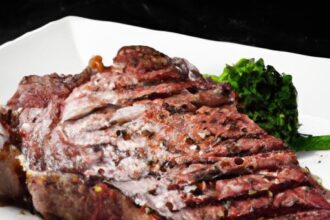



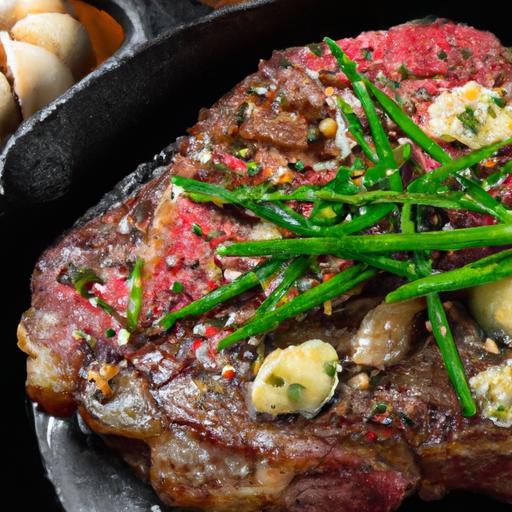
There’s something undeniably magnetic about the sizzle of a steak hitting a scorching hot surface-the promise of a perfectly seared crust that locks in juices, flavor, and all the delicious nuances of a quality cut. In the world of home cooking, few tools rival the cast iron skillet when it comes to achieving that sought-after steakhouse finish. With its unparalleled heat retention and ability to create an impeccable sear, the cast iron skillet transforms a humble piece of meat into a culinary masterpiece. In this article, we’ll explore the art and science behind searing steak to perfection, unlocking tips and techniques that elevate your cast iron cooking from good to unforgettable. Prepare to dive into a sizzling journey where every steak-loving enthusiast can harness the power of cast iron – and master the mouthwatering magic of searing perfection.
Searing Perfection: Mastering Steak in a cast Iron Skillet
searing perfection in a cast iron skillet transforms a simple steak into an extraordinary culinary experience. Crafting that perfect crust and tender interior demands selecting the right cut, preparing your meat meticulously, mastering temperature control, and employing precise finishing touches.Weather you’re a seasoned chef or an eager home cook, this guide will embolden you to unlock the full flavor and tenderness of your steak.
Prep and Cook Time
- Planning: 15 minutes
- Cooking: 12-15 minutes
- Total Time: 30 minutes
Yield
Serves 2 steak lovers generously
Difficulty Level
Medium – Perfect for cooks comfortable with stovetop techniques but new to cast iron mastery
Ingredients
- 2 (1 to 1½ inch thick) ribeye or New York strip steaks, well-marbled, preferably USDA Prime or Choice
- 1 tbsp kosher salt or sea salt
- 1 tsp freshly cracked black pepper
- 2 tbsp high smoke point oil (grapeseed or avocado oil recommended)
- 3 tbsp unsalted butter
- 3 cloves garlic, smashed with skin on
- 3 sprigs fresh thyme or rosemary
Instructions
- Choose and prep your steak: Select cuts with rich marbling like ribeye or New York strip for ideal cast iron cooking. Thoroughly pat dry with paper towels-moisture is the enemy of a perfect sear.
- Season generously: Just before cooking, evenly coat both sides of the steak with kosher salt and cracked black pepper. Salt draws moisture initially but helps form a savory crust once seared.
- Preheat your cast iron skillet: Place the pan over medium-high heat for 5 minutes until it is indeed piping hot but not smoking. A properly heated skillet ensures the steak sizzles on contact, locking in juices.
- Add oil and sear: Drizzle the high smoke point oil and swirl to coat. Lay each steak away from you into the skillet. Resist moving the meat during the first 3-4 minutes to develop a deep brown crust.
- Flip and add aromatics: Turn steaks carefully using tongs, than add butter, garlic cloves, and herbs. Tilt the skillet slightly and spoon the melted butter over the steaks continuously-this bastes and infuses them with flavor.
- Monitor internal temperature: Use an instant-read thermometer to achieve desired doneness: 125°F for rare, 135°F for medium-rare, or 145°F for medium. This precision is pivotal for searing perfection.
- Rest the steak: transfer steaks to a warm plate or cutting board and tent loosely with foil for 5-7 minutes to redistribute juices, ensuring remarkable tenderness with every bite.
Tips for Success: Elevating Searing Perfection
- Room temperature meat: Allow your steak to rest at room temperature for 30 minutes before cooking to promote even doneness.
- Dry it thoroughly: Excess moisture steams rather than sears. For a flawless crust, re-pat dry if necessary just before seasoning.
- oil choice matters: Use oils with a smoke point above 400°F to prevent smoke and off-flavors.
- Don’t overcrowd the pan: Cook in batches if needed; overcrowding lowers the temperature, compromising crust advancement.
- Master the thermometer: Insert into the thickest part of the steak, avoiding the bone or fat for accurate temperature reading.
- Make-ahead tip: Season steaks and refrigerate uncovered for 1 to 2 hours to dry brine, enhancing flavor and texture.
Serving Suggestions
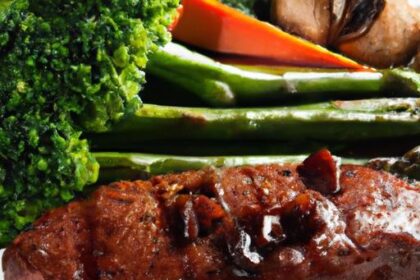
Serve your perfectly seared steak on a warm plate to keep heat locked in. Garnish with freshly chopped parsley or thyme sprigs for a pop of color. Complement with a garlic herb butter dollop or drizzle of pan jus created from the basting butter and herbs. Pair alongside rustic roasted vegetables, buttery mashed potatoes, or a crisp arugula salad dressed with lemon vinaigrette for balanced flavor and texture harmony.

| Nutrient | Amount per Serving |
|---|---|
| Calories | 550 |
| Protein | 48g |
| Carbohydrates | 1g |
| Fat | 40g |
For more in-depth tips on cast iron care and recipe inspiration, explore our comprehensive guide. For scientific insights into the Maillard reaction that creates the steak’s crust, visit Science of Cooking.
Q&A
Q&A: Searing Perfection - Mastering Steak in a Cast Iron Skillet
Q1: Why is a cast iron skillet the ultimate tool for cooking steak?
A: Cast iron skillets are the secret weapon in any steak lover’s arsenal. Their heavy construction retains and distributes heat evenly, creating that coveted, restaurant-quality sear. This intense, consistent heat caramelizes the steak’s surface, locking in juices and flavor, which you simply can’t replicate with flimsy pans.
Q2: What’s the science behind the perfect sear?
A: The magic happens through the Maillard reaction-a chemical dance between amino acids and sugars when exposed to high heat.This process paints the steak with a rich, brown crust and layers of complex, savory flavor. A scorching cast iron skillet is the perfect stage for this transformation.
Q3: How do I prepare my steak before it hits the skillet?
A: Start by bringing your steak to room temperature; this ensures even cooking. Pat it dry with paper towels to remove excess moisture-moisture is the enemy of a good sear! Season generously with salt (and pepper, if you like), but keep it simple. Sometimes, less truly is more when it comes to seasoning.
Q4: How hot should the skillet be?
A: The skillet needs to be a blazing hot beast. Preheat it over medium-high to high heat for several minutes until it’s smoking slightly. this intensity is what carves that perfect crust. Just be mindful: too hot, and you risk burning before the inside cooks; too cool, and you get a sad, soggy steak.
Q5: Should I use oil or butter, and when to add them?
A: Use a high smoke point oil-think avocado or grapeseed oil-to initially coat the pan. Butter is best reserved for basting near the finish, adding rich flavor without burning. Dropping in butter along with aromatics like garlic and thyme gives your steak a luscious, fragrant glaze as you baste.
Q6: how long should I cook the steak for the perfect doneness?
A: Timing varies by thickness and desired doneness, but as a rule: Sear each side for 2-3 minutes for rare, up to 4-5 minutes for medium. Use an instant-read thermometer to be precise-125°F for rare,135°F for medium-rare,145°F for medium. Remember, carryover cooking after resting will raise it a few degrees.
Q7: Why is resting the steak vital after cooking?
A: Patience pays off. Resting allows the juices, pushed toward the center during cooking, to redistribute throughout the meat.Slice in immediately, and those precious juices spill onto your cutting board instead of your plate. Ten minutes wrapped loosely in foil is all you need.
Q8: Any tips for added flavor or presentation?
A: Absolutely! Finish with a sprinkle of flaky sea salt or a dab of herb butter for that gourmet touch. Pair your masterpiece with roasted garlic, caramelized onions, or a bold chimichurri sauce. And remember, a simple, clean grain cut against the muscle fibers reveals the steak’s tender heart.
Mastering the cast iron skillet steak is a dance of heat, timing, and technique-but the reward? A home-cooked steak that rivals your favorite steakhouse. Ready to ignite your skillet and sear your way to perfection?
Key Takeaways
As the final sizzle fades and you lift that perfectly seared steak from your cast iron skillet, you’re not just serving a meal-you’re sharing a story of patience, technique, and passion. Mastering the art of searing is more than just a cooking skill; it’s an invitation to savor the alchemy of heat and flavor, where every crusted edge and juicy interior tells a tale of culinary triumph. So, next time you reach for that skillet, remember: perfection isn’t just achieved-it’s earned, one sizzling steak at a time.